
Travelling mostly solo in my 40s has taken me through busy cities, unfamiliar neighbourhoods and countries where I didn’t always know what to expect. I haven’t felt perfectly comfortable everywhere, and I don’t think pretending otherwise helps anyone. What has helped is learning the difference between being prepared and being afraid, along with a few small habits that make it easier to enjoy the world on my own terms.
People ask me about safety surprisingly often. Sometimes the question comes from genuine curiosity, and sometimes there’s a look that suggests they expect me to confess I’m being reckless. A woman travelling around the world mostly by herself, in her 40s, without somebody beside her to make decisions or watch her back? Apparently, that’s enough to set off a few alarm bells.
I understand the concern. I’ve raised a family, built a career and spent plenty of years being the person responsible for everybody else’s well-being. I know perfectly well that bad things happen, and I’m not interested in pretending a plane ticket makes me immune to them. But I also know what it feels like to spend so much time thinking about obligations and risks that there’s very little room left for curiosity.
Since beginning this chapter of full-time travel, I’ve visited places that made me feel wonderfully at ease and others where I paid much closer attention to my surroundings. I’ve been nervous before arriving in a country and discovered real kindness after getting there. I’ve also learned that an extraordinary destination can be worth visiting without being somewhere I’d describe as entirely comfortable.
The lesson hasn’t been to ignore my instincts or to believe that every warning is exaggerated. It’s been to stop treating safety as a choice between staying home and being completely fearless. There is a lot of sensible, ordinary preparation in the middle, and that’s where I try to live.
One of the more unhelpful things we tell women is that they need to become fearless before they can do something independently. It sounds inspiring, but it doesn’t reflect how real life works. I can be excited about a destination and nervous about arriving there at the same time, and one feeling doesn’t cancel out the other.
I’ve travelled through almost thirty countries in the past year, navigating different languages, transportation systems and social expectations. That experience has made some things easier, but it hasn’t turned me into somebody who automatically feels comfortable in every situation. I still research where I’m going, ask questions and change plans when something doesn’t feel right.
What I try to separate is a genuine concern from the noise that sometimes surrounds a destination. A place can have legitimate safety considerations without every street being dangerous, and it can be beautiful and welcoming without every situation being risk-free. I want reliable information, not a collection of dramatic anecdotes that makes a whole country sound like one big warning sign.
I also don’t believe that a stranger being quiet, direct or unfamiliar with my way of communicating is automatically a threat. Cultural differences are part of travelling, and I’d rather approach them with curiosity while keeping sensible boundaries. That’s very different from dismissing behaviour that makes me uncomfortable.
Most of the safety decisions that make a difference to my trip happen long before I’m standing on a busy street with my suitcase. I look at the location of my accommodation, not just the photographs of the room. An attractive property at a low price isn’t necessarily good value if getting there involves an awkward journey or if I won’t feel comfortable returning after dinner.
I read recent reviews and pay particular attention to comments from women travelling alone. I want to know whether the area feels manageable, how check-in works, whether staff are accessible and whether travellers have mentioned problems with the building or surrounding streets. That doesn’t mean a property needs to be luxurious. It means I want it to function as a reliable base.
I also think carefully about my arrival. If I’m landing late, exhausted and unfamiliar with the language, I don’t automatically choose the most complicated transportation option because it saves a few dollars. Sometimes a prearranged transfer or reputable ride-hailing service is worth the additional cost, especially when it removes the pressure of figuring everything out in the middle of the night.
Before I leave, I save my accommodation address, arrival instructions and important booking details somewhere I can access offline. I check how I expect to get there, keep the name and address available in the local language where useful, and make sure somebody I trust knows my general plans. It’s not a particularly glamorous part of travel, but neither is standing outside an airport with a dead phone and absolutely no idea where your hotel is.
Related read: How to Plan Your First Solo Trip: A Practical Step-by-Step Guide →
Over time I’ve developed a collection of little habits that aren’t especially dramatic, but they make me feel more organized and less distracted when I’m out exploring. They’re not guarantees of safety, and I wouldn’t recommend treating any accessory or routine as a substitute for awareness. They’re simply the things that work for me.
I keep my phone attached to a wrist strap when I’m using it out in public. Phones are essential for navigation, translation, booking and communication, so I don’t want to be careless with something I rely on so heavily. A strap won’t eliminate every risk, but it gives me a little more control when I’m looking at maps or taking photographs in a busy area.
I also sometimes use a small ribbon to help secure the zipper on my purse. It’s a simple extra step that makes the bag a little less convenient to open without my noticing. It’s not a lock, and I wouldn’t describe it as theft-proof. I still pay attention to where my bag is, especially in crowds and on public transportation.
Sharing my live location with somebody I trust is another habit I’ve adopted. It’s reassuring to know that a friend or family member can see where I am when that makes sense, particularly on longer travel days or in unfamiliar places. That’s very different from posting my exact location publicly while I’m still there; I recommend being thoughtful about what information you share in real time with a wider audience.
I keep access to essential information separate from my phone whenever practical. Having offline directions, a backup way to pay and copies of important details means a technical problem doesn’t immediately become a major travel problem. I don’t want one misplaced device or failed connection to leave me without any options.

I use mobile data for so much more than social media. My phone helps me navigate, compare transportation, translate a menu, contact accommodation and check information when plans change. Having dependable connectivity makes those everyday decisions easier, especially when I’m travelling on my own.
Before arriving somewhere new, I check whether my mobile plan or eSIM will work, download an offline map and save essential addresses. I don’t assume that an airport, café or hotel will always have usable Wi-Fi exactly when I need it. Nor do I want to depend entirely on a connection that might fail at an inconvenient moment.
Stay connected: Holafly eSIM →
Staying connected is useful, but I don’t confuse being reachable with being fully protected. A working phone doesn’t replace checking my surroundings, choosing appropriate transportation or listening when my instincts tell me to leave a situation. It’s one part of a larger routine that helps me travel with fewer unnecessary complications.
Egypt is a good example of why I resist describing destinations in simple terms. I was genuinely nervous before visiting. I’d heard plenty of opinions about what travelling there might be like as a woman, and I didn’t arrive feeling entirely relaxed about the experience.
I joined a ten-day guided journey that took me from Cairo and the pyramids to other parts of Egypt, including the Nile Valley and the Red Sea. Having an organized itinerary, local guides and shared transportation helped me experience places I had wanted to see for years without having to solve every logistical problem myself. It was a choice that suited the circumstances, not an admission that I was somehow failing at solo travel.
I saw extraordinary historical sites, experienced different aspects of Egyptian culture and met people who made the journey memorable. I also had moments when I felt uncomfortable and remained conscious of my surroundings. I wouldn’t rewrite those feelings out of the story to make the destination sound easier than it was, and I wouldn’t dismiss the memorable experiences simply because some situations were challenging.
Both things can be true. A trip can be rewarding and occasionally unsettling, and being honest about that is more useful than declaring a whole country either perfectly safe or impossible to visit. My experience was one person’s journey under particular circumstances. Somebody else’s experience may be different, and it’s important to research current local conditions before making your own decision.
Related read: Cairo for First-Time Visitors: Pyramids, Food, Chaos + What I Wish I’d Known →

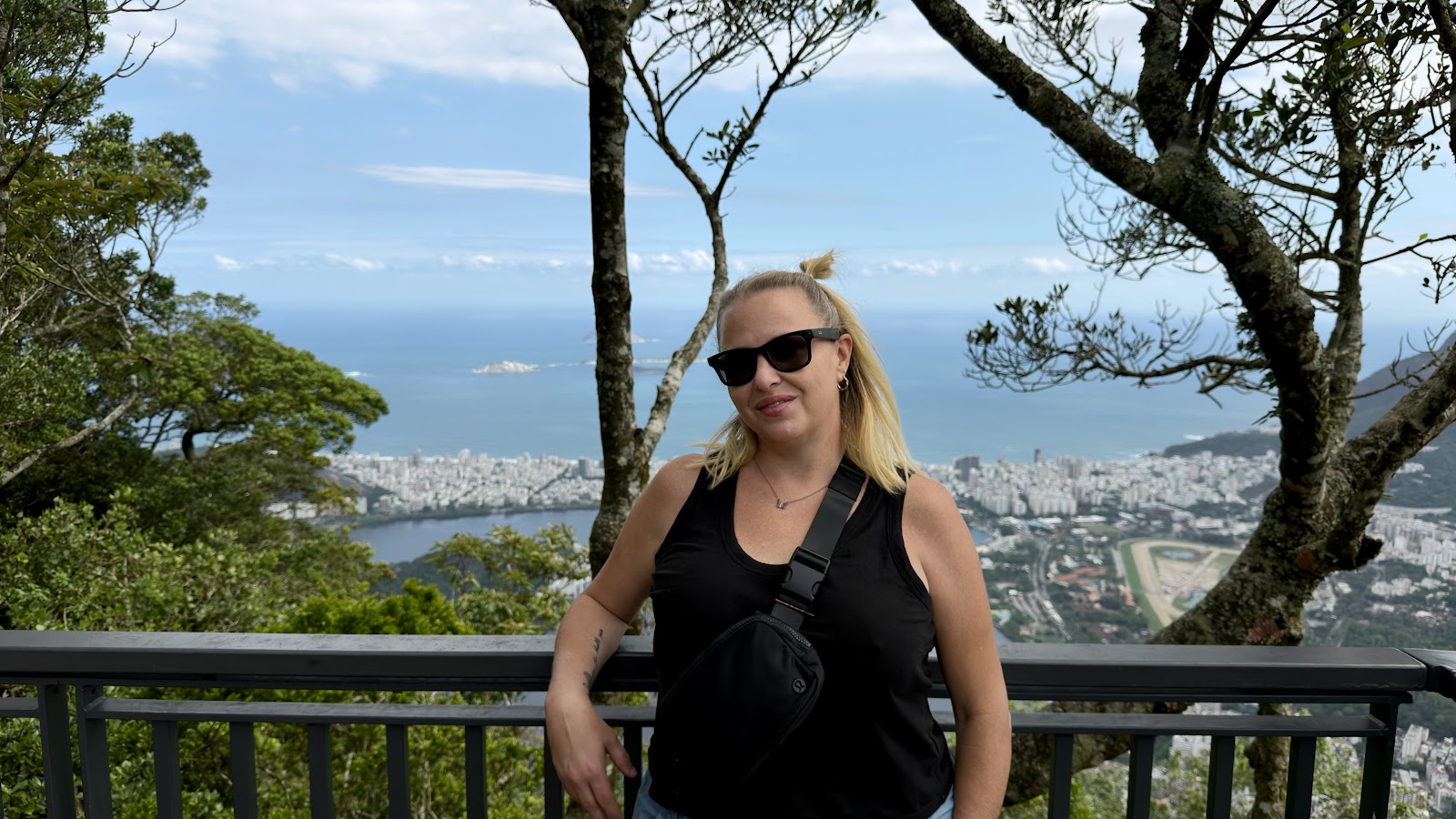
Rio de Janeiro is another place I think about when people ask whether I feel safe while travelling. It’s a city with extraordinary scenery and culture, and it’s also somewhere I take local safety advice seriously. I can appreciate the beauty of a destination without treating the views as permission to switch off my judgment.
When I’m exploring an unfamiliar area, I think about the route rather than just the endpoint. I consider the time of day, whether the streets seem appropriate for walking and whether arranging transportation would be a better choice. I don’t insist on walking somewhere simply because the map suggests it isn’t far. A short distance and a comfortable route are not always the same thing.
I also try not to generalize about everyone I meet or every neighbourhood I pass through. Rio, like other major cities, is complex. The sensible response is to pay attention to current, area-specific information and the advice of trustworthy local sources, rather than assuming one experience tells me everything about the place.
Travelling has made me less interested in proving how fearless I am and more interested in making decisions that let me enjoy a destination. If I choose a car instead of walking, change my route or decide an activity isn’t right for me, I don’t view that as a failure. I view it as using the freedom I’ve worked hard to create.
One of the best parts of travelling has been meeting people. I enjoy conversations, shared meals and social experiences, and I love dancing. Salsa, bachata and other dance communities can be wonderful ways to connect with people while visiting somewhere new. None of that disappears because I happen to be travelling without a partner or a group of friends.
But I do pay attention to how I’m getting home, who knows where I am and whether I feel comfortable in the environment. If I’m heading out in the evening, I prefer to have a realistic return plan rather than improvising when I’m tired. I keep an eye on my drink and belongings, and I don’t feel obliged to stay somewhere once I’m ready to leave.
I’ve learned to be comfortable saying no without creating a long explanation. I can be friendly without agreeing to everything, and I can enjoy a conversation without sharing where I’m staying or what my complete itinerary looks like. Setting a boundary doesn’t make me rude; it makes the interaction clearer.
It also matters to me that I don’t treat every stranger as a possible threat. Some of my most meaningful travel memories have come from people I met unexpectedly. I want to remain open to those connections while recognizing that I get to decide how much time, trust and personal information to share.
Related read: How I Meet People While Travelling Solo →
I travel with a budget, and I pay attention to what things cost. Spending responsibly is part of what allows me to keep travelling, so I’m not interested in throwing money at every inconvenience. But I’ve also learned that the cheapest option isn’t always the one that makes the most sense.
A better-located room, a reliable airport transfer or a ride home after an evening out can be worth the additional expense. I consider those decisions part of the cost of travelling comfortably, not unnecessary luxuries. Saving money matters, but so does arriving somewhere feeling settled and able to enjoy the next day.
I make the same distinction with accommodation. Sometimes I enjoy social hostels, and at other times I prefer a private room or a quieter hotel. The right choice depends on the destination, what I need from the stay and how comfortable I feel with the arrangements. Travelling solo doesn’t mean I have to choose the most difficult option to prove I can manage it.
I don’t believe every uneasy feeling is evidence that something dangerous is happening. New environments, language barriers and unfamiliar customs can make ordinary situations feel more intense than they would at home. I try to look for information and context before deciding what a situation means.
At the same time, I don’t need to stay in a situation that makes me uncomfortable simply to be polite. I can walk into a staffed business, arrange another way home, move to a busier public place or contact somebody I trust. If I believe there’s an immediate threat, getting to safety and contacting local emergency services takes priority over protecting anybody’s feelings.
Before visiting a country, I recommend checking official travel advice and finding the local emergency contact numbers. I also think appropriate travel insurance, access to emergency funds and knowing how to contact your accommodation are important pieces of preparation. These aren’t things I hope to use, but I’d much rather know what my options are before I need them.
Official resource: Government of Canada Travel Advice and Advisories →
There are a few practical questions I run through when I’m planning a new arrival. They’re not a formula that guarantees safety, but they help me identify the details that are easiest to forget when I’m excited about the next place.
I don’t need every travel day to be perfectly organized. In fact, some of my favourite experiences have happened when I abandoned the plan entirely. But taking care of the basic logistics means I have more freedom to enjoy the unexpected parts.
Age doesn’t make someone immune to risk, and I wouldn’t promise that every destination is equally comfortable for every traveller. But being in my 40s hasn’t stopped me from exploring the world, and I don’t see any reason that women should assume their opportunity for independent travel has passed. I look at the particular destination, my circumstances and the choices that make the trip manageable for me.
Yes, absolutely. I’ve been nervous before arriving somewhere and occasionally uncomfortable while travelling. I don’t interpret that as proof that I shouldn’t have gone, and I don’t ignore it either. I want enough information and flexibility to decide what to do next, rather than pretending nerves must disappear before I can enjoy myself.
Of course it is. I travelled to Egypt independently and joined a guided group journey for the experience. For me, solo travel means I’m making my own choices about where to go and how to travel; it doesn’t require me to be physically alone every moment of the trip. Sometimes travelling with a guide or a group is simply the option I prefer.
I find sharing with somebody I trust useful in certain circumstances, and it’s one of my everyday habits. I’d distinguish that from making a precise live location available publicly, particularly when travelling alone. Choose a trusted contact, understand the app’s sharing settings and decide what level of information feels appropriate for your situation.
I spent years living a life built around responsibility, and I’m not interested in pretending that becoming a full-time traveller erased that part of me. I still think ahead, weigh my options and pay attention to what is happening around me. Those qualities have followed me from my professional life into the next chapter, and most of the time I’m grateful for them.
What I don’t want is for caution to become the thing that decides the size of my world. If I’d waited until every destination felt completely familiar and every possible worry had disappeared, there are places I never would have experienced and people I never would have met.
I’ve learned that I can be sensible and adventurous at the same time. I can take a guided tour in one country, wander comfortably on my own in another, change my plans when I need to and still be the person who’s curious about what lies around the next corner. The goal isn’t to convince myself that nothing bad could happen. It’s to make thoughtful decisions that allow me to keep exploring without giving every fear the final word.

Affiliate disclosure: This article contains affiliate links. If you book or purchase through them, I may earn a commission at no additional cost to you.

3 Responses