
I’ve been to Rome four times, and I can say with absolute certainty that I’ll never get tired of going back. Every visit brings a wonderful combination of familiar favourites and unexpected discoveries: new restaurants, interesting streets, different people and experiences I couldn’t have planned. One of those trips also happened to change the direction of my life. Here’s what I love about Rome, what I’d skip, what I’d recommend for first-time visitors and why returning never feels quite like visiting the same city twice.
I’ve visited Rome four times now, and somehow it still has the ability to make me feel as though I’m discovering it for the first time.
You would think that after several visits to the same city, the excitement might begin to wear off. You’ve seen the famous landmarks, wandered through the historic centre, admired the architecture and developed a reasonable understanding of how to get around. Eventually, you might expect the sense of discovery to diminish.
But that hasn’t happened to me in Rome.
Every time I return, there are places I want to experience again simply because I love them. I don’t particularly care whether I’ve already admired a beautiful building or walked through a favourite part of the city on a previous trip. If something brings me pleasure, I’m perfectly happy to return and appreciate it all over again.
At the same time, every visit introduces me to something new. Another restaurant, another street, a different neighbourhood, an interesting conversation or an experience I hadn’t anticipated. Sometimes it’s the food that stays with me, sometimes it’s the people, and occasionally it’s a moment that becomes far more significant than I could possibly have imagined when I booked the trip.
That’s what I find so special about Rome. It manages to feel wonderfully familiar while continuing to surprise me, and I love that combination.
I’ve always been drawn to cities with extraordinary architecture, historic churches, beautiful streets and a strong connection to their cultural heritage. Rome offers all of those things in abundance. Ancient ruins stand alongside ordinary shops and cafés, elaborate fountains occupy beautiful public squares, and you can turn a corner to discover a church or building that would be considered a major attraction almost anywhere else.
Then there’s the food, of course. I could happily spend an afternoon exploring Roman neighbourhoods and discovering somewhere interesting to eat, without feeling that I needed to accomplish anything more ambitious.
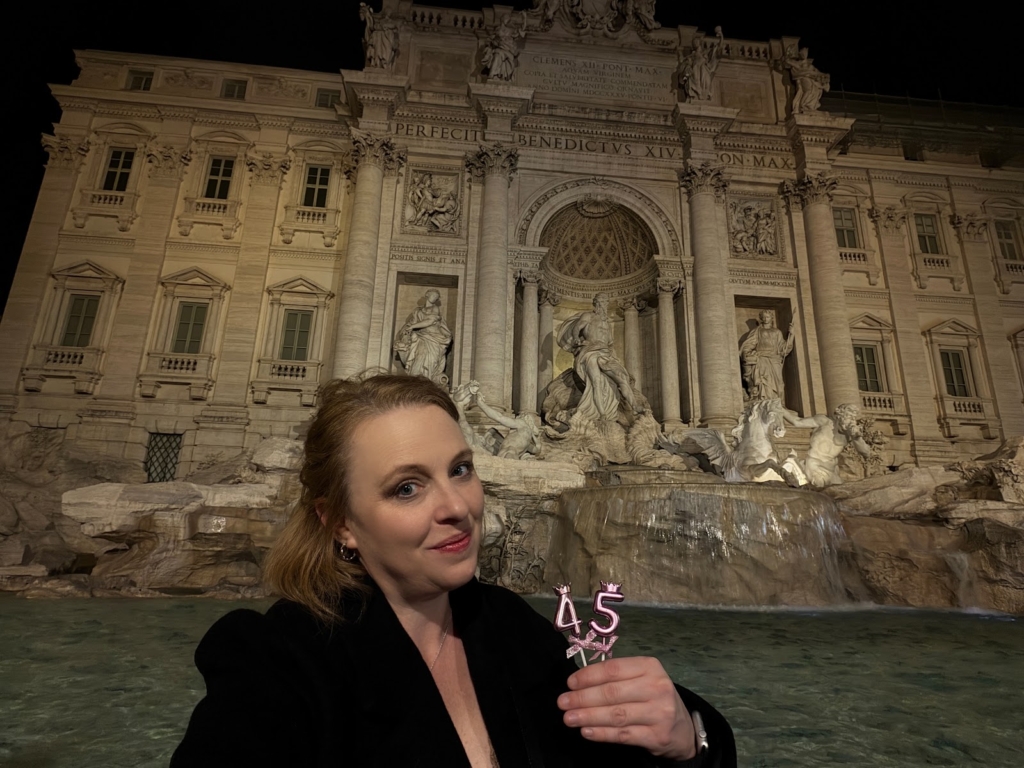
One of my four visits was particularly meaningful. In November 2025, I celebrated my 45th birthday in Rome with my best friend. I was taking three months of annual leave from my career as a CEO, originally intending to return to work afterward. Instead, around that birthday, I made the decision that I no longer wanted to return to the same professional life I’d spent years building.
That trip involved a speakeasy, celebratory drinks and a rather unexpected tattoo featuring an airplane, a wine glass and the words Get Lost to Find More! Those words eventually became the philosophy behind Mia Without Borders.
But Rome was special to me before that birthday, and it remained special afterward. The birthday added an extraordinary personal memory to a city I already loved returning to.
If you’re planning your first visit, I want to help you appreciate what makes Rome so compelling beyond its famous monuments. There are extraordinary attractions worth seeing, but I’d also encourage you to leave room for the things you can’t necessarily organize in advance.
After four visits, I’ve discovered that you don’t have to see something for the first time to enjoy it. And sometimes, the experience you remember most is something you never intended to do at all.
Rome is Italy’s capital and one of Europe’s most historically significant cities. Its extraordinary combination of ancient monuments, Renaissance and Baroque architecture, religious landmarks, museums, food and neighbourhood life makes it a destination that appeals to a wide range of travellers.
For first-time visitors, these are the practical details I’d keep in mind:
I wouldn’t recommend treating Rome as a city where the goal is simply to see as many landmarks as possible in the shortest amount of time.
There are magnificent monuments worth visiting, but the neighbourhoods, restaurants, public squares and streets between those attractions are just as much a part of the experience.
That’s one of the reasons I enjoy returning. I don’t feel obligated to spend every trip repeating the same itinerary, although I’m perfectly happy revisiting somewhere I particularly love. I can enjoy familiar places and still have an entirely different experience depending on what else I discover along the way.
Rome is a city I would consider visiting in almost any season, although the weather can make a significant difference to how you organize your days.
Because so much of the city is best experienced on foot, I’d think carefully about the temperatures and how comfortable you’ll be walking between attractions.
Spring is one of the most appealing seasons for visiting Rome. The temperatures generally become more comfortable for sightseeing, and the city’s parks, gardens and outdoor spaces begin coming to life.
April and May can be particularly lovely, although Easter celebrations and major holidays can bring large crowds. I’d still book important attractions in advance rather than assuming that spring is a quiet season.
Summer can be extremely hot, particularly during July and August.
Rome has many outdoor attractions, and walking around archaeological sites or exposed public spaces in the middle of a hot afternoon can become exhausting.
If I were visiting during summer, I’d organize major outdoor sightseeing early in the day, plan longer breaks and leave some time for evening exploration. I wouldn’t try to complete every famous attraction simply because I’d already purchased tickets or developed an ambitious itinerary.
Autumn is another season I’d seriously consider, particularly if I wanted to spend long days exploring historic streets, churches and neighbourhoods.
September can still be warm, while October often provides comfortable conditions for sightseeing. November brings shorter days, cooler temperatures and a greater chance of rain.
My November 2025 birthday trip is obviously a particularly special memory, but I also appreciate that travelling outside the hottest months can make city exploration more comfortable.
I’d pack layers and allow a little flexibility in case the weather didn’t cooperate with my plans.
Winter is generally cooler and can be rainy, but Rome has enough museums, churches, restaurants and indoor cultural attractions that the city remains interesting.
Religious holidays and Christmas celebrations can affect opening hours and crowd levels at major attractions, particularly around Vatican City.
For someone who enjoys architecture and cultural experiences, I wouldn’t automatically dismiss a winter visit. I’d simply approach it differently from a summer holiday.
My recommendation: I’d favour spring or early autumn for comfortable sightseeing, although November is certainly worth considering. The best season ultimately depends on the type of experience you want and how comfortable you are with heat, crowds and changing weather.

One of my favourite things about Rome is that you don’t necessarily need a major attraction to have a wonderful afternoon.
There are neighbourhoods where I could happily wander for hours, appreciating the buildings, discovering shops, stopping for coffee and enjoying the atmosphere.
After four visits, I haven’t lost that curiosity. I can return to familiar streets and still notice something different, or explore an entirely new area and discover another reason I want to come back.
For first-time visitors, these are the neighbourhoods I’d consider.
Rome’s historic centre is filled with the streets, fountains, churches and public squares that make the city so recognizable.
The area around the Pantheon, Piazza Navona and Campo de’ Fiori is particularly wonderful for walking. Beautiful architecture is everywhere, and it’s not unusual to turn down an ordinary street and find yourself in front of an extraordinary church or elaborate fountain.
This is exactly the kind of environment I enjoy. I love the details that reveal themselves when you’re not following a tightly organized sightseeing schedule, particularly when historic architecture exists alongside the everyday life of a modern city.
I’d recommend giving yourself time to explore beyond the main landmarks. Stop somewhere for coffee, wander through the connecting streets and enjoy the experience of being in Rome without needing every moment to have a specific purpose.

Monti is an appealing neighbourhood near the Colosseum and Roman Forum, with small streets, cafés, independent shops and restaurants.
It’s a good area to explore after visiting ancient Rome, particularly if you want somewhere to enjoy a meal or appreciate a different atmosphere without travelling far.
I’d consider Monti for accommodation as well, especially if you enjoy being close to historic attractions while having interesting restaurants and cafés nearby.
Trastevere is one of Rome’s most recognizable neighbourhoods, famous for its colourful buildings, narrow streets, restaurants and lively evening atmosphere. It’s particularly appealing for people who enjoy photography, architecture and discovering interesting places to eat.
The Basilica of Santa Maria in Trastevere is an important historic landmark, while the surrounding streets offer plenty of opportunities to explore.
I would allow time to wander beyond the busiest restaurant squares rather than simply following the crowds. Popular tourist areas can be enjoyable, but some of the quieter streets can be just as interesting.

Prati offers a somewhat different atmosphere from Rome’s narrow historic streets, with wider avenues, shops, restaurants and residential buildings.
It’s convenient for visitors planning to explore Vatican City and worth considering if you prefer accommodation in a more residential neighbourhood.
I’d compare properties here with those in the historic centre, particularly when considering transportation, walking distances and overall accommodation costs.
Testaccio is a neighbourhood worth investigating if you’re interested in traditional Roman food and places that feel less centred around the major tourist attractions. The area has a long history associated with trade and food distribution, and today it’s known for restaurants, markets and local culinary traditions.
For a return visit, this is the kind of neighbourhood I’d consider dedicating an afternoon to rather than organizing another day entirely around monuments.
That’s part of what I enjoy about Rome after several visits. There’s always another aspect of the city to explore, and I don’t have to repeat the same schedule to feel that I’ve had a wonderful experience.
Rome’s most famous attractions deserve their reputations, and I wouldn’t suggest skipping them simply because they’re popular.
I think there’s something wonderful about returning to a landmark you’ve already seen and appreciating it again. The experience can feel different depending on the weather, the people you’re with, what you’ve learned since your previous visit or simply how much time you allow yourself to enjoy it.
But I also think it’s important to be selective. You don’t have to visit every famous monument on the same trip, particularly if doing so leaves you exhausted.
The Colosseum is one of Rome’s most recognizable monuments and an extraordinary reminder of the scale and sophistication of the ancient Roman Empire.
Completed during the first century CE, the amphitheatre was used for public spectacles and remains one of the most significant surviving examples of Roman architecture. It’s particularly interesting when you begin learning about the social, political and cultural significance of the events that took place there.
I’d consider a knowledgeable guide if you want to understand more than the basic history of the building. Having somebody explain how the monument functioned and the society that created it can make the experience considerably more meaningful.
Official Colosseum tickets are generally released 30 days before the visit and require a reserved entry time. Check the current ticket options carefully because access to particular areas may require different tickets.
Recommended experience: Entrance to the Colosseum, Forum and Palatine Hill →
The Roman Forum and Palatine Hill are best explored alongside the Colosseum because they provide additional context for understanding ancient Rome.
The Forum was a major centre of public, political and religious life, while Palatine Hill is associated with early Roman history and imperial residences.
I think it’s worth allowing enough time to appreciate the archaeological remains rather than simply walking through because they’re included with your Colosseum ticket.
The sites involve uneven surfaces and some exposed walking areas, so comfortable footwear and appropriate weather preparation are important.
If you’re particularly interested in history, I’d consider a guide or detailed audio commentary to help explain what the individual structures once represented.
The Pantheon is one of the buildings I’d recommend to anyone who loves architecture.
Its enormous dome, central oculus and extraordinary engineering are fascinating when you consider how long the structure has survived.
Originally built as a Roman temple and later converted into a Christian church, the Pantheon offers a wonderful example of how Rome’s different historical periods continue to overlap.
It’s also surrounded by beautiful streets and Piazza della Rotonda, making it easy to combine with a relaxed exploration of the historic centre.
Current visitor information:
Recommended experience: Rome: Entrance ticket and audio guide for the Pantheon →
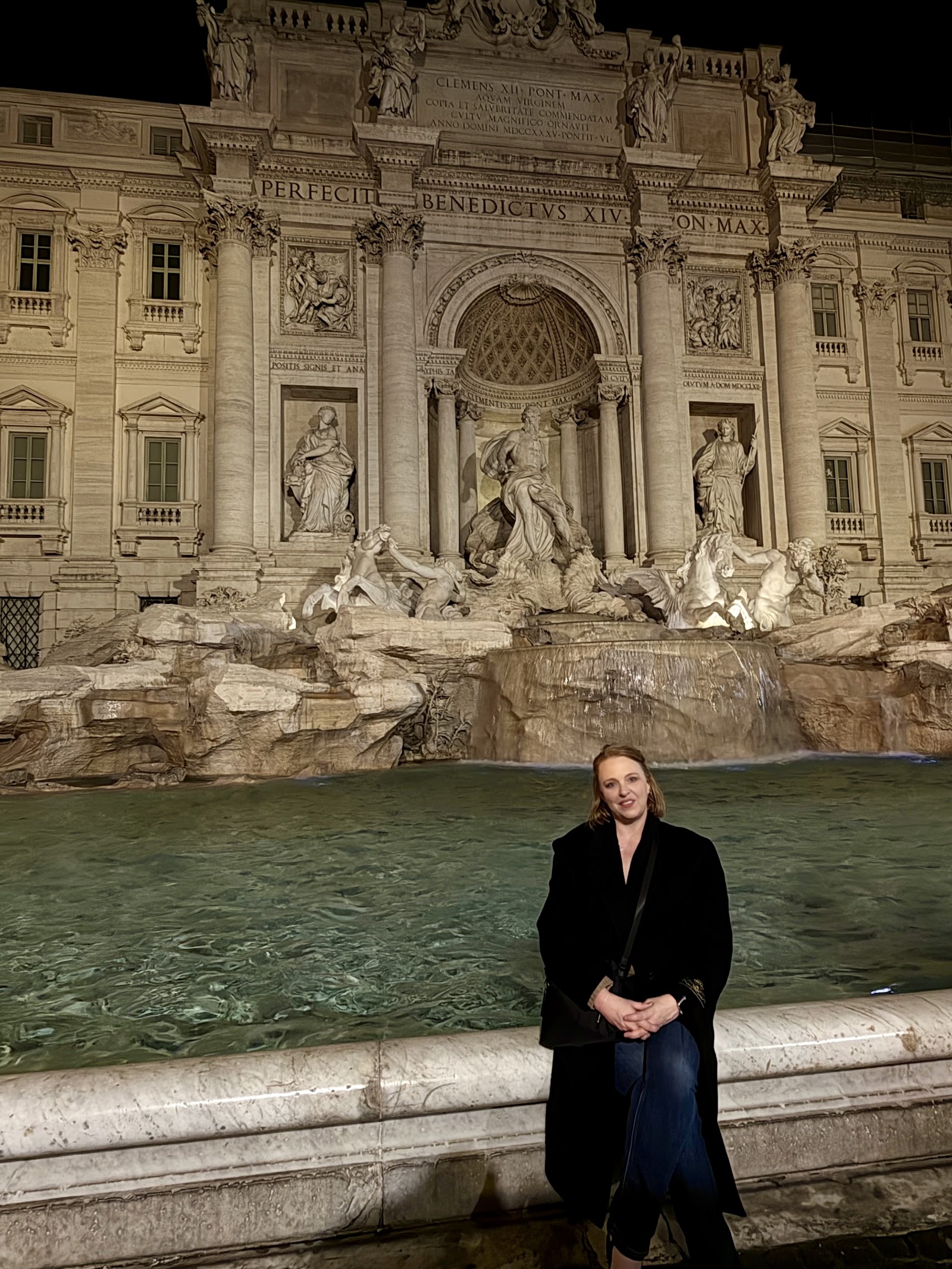
Trevi Fountain is one of the city’s most famous landmarks, and its elaborate Baroque sculpture and architectural setting make it an extraordinary sight.
This is the sort of place I can understand people wanting to see on every visit. A beautiful landmark doesn’t become less beautiful simply because you’ve photographed it before.
But it’s also one of Rome’s busiest attractions, so I’d manage expectations about crowds and access.
I’d rather appreciate the fountain and surrounding architecture than spend an enormous amount of time trying to capture a completely empty photograph.
Important 2026 update:
The fee was introduced after my November 2025 birthday trip, so visitors should check the current system rather than relying on older guides.
Official resource: Trevi Fountain Official Visitor Information →
One of my favourite aspects of European city travel is the opportunity to enjoy beautiful public spaces without needing to purchase admission. Rome has an extraordinary collection of piazzas, and Piazza Navona is among its most famous.
With its Baroque fountains, surrounding architecture and lively atmosphere, it’s somewhere worth allowing time to appreciate rather than rushing through on the way to another attraction.
Campo de’ Fiori offers a different atmosphere, with market activity during the day and restaurants and cafés nearby.
I’d include both as part of a relaxed walk through the historic centre rather than treating them as separate major excursions.
For anyone interested in churches, architecture and religious history, St. Peter’s Basilica is an extraordinary destination.
The scale of the building, its dome, artistic details and historical importance make it one of the most recognizable religious landmarks in the world.
I particularly enjoy visiting churches and cathedrals because they reveal so much about the artistic traditions, beliefs and cultural priorities of the societies that built them.
St. Peter’s Basilica is an excellent example of that.
General admission to the basilica is free, although security queues can be substantial and separate fees may apply for optional services and dome access. Visitors should dress appropriately for a religious site and check opening arrangements before arriving.
Recommended experience: Rome: Vatican Museums, Sistine Chapel and Basilica Tour →
The Vatican Museums contain extraordinary collections of art and historical objects, with the Sistine Chapel among the most famous attractions.
If you enjoy Renaissance art, architecture and cultural history, I’d recommend making enough time to appreciate the collections rather than trying to squeeze the entire visit into a rushed morning.
The museum complex is large, and it can become crowded, particularly during popular travel periods.
Recommended experience: Vatican: Museums and the Sistine Chapel →
Villa Borghese offers a welcome contrast to the busy streets of central Rome.
The public gardens provide space to enjoy greenery, walk at a more relaxed pace and appreciate views from areas such as the Pincio Terrace.
Within the park, Galleria Borghese houses an important collection of art, including works by Bernini and Caravaggio.
Reservations are required for the gallery, so I’d check availability before building the day around a visit.
Official resource: Galleria Borghese Official Tickets & Visitor Info →
For a longer stay or repeat visit, combining the gardens with an art museum would be a lovely way to experience another side of the city.
If there’s one thing I will never tire of discovering in Rome, it’s the food.
Every visit offers another opportunity to try something different. It might be a dish I haven’t had before, a restaurant I haven’t discovered yet or simply a new place to enjoy a familiar favourite.
I don’t believe you need to reinvent your dining choices every time you return somewhere, either. Sometimes the pleasure comes from finding something you loved on a previous visit and enjoying it again.
But I also love the excitement of discovering something new, particularly when food provides an opportunity to learn about local traditions and the people who prepare it.
Rome has its own distinctive culinary identity, and I’d encourage first-time visitors to explore traditional Roman dishes rather than assuming Italian cuisine is exactly the same throughout the country.
Four pasta dishes are particularly associated with Roman cuisine.
Cacio e pepe combines pasta, Pecorino Romano and black pepper. It’s deceptively simple, relying on technique to create the distinctive sauce.
Carbonara traditionally uses eggs, Pecorino Romano, guanciale and black pepper, rather than the cream-based versions sometimes found outside Italy.
Amatriciana combines tomato, guanciale and Pecorino Romano, while gricia uses guanciale, cheese and pepper without the tomato.
Trying these dishes is a lovely way to appreciate Rome’s culinary traditions, particularly when you visit a restaurant that takes pride in preparing classic regional food.
Pizza al taglio is Roman pizza sold by the slice, often cut to the portion you request.
It’s convenient when you’re exploring and want something satisfying without sitting down for a full restaurant meal.
Supplì are fried rice snacks, often filled with mozzarella or other ingredients, and they’re another traditional Roman specialty worth trying.
Artichokes are an important part of Roman food traditions, particularly dishes such as carciofi alla romana and carciofi alla giudia.
Gelato is another obvious pleasure, and I’m always interested in finding somewhere that prepares it well rather than automatically choosing the nearest shop beside a famous monument.
And of course, Rome’s coffee culture is part of what makes the city so enjoyable.
I love having the freedom to stop for coffee, appreciate the surroundings and spend a little time observing everyday life. It’s one of those simple experiences that can make returning to a familiar city feel wonderful.
I wouldn’t automatically choose a restaurant simply because it has a beautiful view of a famous attraction.
There are excellent restaurants in central Rome, but I’d pay attention to menus, recent reviews and any additional cover or service charges.
I also think it’s worth exploring beyond the busiest tourist streets, particularly when you have enough time to discover neighbourhood restaurants rather than choosing somewhere exclusively because it’s convenient.
A guided food tour can be an interesting option for first-time visitors, particularly if you enjoy learning about the traditions and neighbourhoods associated with different dishes.
Recommended experience: Pasta and Tiramisu Cooking Class →
After four visits, food is still one of the things that makes me excited about returning. There are familiar favourites I can enjoy again and countless other places I haven’t yet discovered.
That’s exactly how I like to experience a city.
Something I’ve learned through travelling is that a destination isn’t defined only by its buildings, food or famous attractions.
The people you encounter can have just as much influence on how you remember a place.
When I think about returning to Rome, I’m interested in the possibility of meeting new people, discovering different perspectives and having experiences that wouldn’t necessarily have been part of an earlier visit.
A conversation over dinner, a recommendation from somebody you meet or an unexpected evening somewhere interesting can change the way you experience an otherwise familiar destination.
I think that’s one of the reasons Rome continues to hold my attention. I’m not returning solely to look at the same buildings, although I certainly don’t mind admiring them again. I’m returning to experience the city at a different moment in my life, with the possibility of discovering something I haven’t encountered before.
The person I am now isn’t exactly the same person who arrived during an earlier visit, either. My interests have developed, my circumstances have changed and I’ve accumulated experiences that influence what I notice and appreciate.
I love that a place can remain familiar while my relationship with it continues to evolve.
And of course, one visit in particular introduced a rather significant change.
Of my four visits to Rome, the November 2025 birthday trip will always hold a particularly important place in my life.
I travelled there with my best friend to celebrate turning 45, during a three-month period of annual leave that I’d originally planned to take before returning to my career as a CEO.
At that point, I’d spent years working hard, raising three children and building a professional life that involved enormous responsibility. I was proud of what I’d accomplished, but I had begun questioning whether the demands of my career were still compatible with the kind of life I wanted.
I hadn’t arrived in Rome with an elaborate plan to resign, build a travel business or spend the following year exploring the world. I was on holiday, celebrating my birthday with someone I loved and enjoying one of my favourite cities.
During the trip, my friend and I discovered a speakeasy through social media. The birthday celebrations involved drinks, laughter and a rather unexpected tattoo featuring an airplane, a wine glass and the words Get Lost to Find More!
At the time, those words weren’t the slogan of a completed business plan. They were a personal reminder of something I’d been coming to understand: after years of following the path I’d worked so hard to build, I wanted to give myself permission to explore something different.
Around that birthday, I decided I wasn’t going back to the same CEO role I’d originally intended to resume after my leave.
It wasn’t a decision that magically resolved every practical question about my future. Leaving a successful career involves financial considerations, identity changes and a considerable amount of uncertainty.
But the decision opened the possibility of building a different life, one with more room for travel, writing, curiosity and experiences I’d spent years putting aside.
And eventually, that little tattoo phrase became the philosophy behind Mia Without Borders.


I’ve written about that birthday and the decision that followed in a separate personal article, because there’s much more to the story than a holiday and an unexpected tattoo.
Related read: The Birthday in Rome That Changed the Direction of My Life →
What I find particularly interesting now is that Rome had already been a place I loved returning to. That birthday didn’t create my affection for the city, but it added a completely different layer of meaning to somewhere that was already special.
I can appreciate Rome’s extraordinary history and architecture while also remembering that one of its streets, evenings and celebrations became connected to a significant turning point in my own life.
And I think that’s part of what makes returning to a destination so meaningful. The memories accumulate, and eventually a city becomes connected not just to the places you’ve visited, but to different chapters of your life.
Accommodation location is important in Rome because distances between attractions can be significant, and even relatively short walks can feel longer when you’re navigating cobblestones and uneven streets.
I’d choose somewhere that suits the way I want to spend my time rather than booking solely because it appears inexpensive or has a particularly impressive photograph.
The historic centre would be my first area to research for someone who wants convenient access to major attractions such as the Pantheon, Piazza Navona and the surrounding streets.
It’s wonderful for exploring on foot, although accommodation can be expensive and some streets are noisy because of restaurants and nightlife.
Monti is another area worth considering, particularly if you’d like to be near the Colosseum and Roman Forum while having cafés and restaurants nearby.
The neighbourhood’s smaller streets and distinctive atmosphere make it appealing for visitors who enjoy exploring beyond the major monuments.
Trastevere may be a good option if restaurants, lively streets and neighbourhood character are priorities.
I’d check reviews carefully for noise and transportation convenience, particularly if the property is located along one of the busiest restaurant streets.
Prati offers a different atmosphere, with wider streets and convenient access to Vatican City.
It may appeal if you prefer staying somewhere more residential while remaining connected to major sightseeing areas.
After several visits to Rome, I’d be comfortable considering different neighbourhoods depending on what I wanted from a particular trip. That’s another advantage of returning: you don’t necessarily need to stay in the same area every time.
Rome is one of those cities where walking is often part of the attraction.
I love discovering architecture and interesting streets between major sights, and I think you can miss some wonderful details if you move exclusively between attractions by car.
But the city is large, and I wouldn’t recommend walking absolutely everywhere simply because you want to see as much as possible.
Rome’s ATAC network includes metro services, buses and trams.
Contactless payment is available through the Tap & Go system, and longer-duration ticket options are available for visitors planning to use public transportation frequently.
Official resource: Rome ATAC Public Transit Tickets & Passes →
I’d compare the cost of individual tickets with longer-duration passes based on how much I actually expected to use the system.
Fiumicino Airport is Rome’s main international gateway.
The Leonardo Express provides a non-stop rail connection between the airport and Roma Termini station, with a journey time of approximately 32 minutes.
Official resource: Trenitalia Leonardo Express Airport Train →
If my accommodation were far from Termini, I’d compare the complete public transportation journey with an authorized taxi or prearranged airport transfer.
I use my phone constantly when travelling, particularly for maps, translations, transportation information and accommodation details.
Having access to reliable mobile data is particularly useful in a city where you’re likely to wander through unfamiliar streets and change plans throughout the day.
Stay connected: Holafly eSIM →
I’d still download offline maps and save important accommodation details before arriving, because having backup information makes navigating a new place much easier.
After four visits, I haven’t suddenly decided that Rome’s famous landmarks are no longer worth seeing. Quite the opposite. I think revisiting somewhere you love can be every bit as enjoyable as seeing it for the first time.
But there are certain approaches to sightseeing that I would skip, particularly because I’ve learned how much I enjoy allowing time for neighbourhoods, food and unexpected discoveries.
Rome has far too much history and culture to be appreciated properly in a rushed schedule.
I’d much rather enjoy a manageable number of attractions and spend some time appreciating the city between them.
If you have only two days, choose your priorities. Don’t assume you need to complete every major landmark simply because it’s famous.
The Colosseum, Roman Forum and Vatican Museums all deserve time.
I wouldn’t attempt to visit every major museum and archaeological attraction in one exhausting day.
I’d group nearby attractions together and allow enough time to appreciate what I’m actually looking at.
Rome has an enormous number of tour operators and ticket resellers. A guided experience can be worthwhile, particularly when it provides historical context, but I’d compare official admission prices and understand exactly what additional benefits I’m paying for.
A more expensive ticket doesn’t automatically mean a better experience.
I have suggested tours in this article, that I have personally taken and recommend.
There are excellent restaurants in central Rome, but I wouldn’t assume that a beautiful location guarantees wonderful food. I’d compare menus, check recent reviews and consider wandering a little farther from the busiest tourist streets.
I love discovering new restaurants, and that’s something I would continue doing every time I return.
This is probably the most important one for me.
I wouldn’t avoid a place I love simply because I’ve already visited it, and I wouldn’t force myself to repeat an entire itinerary simply because that’s what I did before. If I want to return to a favourite spot, I will. And if something new catches my attention, I’m happy to change direction.
The pleasure is in having both options.
If I were introducing someone to Rome for the first time, I’d recommend four full sightseeing days as a comfortable starting point.
This itinerary combines major landmarks with opportunities to enjoy the neighbourhoods, food and everyday atmosphere. It’s a suggestion for readers rather than a diary of one specific trip I’ve taken.
I’d begin in the historic centre, exploring the area around the Pantheon and Piazza della Rotonda.
From there, I’d wander toward Piazza Navona and the surrounding streets, allowing time to appreciate the churches, fountains and architectural details.
Trevi Fountain could be included depending on crowd levels and your preferred visiting time.
I’d finish with a relaxed meal rather than scheduling another major attraction late in the evening.
I’d reserve the second day for ancient Rome.
Begin with a timed Colosseum reservation, then explore the Roman Forum and Palatine Hill.
After several hours of sightseeing, I’d spend time enjoying Monti, stopping for coffee or a meal without feeling that I needed to continue rushing.
I’d devote the third day to Vatican City, prioritizing the Vatican Museums and Sistine Chapel if art is a major interest.
St. Peter’s Basilica would be another important attraction, although I’d plan around opening hours, security queues and the time required for the museums.
Afterward, I’d consider exploring Prati or enjoying a relaxed meal.
For the fourth day, I’d leave more room for spontaneity.
I’d explore Trastevere, enjoy the smaller streets and churches, and consider a traditional Roman meal or food experience.
Depending on interests, I might also wander toward the Jewish Ghetto, Tiber Island or another neighbourhood I hadn’t yet explored.
And if I discovered an interesting restaurant, bar or experience that wasn’t part of the original plan, I’d leave room to enjoy it.
Some of my most meaningful Rome memories certainly weren’t planned months before I arrived.

Rome isn’t necessarily a budget destination, particularly if you’re staying in central accommodation and visiting several major paid attractions.
But there are also many ways to enjoy the city without spending money on a formal sightseeing activity every hour.
I would budget for accommodation, restaurants and cafés, public transportation, major attractions, optional tours and a little flexibility for special experiences.
Accommodation prices vary considerably by neighbourhood and season, so I’d compare total costs rather than relying on one general daily budget estimate.
I’d also consider where I want to spend more. I might happily pay for a special meal, an interesting historical tour or an experience I haven’t tried before, while spending another afternoon simply wandering through beautiful streets.
That’s one of the pleasures of returning to Rome. I don’t feel obligated to spend money repeating every ticketed attraction, and I can use that flexibility to discover something different.
Recommended experience: →
Wear genuinely comfortable shoes. Rome’s cobblestones, uneven surfaces and archaeological sites can make walking more demanding than the distances on a map might suggest.
Carry a refillable water bottle and use the public drinking fountains, known as nasoni, where the water is identified as potable.
Book major attractions in advance when timed admission is required, particularly during busy travel periods.
Be prepared for security checks at important monuments, museums and religious sites. Dress appropriately when visiting churches, and follow any visitor restrictions on photography or access.
Keep your belongings secure in crowded areas, particularly on public transportation and around major attractions.
Related read: Solo Travel Safety: How I Stay Aware Without Letting Fear Run the Trip →
And perhaps most importantly, don’t be afraid to change your plans.
If you discover a lovely restaurant, want to spend longer in a beautiful neighbourhood or decide that you’d rather revisit a favourite attraction than see somewhere new, there’s nothing wrong with that.
After four trips to Rome, I’ve learned that a wonderful visit doesn’t necessarily depend on having a different itinerary every time.
It depends on enjoying the experience you’re having.
The wonderful thing about having visited Rome four times is that I’m already quite certain there will be another visit.
I’m not finished with the city, and I don’t particularly expect that I ever will be. I’d absolutely return to places I’ve enjoyed before. If I love an attraction, a neighbourhood or an experience, I see no reason to avoid it simply because I’ve already been there. But I’d also do exactly what has made every previous trip interesting: leave room for something new.
I’d find different restaurants, wander through streets I haven’t explored, meet people and make time for experiences that appeal to the person I am now. I’d probably rediscover some places that feel familiar and appreciate them in a different way. And I’d enjoy the possibility that somewhere ordinary might become memorable simply because of who I was with or what happened while I was there.
When I think about my previous visits, I don’t see four identical experiences. I see different moments in my life, with their own memories, circumstances and discoveries.
My 45th birthday in November 2025 was one particularly significant chapter, but it wasn’t the beginning or end of my relationship with Rome. The city has given me beautiful experiences across multiple visits, and I love the fact that returning doesn’t make those experiences less meaningful.
In some ways, I think it makes them more interesting. I can remember who I was during an earlier visit while appreciating everything that has changed since then. I’ve written more about how my Rome birthday became connected to the decision to leave my CEO career and build a different kind of life.
Related read: What Happens When the Life You Worked For Isn’t the Life You Want Anymore →
But even without that personal history, I’d still love Rome for its architecture, food, culture, neighbourhoods and ability to make ordinary moments feel special.
That’s what keeps me coming back.
I’d recommend four to five nights for a first visit, particularly if you want to explore the Colosseum, historic centre, Vatican City and several neighbourhoods without rushing. If you love architecture, food and slower city travel, I’d happily recommend staying longer.
Absolutely. I’ve visited Rome four times, and each trip has offered a combination of familiar favourites and new discoveries. There’s enough history, culture, food and neighbourhood life that I never feel I’ve experienced everything the city has to offer.
Yes. I visited for my 45th birthday in November 2025 and have wonderful memories of the trip. The weather can be cool or rainy, so pack layers and allow time for indoor attractions if conditions change.
It’s strongly recommended. Official tickets have timed entry, and standard sales generally begin 30 days ahead of the visit. Check the official ticketing website for current arrangements.
Yes, and I would generally recommend doing so. Rome has an extensive public transportation system, and many historic areas are particularly enjoyable to explore on foot.
The historic centre is convenient for major landmarks and walking. Monti, Trastevere and Prati are also worth researching depending on whether you prioritize restaurants, neighbourhood atmosphere or access to Vatican City.
I’d begin with traditional Roman pasta dishes such as carbonara, cacio e pepe, amatriciana and gricia. Pizza al taglio, supplì, artichokes, gelato and coffee are also worth exploring.
There are cities I’ve visited that I loved but don’t necessarily feel a strong need to return to. I’m grateful for the experiences, happy to have seen them and interested in discovering somewhere different on my next journey.
Rome has never been one of those places.
I’ve visited four times, and I still get excited about the possibility of going back. I love the architecture, the history, the churches, the food and the wonderful experience of walking through streets that have been part of people’s lives for centuries.
I love that I can return to somewhere familiar and find it just as beautiful as I remember. I also love that every visit introduces something new, whether that’s a restaurant I haven’t tried, a different part of the city, an interesting person or an unexpected experience.
There’s a comfort in familiarity, but there’s also something exciting about knowing that you haven’t discovered everything yet. And I don’t believe you ever have to choose between the two.
One of my visits will always be associated with my 45th birthday, my best friend and a decision that changed the direction of my life. That trip has its own particularly meaningful place in my story, and it’s one of the reasons the words Get Lost to Find More! matter so much to me.
But my love for Rome isn’t limited to that moment.
It’s something that’s grown through four different visits, each with its own memories, people, experiences and discoveries.
I think that’s what makes certain destinations special. You can return to the same place and experience it through completely different circumstances, while still finding something familiar that reminds you why you loved it in the first place.
I don’t need Rome to surprise me with a major life decision every time I visit. Frankly, I’m not sure my career or my tattoo collection could withstand that.
I’m perfectly happy with another beautiful street, a wonderful meal, a conversation with someone new or the chance to revisit a place I’ve always loved.
And when I eventually return for the fifth time, I suspect I’ll feel the same excitement I’ve experienced on every previous trip.Because that’s the thing about Rome for me. No matter how many times I visit, there’s always something that makes it feel like the first.
Affiliate disclosure: This article contains affiliate links. If you book or purchase through them, I may earn a commission at no additional cost to you.