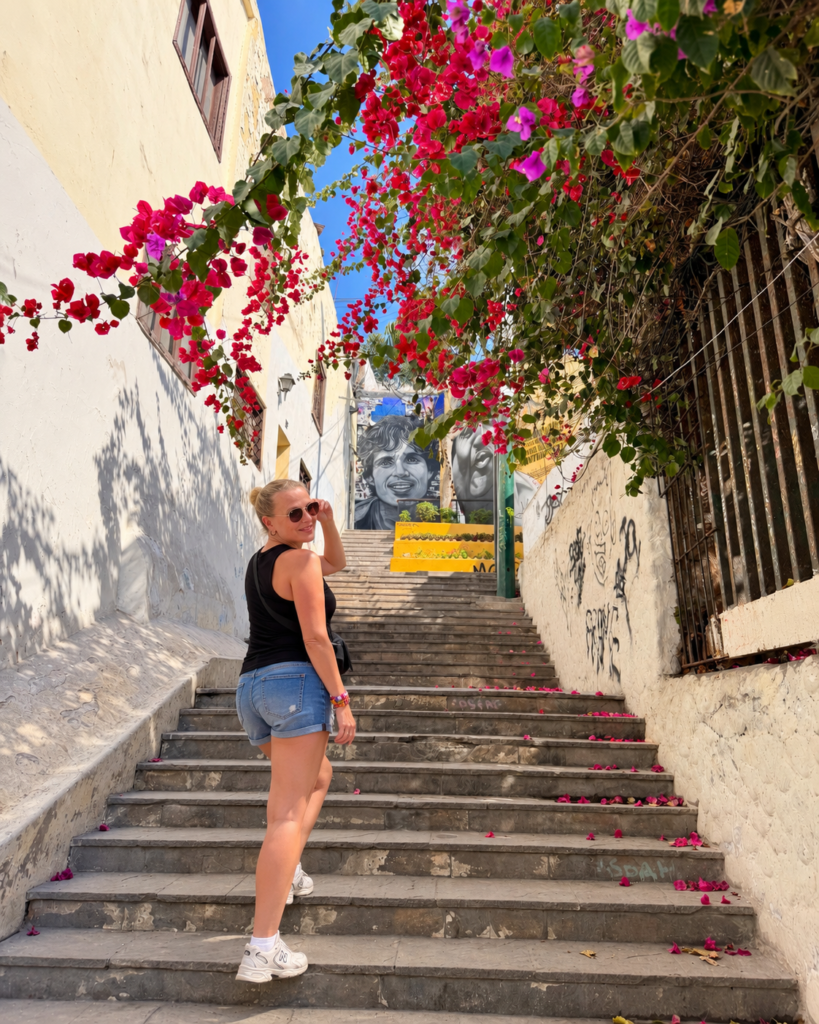

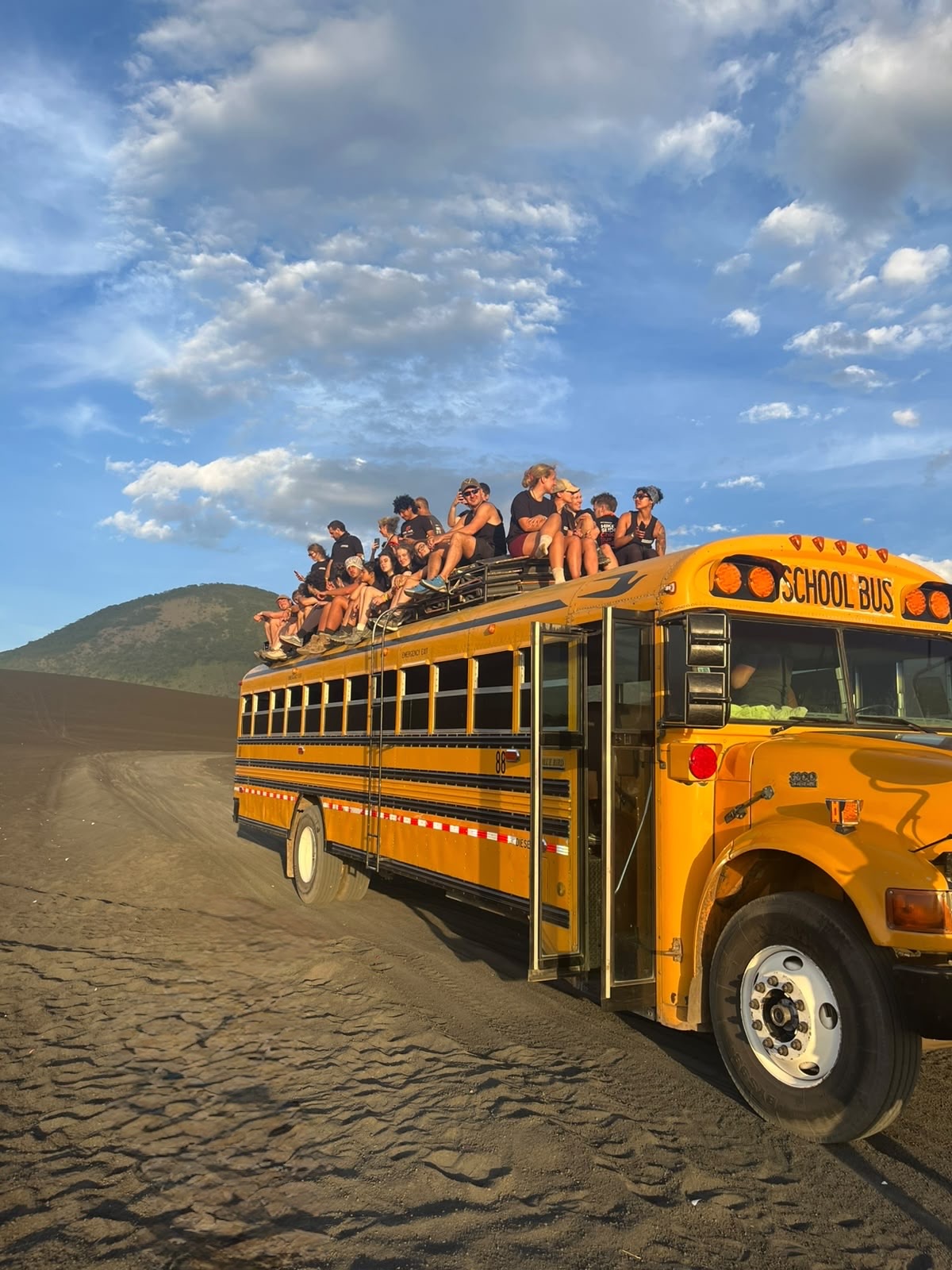
From a lively hostel in Nicaragua and salsa dancing in Colombia to unexpected friendships that have followed me across South America, I’ve discovered that some of the most meaningful parts of travelling alone involve the people you meet along the way. And perhaps the greatest surprise has been learning that I can love those connections while being perfectly happy in my own company.
If you asked me to choose the most meaningful person I’ve met while travelling solo, I’d have a rather difficult time narrowing it down to one. There’s an older person I encountered sitting beside me on the subway, an Irish couple I met in La Paz, Bolivia, and four friends from the UK who have influenced the direction of a book I’m writing. There’s a woman from London with whom I spent two weeks, and a man from Wales whose travels have continued to intersect with mine throughout South America for the past three months. We’ve managed to meet up whenever our plans allow, which has become one of the lovely, unexpected parts of travelling without a particularly predictable schedule.
And those are only a handful of the people who’ve become part of my story. I’ve met so many fascinating individuals from different countries, cultures and backgrounds that it would be impossible to remember every conversation, much less explain how each encounter has influenced the way I think about the world.
Some of these connections have developed into ongoing friendships, while others lasted only as long as we happened to be in the same place. There are people I still talk to regularly, others I occasionally hear from and some whose lives have continued in entirely different directions. I’ve discovered that the length of a friendship doesn’t necessarily determine its significance, because even a relatively brief encounter can leave you thinking about something differently long after you’ve said goodbye.
When I first began travelling full-time, mostly solo, I thought being without my familiar circle of people might be one of the hardest adjustments. After spending much of my adult life raising three children, building a career and taking care of other people, I wasn’t entirely sure how I’d feel about being responsible for nobody’s daily needs but my own. I expected to miss the company, the conversations and the familiarity of always having somebody around.
What I hadn’t anticipated was how many opportunities there would be to connect with people, or how much I’d enjoy having the freedom to decide when I wanted company and when I’d rather be alone.
One of the biggest changes I’ve noticed in myself since beginning this journey is that I’m much more willing to initiate a conversation. I’m not talking about walking into a room and introducing myself to everyone or feeling obligated to make friends every time I leave my accommodation. I’ve simply become more aware of the opportunities that exist in ordinary moments, and I’m less likely to let them pass without considering whether there might be an interesting person on the other side of a hello.
Sometimes it begins with a small comment to somebody sitting nearby. It might be something happening around us, a question about a destination or an observation that seems worth sharing. I’ve learned to pay attention to how the person responds and allow the conversation to develop naturally if they seem interested. If they don’t, I leave it there. Not everyone wants to talk, and I appreciate that because there are plenty of occasions when I don’t particularly want to either.
It’s a simple approach, but I’ve become much better at recognizing when somebody is open to conversation. A friendly response, a question in return or a little curiosity about what I’ve said usually tells me there’s room to continue. If someone gives a brief answer and returns to what they were doing, I respect that and carry on with my day.
I think people sometimes make meeting others while travelling sound considerably more complicated than it needs to be. There are certainly organized activities and social environments that make introductions easier, but I’ve had meaningful encounters in the most ordinary circumstances, including sitting beside someone on public transportation.
What fascinates me is how much there is to discover about people we encounter throughout everyday life. Someone sitting beside you on a subway has an entire history, a family, experiences, beliefs and opinions that you know absolutely nothing about. At home, it’s easy to move through familiar routines without giving those possibilities much thought. Travelling has made me more curious about the people around me because I’m constantly encountering cultures and ways of living that are different from those I grew up with.
I genuinely enjoy hearing people’s stories. I want to understand where they come from, how they live, what matters to them and how their experiences have shaped their understanding of the world. Sometimes those conversations introduce me to a perspective I’ve never considered, while others simply make an ordinary afternoon more interesting.
Not every interaction becomes a friendship, and I’ve stopped expecting it to. There’s something worthwhile about being open to another person without needing the conversation to lead anywhere in particular.
I’ve had some wonderful experiences staying in hostels, although my relationship with them is changing as I continue travelling. When you’re moving through unfamiliar destinations on your own, social hostels can provide an environment where meeting people happens naturally. Travellers are sharing common spaces, discussing their plans and often looking for opportunities to explore with others, so you already have something in common before anybody starts talking.
One of my favourite experiences was at Bigfoot Hostel in Nicaragua. What made it memorable wasn’t simply that the hostel had a lively atmosphere, because there are plenty of places where people gather to party. What stood out was how friendly and engaging everyone was and the effort made to include people in whatever was happening.
Bigfoot had a fun, energetic atmosphere, and I appreciated that you didn’t need to arrive with a group of friends to feel part of the experience. The hostel did a wonderful job of encouraging people to participate, and that made it easy to become involved in the social side of staying there.
When you’re travelling independently, that kind of environment can make an enormous difference. You can arrive somewhere knowing absolutely nobody and find yourself surrounded by people who are happy to include someone new. It removes some of the awkwardness that people imagine comes with meeting strangers, particularly if you’re not naturally inclined to initiate every conversation yourself.
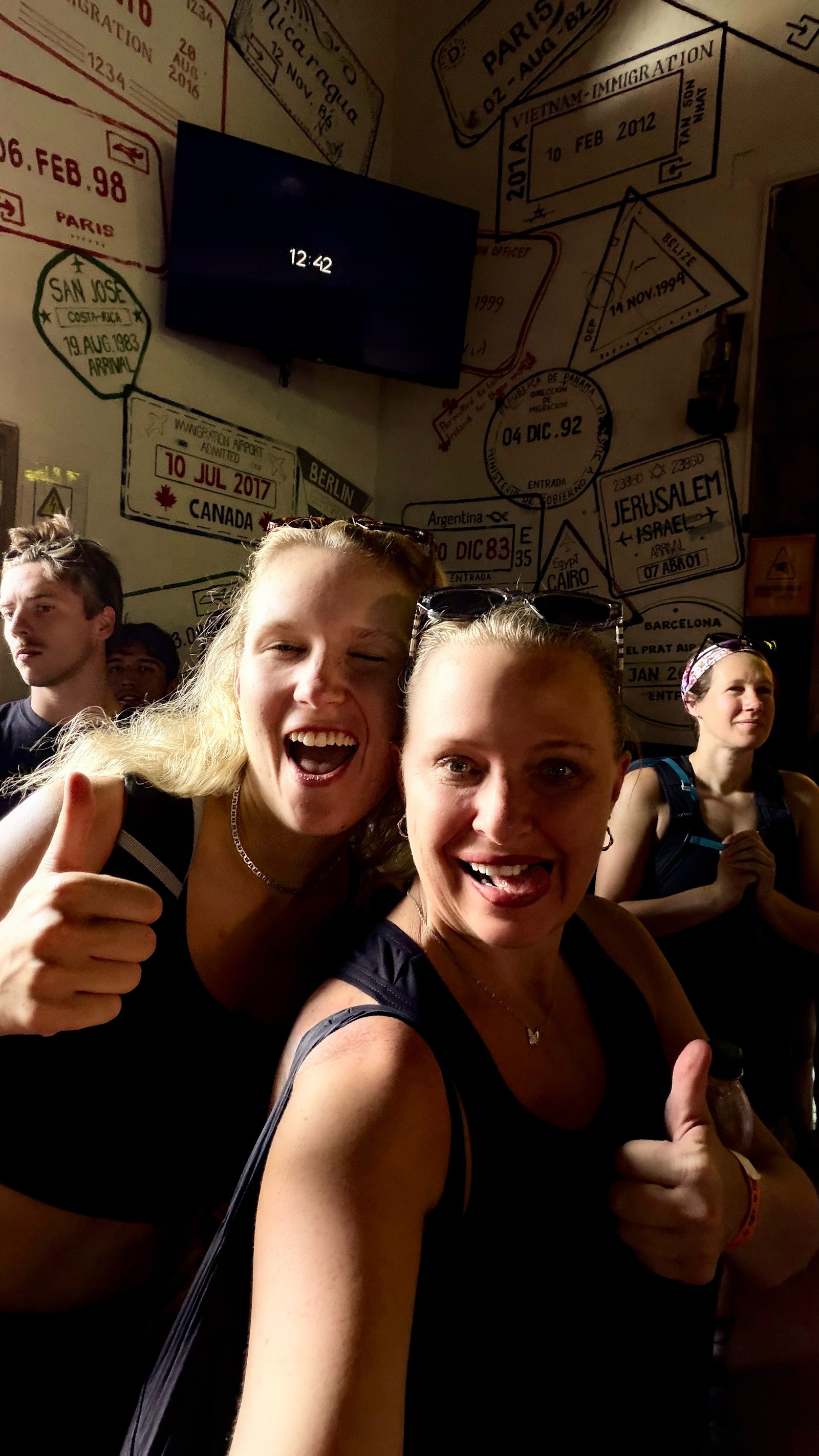
That doesn’t mean every hostel offers the same experience, or that I always want to be surrounded by people. As my travels continue, I’m discovering that my accommodation preferences are evolving. I appreciate privacy, comfort and having somewhere quiet to work or relax, particularly after spending a long time moving between destinations.
I don’t imagine hostels will remain my primary accommodation choice forever, but that doesn’t mean I’ll stop staying in them altogether. There will undoubtedly be times when I deliberately choose a social hostel because I want the opportunity to meet people without having to organize every interaction myself.
If you’re considering a hostel as a way of meeting people while travelling solo, I’d pay attention to the atmosphere described in recent reviews rather than choosing exclusively by price. Look for comments about whether the property is welcoming, whether guests tend to interact and whether there are communal spaces or organized activities that encourage people to spend time together.
There’s also an important distinction between a social hostel and a party hostel. Some people love an energetic atmosphere with events every evening, while others prefer somewhere with a comfortable shared kitchen, relaxed common areas and opportunities to connect without constant noise. Neither is necessarily better, but understanding the difference can save you from booking somewhere that doesn’t suit your personality.
Many hostels also offer private rooms, which can be a useful compromise if you enjoy the social opportunities but prefer having somewhere quiet to retreat to at the end of the day. I’ve become much more interested in finding accommodation that balances comfort, location and the type of experience I want rather than assuming one style of travel will always suit me.
Accommodations: Browse Social Hostels on Hostelworld →
I wouldn’t assume that being in your forties or beyond means you’ve somehow aged out of hostels, either. You might discover that a comfortable social property offers exactly the atmosphere you’re looking for, regardless of the average age of the guests. Equally, there’s nothing wrong with deciding that a private hotel room and the occasional organized social activity suit you better.
For me, the important thing is having options and choosing accommodation based on how I want to experience a destination at that particular time.
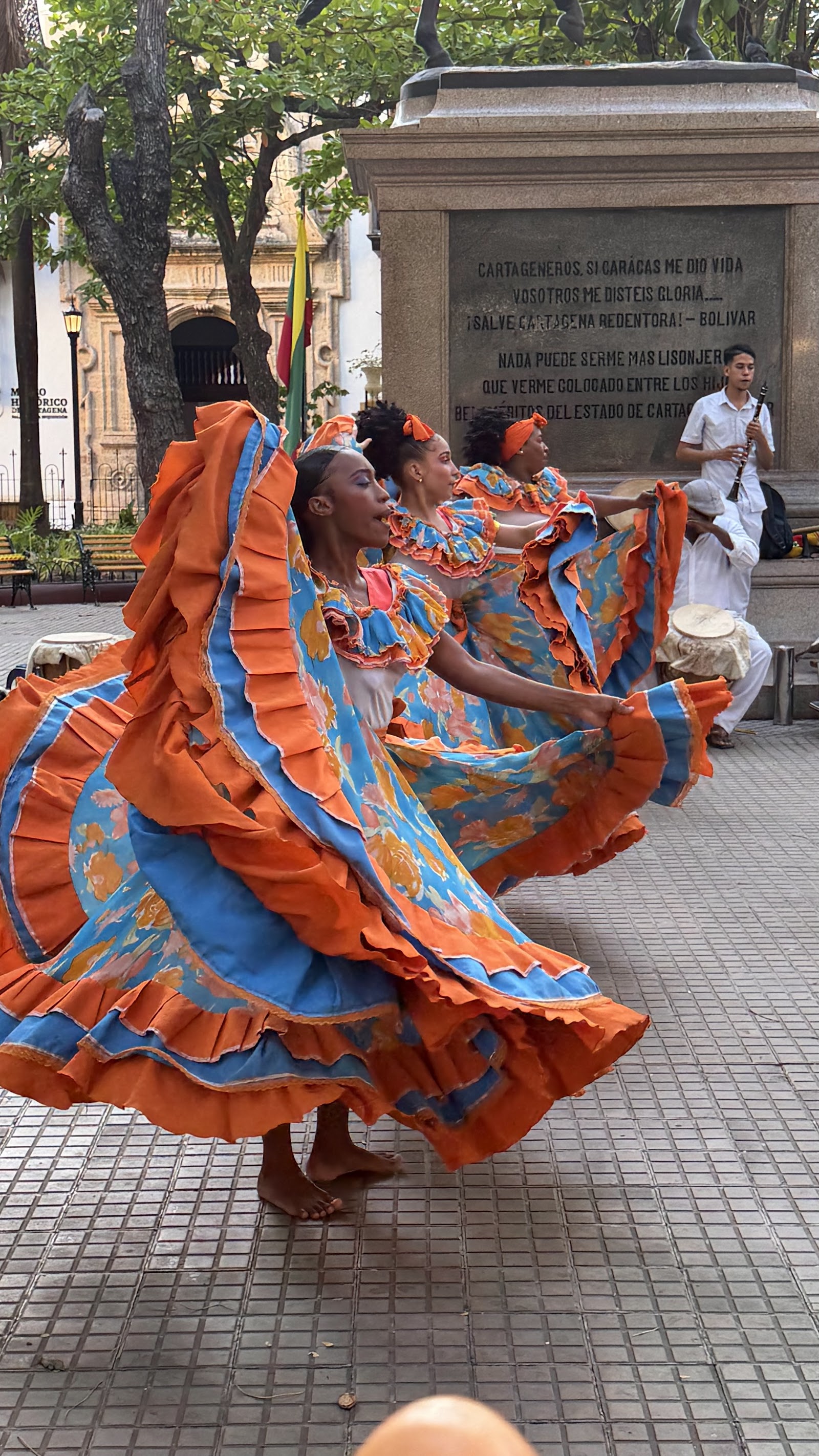
One of the things I love most about travelling is discovering how an interest I already have becomes an entirely different experience somewhere else in the world. For me, dancing is one of those interests, and I’ve taken opportunities to dance whenever possible throughout my travels.
Spending a week in Cali, Colombia, was an absolute highlight. Cali has a strong salsa culture, and having the opportunity to spend time somewhere with that much enthusiasm for something I already love made the experience particularly memorable. I had a fantastic week enjoying the dancing and the atmosphere, and I’ve even participated in a salsa competition during my travels.
What I appreciate about dancing is how naturally it creates opportunities for connection. You don’t necessarily need to know somebody’s background or begin with an elaborate conversation before sharing an experience. You’re participating in something you both enjoy, which immediately gives you a common interest.
I also think there’s something wonderful about experiencing an activity in a place where it’s an important part of the local culture. You aren’t simply visiting famous attractions or observing a destination from the outside. You’re participating in something that brings people together, and that can introduce you to a different side of the place you’re visiting.
This is one of the approaches I’d recommend to anyone who wants to meet people while travelling but isn’t particularly comfortable initiating conversations with strangers. Think about the things you genuinely enjoy doing and look for opportunities to participate in them wherever you’re going.
For me, that might be salsa or bachata. For somebody else, it could be photography, cooking, painting, hiking, language learning or a particular cultural interest. The activity gives you a reason to be there and something to talk about with the people around you, without making the entire experience dependent on whether you manage to make a new friend.
I wouldn’t recommend signing up for something you have absolutely no interest in simply because somebody told you it was a good way to meet people. If you’re going to spend your time and money on an experience, you should enjoy it regardless of who else happens to be there.
Sometimes a shared interest develops into a friendship, while other times it simply gives you a wonderful afternoon doing something you love. Both are excellent reasons to participate.
One of my favourite things about travelling solo is that I can be completely independent one day and find myself sharing an adventure with somebody new the next. I’ve discovered that travelling alone doesn’t have to mean committing to doing everything by yourself, and some of my most memorable experiences have come from meeting people whose interests happened to overlap with mine.
There have been occasions when another traveller and I have admitted we’re both nervous about visiting a particular place. Perhaps we’ve heard warnings about the destination, or it’s simply somewhere unfamiliar that would feel more comfortable to explore with company. Rather than automatically deciding not to go, we’ve sometimes chosen to share the experience.
I don’t think there’s anything contradictory about being an independent traveller and appreciating somebody else’s company. I can be confident in my ability to make decisions and navigate unfamiliar situations while still recognizing that certain experiences are more enjoyable, or more sensible, when shared with another person.
Some of those arrangements last for a day or an activity, while others develop into something longer. I spent two weeks with a woman from London during my travels, and over the past three months in South America, my itinerary has repeatedly intersected with that of a man from Wales. We haven’t been travelling together continuously, but we’ve managed to meet up when our routes and plans make it possible.
There’s something quite lovely about that kind of connection. You continue exploring according to your own interests and schedule, but there are also people whose company you look forward to when your journeys happen to cross again. It feels different from the friendships I’ve been accustomed to at home, where seeing someone usually involves coordinating around established routines and responsibilities.
Of course, I still exercise judgment about the people I spend time with. Meeting another traveller doesn’t automatically make someone trustworthy, and a shared interest isn’t a substitute for taking sensible precautions. I prefer having control over my own transportation and accommodation arrangements, and I don’t feel obligated to participate in something simply because another person wants me to.
But when the circumstances are right, shared adventures can become some of the most memorable parts of travelling independently. I’ve learned that accepting company, asking for assistance or choosing to explore with somebody else doesn’t make me any less capable.
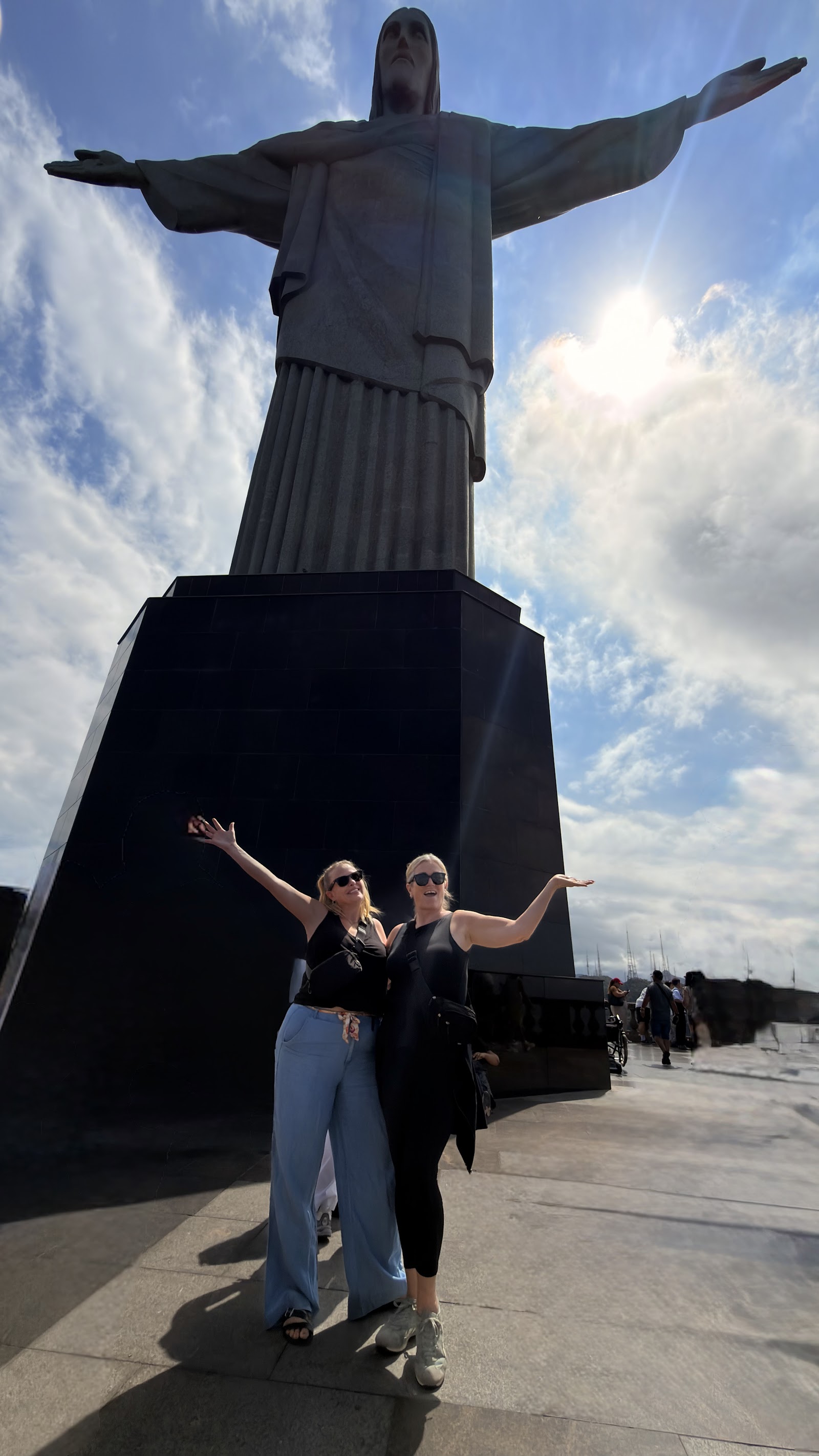
I’ve written more about navigating fear and unfamiliar destinations in my article about building solo travel confidence, particularly my experiences in places such as Egypt and Rio de Janeiro that initially made me nervous.
Related read: Going Solo Before You Feel Ready: What I Learned About Waiting for Confidence →
Sometimes the confidence comes from discovering that you can manage something independently, while other times it comes from understanding that you have options and don’t need to prove anything by doing everything alone.
Another way I connect with people is by joining organized experiences. I’ve used GetYourGuide to find activities in unfamiliar destinations, particularly when I’m interested in exploring somewhere with a knowledgeable guide or would feel more comfortable having some structure.
I enjoy history, architecture, local food and cultural experiences, so those are usually the activities I’m drawn to. A historical walking tour can provide context I wouldn’t necessarily discover independently, while a food experience or cultural workshop can introduce me to aspects of everyday life that I might otherwise overlook.
There’s also the social benefit of participating in something with other travellers. When you join an activity, you already have a shared interest, which makes conversation feel considerably more natural. You don’t need to invent a reason to speak to somebody when you’re all visiting the same place, learning about the same subject or trying something new together.
Explore group tours: Browse Guided Tours on GetYourGuide →
I’d encourage you to choose something that genuinely interests you rather than booking an activity solely because it might be a good place to meet people. Not every group experience is particularly social, and sometimes you’ll spend the entire time listening to the guide without forming a new connection.
That’s still worthwhile if you’ve had an interesting experience and learned something about the destination. For me, meeting people is an added benefit rather than the only reason to participate, and I think that takes much of the pressure out of the experience.
One of the most surprising things I’ve discovered about meeting people while travelling is how much they can influence parts of your life that have very little to do with the destination itself.
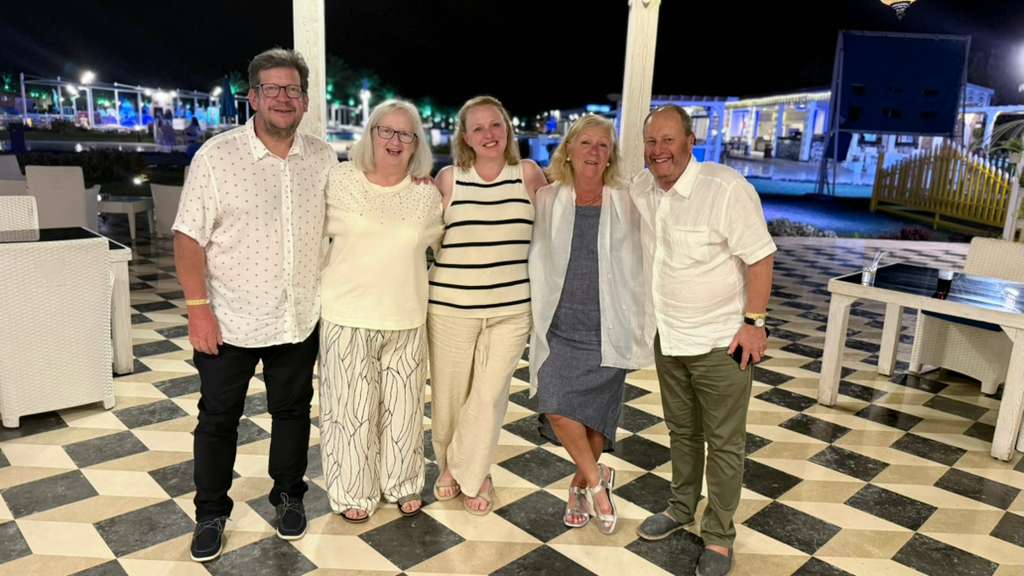
During my travels, I met four friends from the UK who have helped shape the direction of a book I’m writing. I find that rather extraordinary when I think about it, because I originally set out to explore different countries, experience unfamiliar cultures and learn more about myself. Somewhere along the way, people I hadn’t previously known became part of the development of something deeply personal and creative.
It’s made me think about how much influence we can have on one another without necessarily recognizing it in the moment. We tend to associate meaningful relationships with people we’ve known for years, such as family members, childhood friends and colleagues who’ve shared significant parts of our lives. Those relationships matter enormously, but they aren’t the only people capable of changing the way we think.
Sometimes a new person introduces a perspective you hadn’t considered, challenges an assumption or encourages you to explore an idea in a different way. You might not recognize the importance of the encounter until much later, when you realize that something they said or an experience you shared has continued influencing your decisions.
I couldn’t possibly have predicted before I began travelling that four people I’d meet along the way would have an influence on my writing. Yet it’s become one of the examples I think about when considering how unexpectedly meaningful travel friendships can be.
Not every important connection needs to develop over years, and I don’t think the significance of a friendship should be measured entirely by how often you speak or how long you’ve known one another. Sometimes somebody enters your life at exactly the right moment to introduce an idea or experience that stays with you, even if your paths eventually lead in different directions.
That’s part of what I find so fascinating about travelling. You never know which conversations will become memorable, which people you’ll see again or how an encounter that seemed entirely ordinary at the time might influence something important in your future.
For all the wonderful people I’ve met, one of the most significant changes in my life has actually been learning how much I enjoy my own company.
I spent decades organizing much of my life around other people. Raising my children, maintaining relationships and managing professional responsibilities meant there was almost always somebody else’s needs or expectations to consider. I was accustomed to being needed, and much of my identity was connected to the roles I played in other people’s lives.
Travelling independently has given me the opportunity to discover what it feels like to make decisions based entirely on what I want or need at a particular moment. I can decide where I’d like to eat, which neighbourhood I want to explore or whether I’d rather spend an afternoon doing absolutely nothing tourist-related without feeling that I need to explain the choice to anybody else.
One of the simplest examples is going to a restaurant alone. I can now walk in, ask for a table for one and genuinely enjoy the experience without feeling awkward about the empty chair across from me. I can appreciate the food, the atmosphere and the fact that I’ve chosen somewhere I wanted to visit, rather than worrying about whether everybody else seems to be dining with company.
What’s interesting is that becoming comfortable alone has actually made me more open to connecting with other people. If somebody nearby seems interested in conversation, I’m happy to make a small comment and see where it goes. If they aren’t, I’m equally happy enjoying my meal without feeling that something is missing.

That might sound like a relatively ordinary accomplishment, but for me it represents a meaningful change in the way I experience my independence. I’ve learned that I can enjoy connection without needing constant company and that spending time alone doesn’t automatically mean I’m lonely.
Of course, I still experience moments of homesickness and occasionally miss the familiarity of my family, friends and previous routines. Full-time travel isn’t an endless holiday, and I’ve written about the practical and emotional realities of living without a permanent home, including those moments when I question my decisions or simply miss knowing what tomorrow will look like.
Being comfortable alone hasn’t diminished my interest in meeting people. It’s simply given me the freedom to choose when I want company and when I’d rather have some time to myself, which is something I didn’t fully appreciate before beginning this journey.
There’s a lingering assumption that independent travel, hostels and spontaneous friendships are primarily experiences for people in their twenties. I understand where that impression comes from because much of the travel content we see focuses on younger backpackers, gap years and people exploring the world before beginning their careers.
But I’ve discovered that being in my forties hasn’t prevented me from forming meaningful connections with people from entirely different backgrounds and stages of life. If anything, travelling has introduced me to a broader range of people than I would ordinarily encounter within the established routines of home.
I’ve raised three children, built a career and made significant changes to the way I live. Another traveller might be exploring the world before university, taking a break between jobs, enjoying retirement or simply spending a few weeks somewhere different. We don’t need to have followed similar paths to enjoy a conversation or share an interesting experience.
Sometimes the differences are precisely what make those conversations worthwhile. I love hearing how people from other countries understand family, work, relationships and what constitutes a successful life. I’ve spent much of my adult life surrounded by a fairly familiar collection of expectations, so meeting people whose experiences are entirely different has encouraged me to question assumptions I once accepted without much thought.
I also think travelling has made me more intentional about creating opportunities for connection. At home, friendships often develop through established routines. You see colleagues regularly, spend time with neighbours or meet people through family and mutual friends. When you’re constantly moving, you can’t depend on those structures in quite the same way, so you become more willing to initiate conversations and participate in experiences where connections might happen.
That doesn’t mean I always feel like socializing, and I’ve certainly had days when I’d prefer a quiet afternoon to another group activity. But I’ve become considerably less concerned about whether I’m supposed to be the sort of person who travels alone at this stage of life.
I’m enjoying myself, meeting fascinating people and experiencing parts of the world I might never have explored otherwise. That’s much more important to me than fitting somebody else’s idea of what a solo traveller should look like.
If you’re considering your first solo trip and one of your biggest concerns is loneliness, I understand why that might make the experience feel intimidating. I wondered how I’d feel without the familiar people and responsibilities that had always been part of my daily life, and I certainly didn’t begin travelling with the expectation that meeting new people would come so naturally.
What I’ve learned is that creating opportunities for connection is much easier when you approach the experience without putting too much pressure on the outcome. You don’t need to arrive in a new destination determined to make several friends on your first evening, and you don’t need to spend every day participating in group activities simply because you’re worried about being alone.
I’d begin by thinking about the kind of social environment that would genuinely appeal to you. Perhaps you’d enjoy staying in a hostel with inviting common areas, joining a guided walking tour or taking a cooking class. Maybe you’d feel more comfortable participating in an activity connected to something you already enjoy, where conversation can develop around a shared interest rather than requiring you to introduce yourself without any particular reason.
I would also encourage you to become comfortable with smaller interactions. Saying hello, making a casual comment or asking somebody a question doesn’t need to become an elaborate social exercise. Sometimes the conversation develops, and other times it doesn’t. The important thing is allowing yourself the opportunity without feeling that every encounter needs to produce a new friendship.
And remember that you’re allowed to enjoy your own company. If you spend an afternoon exploring alone or have dinner without speaking to anybody, that doesn’t mean your solo trip is unsuccessful. One of the greatest advantages of travelling independently is being able to decide how you want to spend your time, including when you’d prefer a little peace and quiet.
If you’re still figuring out how to approach your first independent adventure, I’ve written a practical guide covering destination choices, accommodation, budgeting, safety and the arrangements that can make travelling alone feel more manageable.
Related read: How to Plan Your First Solo Trip: A Practical Step-by-Step Guide →
You don’t need to become a completely different person before travelling alone, and you certainly don’t need to prove that you’re the most outgoing person in the room. Sometimes being curious, approachable and willing to start a conversation is more than enough.
One of the realities of travelling full-time is that people are constantly moving. You might meet someone in one country, share a wonderful experience and discover that your plans are taking you in different directions a few days later. Sometimes you manage to stay in contact, while other times the friendship becomes part of your memories of a particular place.
I’ve become much more comfortable appreciating those connections without expecting every one of them to develop in the same way. Some people continue to be part of my life through messages, conversations or opportunities to meet again, while others were there for a relatively brief period and have since moved on.
When I think about the Irish couple I met in La Paz, the older person sitting beside me on the subway, the woman from London, my Welsh travel companion and the four friends from the UK, I’m struck by how different those encounters have been. They didn’t all begin in the same circumstances or develop into the same kind of relationship, but each has contributed something to my experience.
It’s made me think about what I can only describe as the ripple effect of meeting people. Someone shares an idea or introduces you to a different perspective, and that changes how you approach something else. Perhaps you decide to visit somewhere you hadn’t considered, become more open to another experience or begin thinking differently about a project that’s important to you.
The influence of that encounter can continue long after you’ve gone your separate ways, sometimes without either person fully recognizing its significance.
I find that remarkable because so much of life is shaped by people we never could have planned to meet. We naturally understand the importance of family, close friends and people we’ve known for years, but we don’t always recognize how much a relatively brief conversation can contribute to our understanding of ourselves or the world.
And perhaps that’s one of the most beautiful things about travelling independently. You’re constantly moving beyond familiar surroundings and encountering people whose experiences are different from your own, which creates opportunities for connections that might never have happened otherwise.
When I first decided to travel full-time, I imagined all the places I wanted to see. I thought about historic cities, beautiful architecture, fascinating cultures, local food and the extraordinary destinations I’d spent years dreaming about visiting. Those things still excite me, and I continue to love discovering somewhere new.
But after travelling through almost thirty countries, the people have become one of the most meaningful parts of the experience.
I love hearing about their lives, learning about their families and understanding how they see the world. I’m fascinated by different beliefs, traditions and cultural expectations, particularly because I’ve spent much of my life within a relatively familiar understanding of how people are supposed to live.
The more I travel, the more I recognize how much we have in common despite our differences. Our circumstances, opportunities and cultural experiences can be enormously different, but so many of the things that matter to us are familiar. We care about the people in our lives, worry about the future, hope for something better and try to find happiness and meaning in whatever circumstances we’re navigating.
Those similarities don’t erase the differences between cultures or people’s experiences, and I wouldn’t want them to. Understanding those differences is one of the things that makes travelling so fascinating. But I find it reassuring to discover how much connection is possible between people who might appear to have very little in common.
I’ve also learned that meaningful relationships don’t always fit the expectations I once had about friendship. Some people remain in your life for years, others become part of a particular chapter, and a few appear briefly but leave an influence you continue carrying with you.
I never imagined when I began travelling that I’d meet people who would influence the direction of a book I’m writing, or that friendships would develop with people whose journeys happened to overlap with mine across South America. I certainly didn’t anticipate how much I’d enjoy conversations with people whose backgrounds and life experiences were entirely different from my own.
And perhaps the biggest surprise is that I’ve discovered all of this while also becoming perfectly comfortable spending time alone. I can sit in a restaurant without feeling awkward, wander through an unfamiliar neighbourhood without company and appreciate the freedom to make my own decisions. But I’m also happy to say hello to somebody nearby, join an activity or spend time with a person whose path happens to cross mine.
I don’t need to choose between independence and connection, because there’s room for both in the life I’m creating.
Some of the people I’ve met will undoubtedly remain part of my life for years, while others may become stories I remember whenever I think about a particular destination. Either way, they’ve contributed something to my journey, and I suspect their influence will continue long after we’ve moved in different directions.
When I began travelling solo, I wanted to discover more of the world and find out who I was outside the responsibilities that had defined so much of my adult life. I hadn’t anticipated how much of that discovery would happen through the people I met along the way.
Sometimes all it takes is a small comment, a shared interest or the willingness to say hello. You never really know what might develop from that encounter, and I’ve come to appreciate that you don’t necessarily need to.
The ripple effect of a simple conversation can be quite remarkable.
Affiliate disclosure: This article contains affiliate links. If you book through them, I may earn a small commission at no additional cost to you.

5 Responses