
I spent years leading organizations, making difficult decisions and managing responsibilities that affected other people’s lives. Yet the idea of travelling alone to unfamiliar parts of the world still frightened me. After almost thirty countries, I’ve learned that confidence isn’t necessarily something you need before an adventure. Sometimes it develops because you finally give yourself the opportunity to have one.
I find it rather amusing that I spent years working as a CEO, making complicated decisions and managing situations that required an enormous amount of responsibility, yet there were destinations I hesitated to visit simply because I’d be travelling there alone. I could manage significant professional challenges without questioning whether I was capable, but the idea of arriving somewhere unfamiliar, navigating a different culture or finding my way around a city with a reputation that frightened me could still make me reconsider my plans.
Apparently, professional competence doesn’t automatically translate into feeling confident about every aspect of your personal life.
When I began travelling full-time, I had plenty of experience solving problems, making decisions and looking after other people. I’d raised three children, built a successful career and spent years navigating responsibilities that required me to remain capable and composed, even when circumstances were complicated. What I hadn’t spent nearly as much time doing was exploring the world entirely on my own terms.
I was accustomed to being needed, to organizing my days around responsibilities and to knowing what was expected of me. Stepping outside those familiar roles introduced questions I hadn’t anticipated, and not all of them were about transportation, accommodation or safety.
Could I really be happy living without the routines I’d spent decades building? Would I enjoy my own company as much as I imagined? What would happen when I encountered something I didn’t know how to manage, particularly somewhere unfamiliar and far from the people I normally relied upon?
I didn’t have particularly convincing answers to all those questions when I began, and there have certainly been moments when I’ve wondered whether I might have been a little too enthusiastic about this entire idea.
But after travelling through almost thirty countries and navigating situations involving twelve different languages, I’ve discovered that confidence develops in ways I hadn’t expected. It doesn’t necessarily arrive before you do something unfamiliar, and it certainly doesn’t mean you stop experiencing fear. More often, it comes from accumulating experiences that gradually change what you believe you’re capable of handling.
For much of my adult life, I associated confidence with knowing what I was doing. Professionally, that understanding made sense because I’d spent years developing the knowledge, experience and judgment required to manage complicated responsibilities. I knew how to prepare for difficult situations, evaluate alternatives and make decisions, even when the outcome wasn’t guaranteed.
But travelling independently introduced a different kind of uncertainty. I could research a destination extensively and still have no idea how I’d feel once I arrived. I could read about the local culture, study transportation options and understand the practical arrangements without knowing whether I’d feel comfortable navigating the experience on my own.
I think this is something that prevents many people from taking their first solo trip. They assume they need to feel ready before they can begin, and because the experience is unfamiliar, that readiness never seems to arrive. There’s always another question to answer, another potential problem to consider or another reason why it might be more sensible to wait.
And sometimes waiting is the right decision. There are legitimate circumstances involving safety, finances, health or personal responsibilities that make postponing a trip sensible. I wouldn’t encourage anyone to ignore those considerations simply because they want to prove they’re adventurous.
But I’ve also learned to distinguish between a practical reason to delay something and the ordinary discomfort of doing it for the first time. When there’s a genuine concern, I need information and a plan. When the obstacle is simply that I haven’t done something before, no amount of imagining the experience will give me the same understanding as actually having it.
I’ve had to become more comfortable with the idea that I can prepare carefully and still feel nervous. I can make an informed decision without knowing exactly how everything will unfold, and I can arrive somewhere unfamiliar without expecting myself to understand the destination immediately.
That shift has been particularly valuable because so much of my previous life involved being the person who was supposed to have the answers. Travelling has reminded me that there’s nothing wrong with being a beginner, asking questions or needing time to learn how something works.
Egypt was one of the destinations that frightened me before I visited. I’d heard plenty of warnings and opinions about travelling there, particularly as a woman, and those stories had influenced how I imagined the experience might unfold.
At the same time, I was enormously interested in the country’s history and cultural heritage. I love architecture, historic sites and places where you can see evidence of civilizations that existed long before our own. Egypt offered an opportunity to experience history I’d spent years learning about from a distance, and I didn’t want to dismiss that opportunity without carefully considering whether a visit was manageable.
The difficulty was separating genuine concerns from the collection of assumptions I’d accumulated through other people’s stories. Some warnings deserved serious attention, while others were broad generalizations that didn’t necessarily provide useful information about a particular place, activity or situation.
I began approaching the decision in a more practical way. Rather than asking whether Egypt was frightening in some general sense, I considered what I needed to understand about the specific places I wanted to visit, how I would travel between them and what arrangements might make those experiences more comfortable.
That distinction matters because countries aren’t single, uniform experiences. Safety conditions can vary significantly between neighbourhoods, regions, transportation methods and activities. Understanding those differences is far more useful than simply deciding that somewhere is either completely safe or too dangerous to consider.
I didn’t stop being cautious simply because I wanted to visit. I recognized the importance of researching the destination, considering the circumstances and making choices that felt appropriate for me.
And I’m glad I did, because Egypt offered extraordinary opportunities to experience the history and culture that had drawn me there in the first place.

What stayed with me afterward wasn’t the idea that all the warnings I’d heard were wrong. I wouldn’t make that claim, because some travel concerns are entirely legitimate, and another person’s experience can be very different from mine.
What I learned was that fear doesn’t always provide enough information to make a decision. Sometimes it’s telling you to investigate a genuine risk, while other times it’s responding to something unfamiliar. Learning to examine the difference has become one of the most valuable skills I’ve developed through travel.
I also discovered that the experience of being somewhere can challenge assumptions you’ve carried for years. Seeing a destination for yourself, interacting with people and learning about the local culture can provide a much richer understanding than the limited picture you might have formed before arriving.
For somebody who loves discovering how people live and experiencing the history of a place, that’s a compelling reason to remain curious while still making responsible decisions.
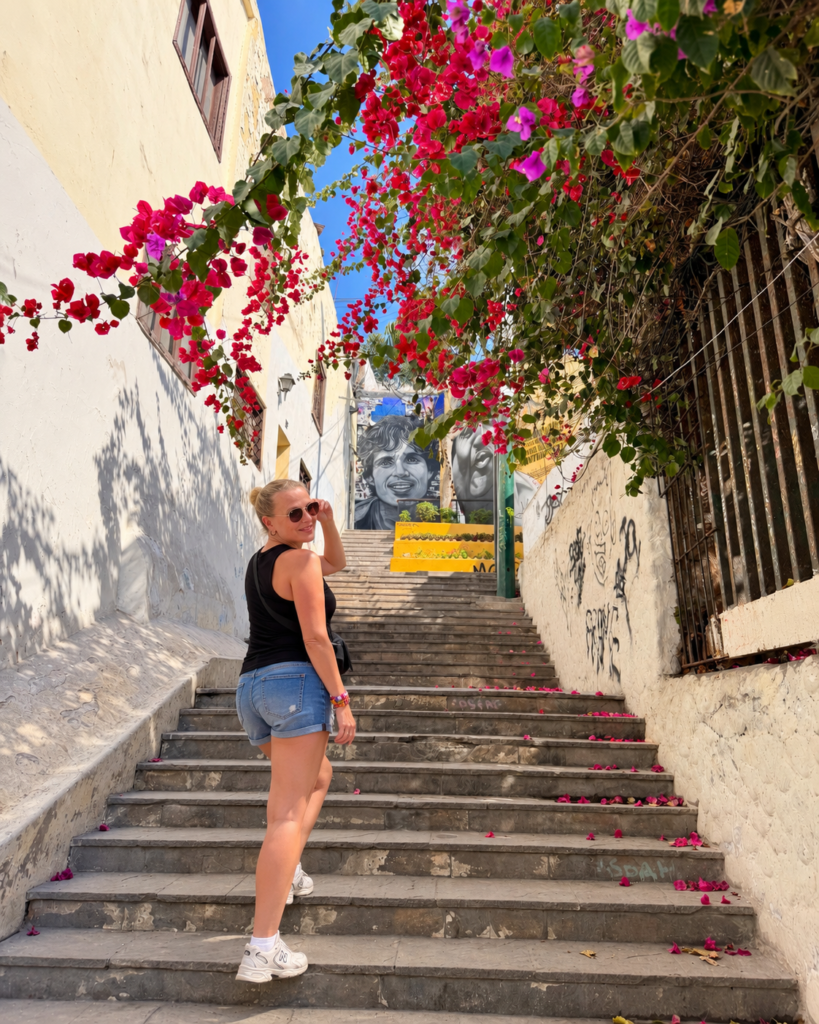
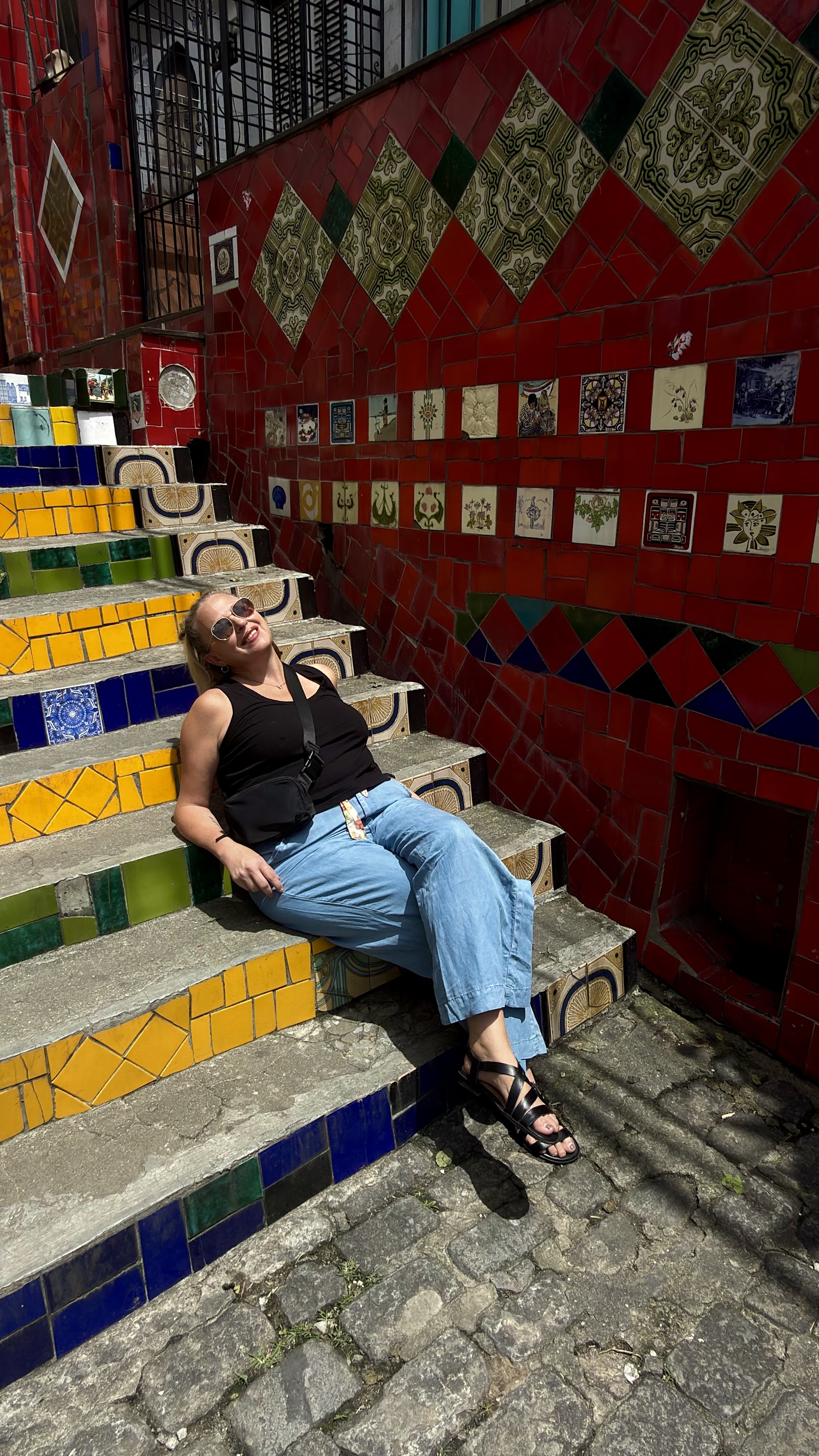
Rio de Janeiro was another destination that made me nervous, and for somewhat similar reasons. Like many people, I’d heard a considerable amount about crime and safety concerns in the city. Those concerns weren’t imaginary, and I knew it would be important to understand the risks associated with the areas and activities I was considering.
But Rio also offered a collection of experiences I genuinely wanted to have. Beyond its famous landscapes, I was interested in the city’s neighbourhoods, architecture, culture and the everyday life that exists outside the images people usually associate with it.
What I didn’t want was to let either extreme determine my expectations. I wasn’t interested in arriving convinced that every situation would be dangerous, but I also didn’t want to assume that because the city was a popular travel destination, there was nothing I needed to worry about.
I approached the experience by researching practical information, considering where I would stay and paying attention to the transportation and activities I chose. As with Egypt, I found it more useful to think about particular situations rather than allowing a destination’s general reputation to make every decision for me.

I’ve learned that curiosity and caution can exist comfortably alongside each other. I can be excited about a destination while taking its challenges seriously, and I can choose to explore something with a guide or other travellers without feeling that I’m somehow failing at independent travel.
That last point was an important realization for me. When people talk about solo travel, there’s sometimes an assumption that independence means doing absolutely everything without assistance. I don’t agree with that. Being capable of making your own decisions includes knowing when an experience would be more enjoyable or practical with someone else.
I can travel independently, make my own arrangements and still decide that I would prefer company for a particular activity. Sometimes that choice is about safety, sometimes it’s about learning from somebody with local knowledge, and sometimes it’s simply because sharing an experience sounds like fun.
I don’t need to prove that I’m fearless to enjoy the freedom of travelling alone.
One of the things that has helped me most is understanding the difference between preparing for a destination and attempting to control the entire experience. I can’t predict everything that will happen while travelling, but I can make informed decisions about the things that are reasonably within my control.
Before visiting somewhere unfamiliar, I generally begin by researching the destination. I look at current government travel advisories, read about the areas I’m interested in and consider the cultural expectations that might affect how I dress, interact with people or move around independently.
Official resource: Government of Canada Travel Advice and Advisories →
I also pay close attention to accommodation, particularly when I’m arriving somewhere for the first time. I want to understand the surrounding neighbourhood, the transportation options and whether other travellers have reported consistent concerns about the property or its location.
An inexpensive room isn’t necessarily a good deal if it leaves me feeling uncomfortable or requires complicated transportation every time I want to explore. I’ve become more willing to prioritize convenience, security and the level of comfort I need, especially when I’m travelling independently.
Before travelling somewhere unfamiliar, I like to plan how I’ll get from the airport or station to my accommodation. I save essential details so I can access them offline and check that my phone will work when I arrive. Whenever possible, I also book my transport in advance through GetTransfer.
You can use GetTransfer to arrange airport transfers, long-distance journeys, cab rides, hourly chauffeured car hire, and delivery services. Explore their services here: https://gettransfer.tpm.li/kJG8WndQ
These arrangements aren’t particularly glamorous, but they make a significant difference when I’m tired after a journey and need to find my way somewhere new. Having a basic understanding of what to expect gives me more freedom to appreciate the experience instead of spending all my energy solving avoidable problems.
Reliable mobile data is another consideration I’ve come to appreciate. I’ve navigated situations involving twelve different languages during my travels, and being able to access maps, translation tools and booking information has been enormously useful.
I certainly don’t speak all twelve languages, and I’d be considerably less comfortable managing some everyday situations without access to practical tools that help me understand where I am and what I need to do.
Stay connected: Affiliate Holafly →
Preparation doesn’t mean I’ll never encounter something unexpected. Plans change, information can be incomplete and unfamiliar environments sometimes require more patience than I’d anticipated. But I feel more comfortable managing those situations when I’ve already taken care of the basic arrangements and know where to find help if I need it.
The goal isn’t to eliminate uncertainty. It’s to make sure uncertainty doesn’t automatically become a reason to abandon an experience that interests me.
One of the unexpected pleasures of travelling independently has been discovering how many opportunities there are to meet people. I originally imagined that travelling solo would involve spending considerably more time on my own, and while I certainly enjoy that freedom, I’ve also developed friendships and shared experiences I could never have planned.
I’ve met people in social hostels, through activities and during ordinary conversations that began because somebody happened to be nearby. There have been occasions when another traveller and I have admitted that we’re both nervous about visiting a particular place and decided to explore it together.
Those experiences have changed my understanding of independence. I used to associate being capable with managing things myself, particularly after years of working in a professional role where other people regularly depended on my decisions and judgment. But travelling has taught me that asking for assistance or choosing to share an experience doesn’t diminish my abilities.

In fact, I think there’s considerable confidence involved in recognizing what you need and making arrangements that suit the circumstances. Sometimes that means exploring independently, while other times it means joining an organized activity or spending the day with somebody whose interests overlap with mine.
I enjoy cultural experiences, historical walking tours and opportunities to learn about the places I’m visiting. I’ve used GetYourGuide when I want to explore somewhere with a knowledgeable guide, particularly if I’d prefer additional structure or company.
What I appreciate about organized experiences is that they can make unfamiliar destinations more accessible while also providing opportunities to meet people with similar interests. I can learn about a place, ask questions and enjoy the company of others without having to organize every detail myself.
Sometimes an activity ends and everybody goes their separate ways. Other times, a conversation develops into a friendship or leads to another shared experience. I’ve learned to enjoy those possibilities without expecting every interaction to become a lasting relationship.
I’ve written more about the friendships I’ve developed while travelling, including people I’ve met in Nicaragua, Bolivia and across South America, in another article about how I connect with people on the road.
Related read: How I Meet People While Travelling Solo →
Some of those encounters have influenced my writing and changed my perspective in ways I never could have anticipated. What began as a journey to experience different countries has also become an opportunity to connect with people whose backgrounds, ideas and lives are very different from my own.
That has been one of the most rewarding discoveries of travelling independently, and it certainly isn’t something I could have planned in advance.
Recommended experience: Explore Guided Tours & Activities on GetYourGuide →
When I reflect on the changes I’ve experienced over the past year, I realize that my biggest fear wasn’t necessarily navigating unfamiliar destinations or travelling somewhere alone. Those things made me nervous, certainly, but they were relatively practical concerns that I could research and learn to manage.
The more significant fear involved losing my sense of identity.
I’d spent most of my adult life being needed by other people. I’d raised three children, built a career and taken on responsibilities that required me to be constantly available, productive and capable. My days were organized around what needed to be accomplished, and much of my understanding of who I was came from the roles I’d spent decades fulfilling.
By the time my children were grown and beginning lives and families of their own, I had also reached a point in my career where I’d accomplished much of what I’d spent years working toward. I was proud of those achievements, but I was beginning to wonder who I was outside of them.
I knew how to be a mother, a professional and a CEO. I knew how to take care of people, solve problems and manage the expectations that came with those roles. What I didn’t fully understand was how I wanted to live when my daily responsibilities were no longer the primary things determining what I did with my time.
Travelling independently forced me to consider those questions in a much more immediate way. I was suddenly making decisions based on what interested me, rather than what needed to be accomplished for somebody else. I could choose where to go, how long to stay and what I wanted to experience without organizing everything around another person’s schedule.
That freedom was extraordinary, but it was also unfamiliar. There were moments when I felt uncomfortable having so few demands placed upon me, almost as though I should be doing something more productive or responsible with my time.
I’d spent years believing that being busy, useful and needed were important measures of whether I was living successfully. Stepping outside that familiar environment meant learning to appreciate experiences that didn’t necessarily produce an accomplishment I could measure.
I could spend an afternoon wandering through a historic neighbourhood because I found it interesting. I could enjoy a coffee while watching ordinary life unfold around me, or decide that I needed a quiet day without feeling obligated to explain why.
That was a very different kind of independence from managing an organization or making difficult professional decisions. I was learning to make room for my own curiosity, interests and happiness, even when they weren’t connected to a responsibility or expected outcome.
I’ve written about the larger process of questioning the life I’d worked so hard to build and how complicated it felt to appreciate my professional achievements while wanting something different for my future.
Related read: What Happens When the Life You Worked For Isn’t the Life You Want Anymore →
I think that’s part of why this journey has been so meaningful. It hasn’t simply taught me that I can travel independently. It’s helped me discover who I am when I’m not constantly organizing my life around the needs and expectations of other people.
Another significant change has been becoming comfortable spending time alone without feeling that something is missing.
I love meeting people, and some of my favourite travel memories involve unexpected friendships and conversations with people whose paths have crossed mine along the way. But I’ve also discovered how much I enjoy having the freedom to explore independently.
I can spend hours wandering through a neighbourhood, photographing architecture, visiting historical sites or finding somewhere interesting to stop for coffee. I don’t need to negotiate how long we’re staying somewhere or worry about whether somebody else would prefer to be doing something different.
For somebody who spent much of her adult life being responsible for other people, that freedom has been a surprisingly valuable part of travelling.
One of the simplest examples is eating alone. I can now walk into a restaurant, ask for a table for one and enjoy the experience without feeling awkward about the empty chair across from me. I can appreciate the food, observe the atmosphere and spend time thinking without needing another person to make the occasion feel worthwhile.

That doesn’t mean I never feel lonely. I miss my family, familiar surroundings and the predictability of my previous life, and there are moments when travelling continuously becomes tiring. Sometimes I would love to have a permanent home where my belongings stay in one place and I don’t need to think about another departure.
But I’ve learned that feeling lonely occasionally isn’t the same thing as being unhappy with my decision to travel independently. I can miss particular aspects of my previous life while genuinely appreciating the freedom and experiences of this one.
I’ve explored that contradiction in more detail in my article about what full-time travel actually looks like when it becomes your everyday reality, including the practical challenges, homesickness and occasional fatigue that don’t always appear in travel photographs.
What has surprised me is that becoming comfortable alone has actually made it easier to connect with other people. I no longer approach every social situation feeling that I need to find company in order to enjoy myself.
If someone nearby seems interested in a conversation, I’m happy to say hello or make a casual comment. If not, I’m equally content to continue enjoying whatever I was doing. I don’t need every interaction to develop into a friendship, and I don’t feel that an afternoon spent entirely by myself is somehow less meaningful than one shared with other people.
That’s a kind of confidence I didn’t expect to develop through travelling, but it’s become one of the things I value most about this chapter of my life.
There’s an assumption that if you’re going to make an adventurous decision, you’re supposed to do it while you’re young. We see plenty of stories about people taking gap years, backpacking before university or exploring the world before settling into careers and family responsibilities.
I understand why those experiences appeal to younger travellers, but I also think there’s something rather limiting about the idea that curiosity, adventure and significant personal change belong to a particular stage of life.
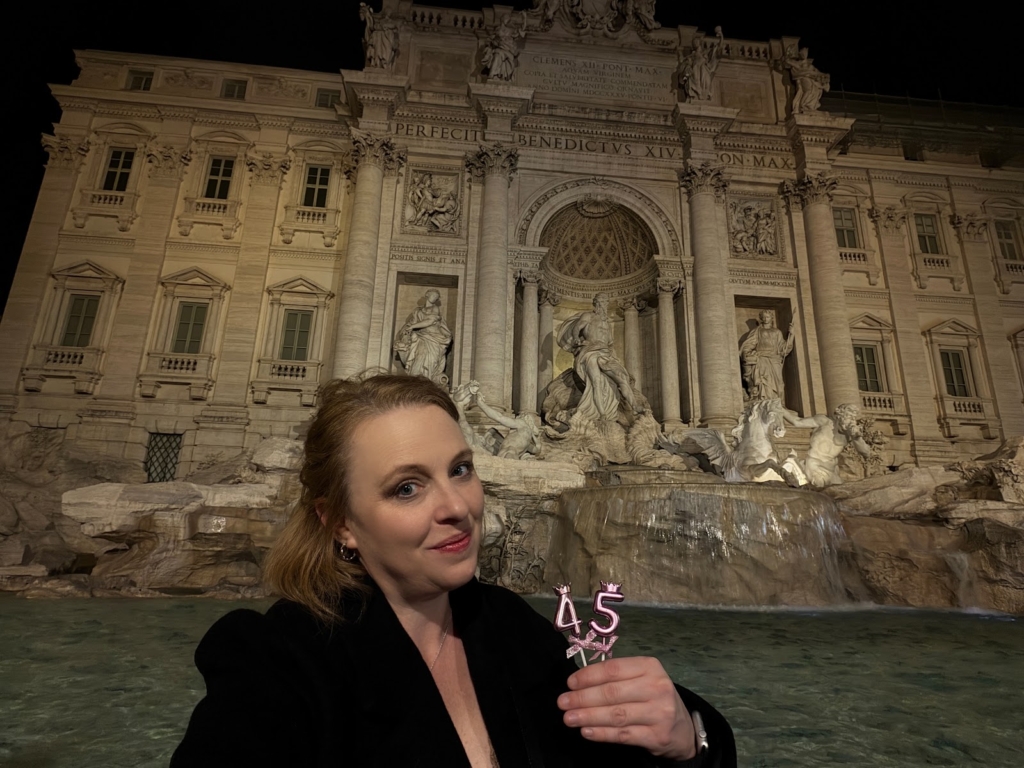
I began this chapter after raising three children, earning my degrees and building a successful career. I was 45 when I made the decision, around my birthday in Rome, that I didn’t want to return to the professional life I’d originally planned to resume after three months of annual leave.
There was an enormous amount of history behind that decision. I had decades of experiences, responsibilities and accomplishments that had shaped the way I understood myself and the world. I wasn’t beginning adulthood or trying to figure out what career I wanted to pursue; I was reconsidering what I wanted from life after spending years working toward goals I’d already achieved.
The practical considerations were different, too. Leaving a successful career meant giving up an established income and a degree of security I’d worked hard to create. I had to think carefully about my finances and how I might eventually build a sustainable way of supporting myself while continuing to travel.
I don’t think making that decision at 45 was necessarily easier or harder than it would have been at 25. It was different because I was different, and I brought a collection of experiences and abilities that I wouldn’t have possessed when I was younger.
Those experiences have helped me navigate unfamiliar situations, but they’ve also made me more aware of the value of my time. I’m interested in exploring the world, learning about other cultures, writing and developing parts of myself that didn’t always receive much attention while I was building my career.
I also don’t feel particularly compelled to prove that I can travel in the same way as someone who’s twenty years younger. I appreciate comfortable accommodation, slower itineraries and having enough time to enjoy a destination without rushing through every attraction.
I’ve become increasingly interested in finding a balance between independence, cultural exploration, meaningful connections and the ordinary comforts that make full-time travel sustainable.
You can read more about how that decision began during my birthday trip to Rome, including the unexpected tattoo that eventually became the philosophy behind Mia Without Borders.
Related read: The Birthday in Rome That Changed the Direction of My Life →
What I’ve come to appreciate is that making a significant change in midlife doesn’t require pretending the previous decades didn’t happen. My family, education and career are still part of who I am, and the abilities I’ve developed through those experiences continue to be useful.
I’m simply discovering that there are other things I want to experience, and I don’t believe being in my forties is a particularly good reason to stop exploring them.
If you’re thinking about taking your first solo trip but keep postponing it because you don’t feel confident enough, I’d begin by asking yourself what specifically concerns you.
Are you worried about safety, getting lost, navigating an unfamiliar language or managing an unexpected problem without somebody beside you? Those concerns deserve practical consideration, and many can be made more manageable through research, preparation and choosing a destination that suits your comfort level.
Perhaps you’re worried about feeling lonely, eating alone or not knowing how to meet people. Those experiences can feel unfamiliar at first, but there are ways to create opportunities for connection without making the entire trip dependent on finding company.
Or perhaps the fear is more complicated. You might be accustomed to organizing your life around family, work or other responsibilities, and the idea of travelling independently feels uncomfortable because you’re not used to making decisions entirely for yourself.
I’ve experienced elements of all those concerns, and I don’t believe you need to eliminate them completely before travelling.
I would begin with an experience that feels manageable. It doesn’t have to be a complicated international itinerary or a destination that makes you particularly nervous. A few days in a city you’ve always wanted to explore can be a wonderful opportunity to discover how you feel about travelling independently.
Choose accommodation that makes you comfortable, arrange your arrival transportation and consider booking one or two activities that genuinely interest you. Give yourself enough structure to feel prepared while leaving time to explore, rest and make decisions based on what appeals to you once you’ve arrived.
I’ve put together a practical guide covering the arrangements I’d recommend for your first solo adventure, including choosing a destination, budgeting, booking accommodation and preparing for your arrival.
Related read: How to Plan Your First Solo Trip: A Practical Step-by-Step Guide →
I would also encourage you to resist the temptation to judge your experience by whether you feel confident every moment. You might be nervous when you arrive, a little uncomfortable eating alone or uncertain about how to navigate somewhere unfamiliar.
Those feelings don’t automatically mean you’ve made a mistake or that independent travel isn’t for you. They may simply mean you’re learning to do something new, and becoming comfortable with an unfamiliar experience often takes time.
At the same time, you should always give yourself permission to change a plan if circumstances genuinely warrant it. Confidence isn’t a requirement to ignore your instincts, dismiss safety concerns or continue with an experience that’s making you uncomfortable for legitimate reasons.
I think one of the most useful abilities you can develop is learning how to evaluate a situation, make an informed decision and accept that you don’t need to prove anything to anybody else.
If a guided tour makes an experience more enjoyable, book one. If you’d rather spend the afternoon exploring with another traveller, enjoy the company. And if you’d prefer to spend a quiet evening in your hotel room, there’s nothing wrong with that either.
The point of travelling independently is having the freedom to make those decisions yourself, not meeting somebody else’s expectations about how adventurous you should be.
After almost thirty countries, I still encounter situations that make me nervous. There are destinations I want to visit that require additional research, unfamiliar transportation arrangements that take time to understand and moments when I find myself wishing I already knew exactly how everything worked.
I’ve also experienced homesickness, loneliness and periods when the continuous movement of full-time travel feels tiring. I miss familiar surroundings sometimes, and I occasionally wonder what my future will look like as I continue working toward a sustainable income from writing and the other projects I’m developing.
None of those things has disappeared simply because I’ve travelled extensively or become more comfortable navigating unfamiliar places.
What has changed is my relationship with uncertainty. I no longer assume that feeling nervous means I’m incapable of managing the experience, and I don’t expect myself to have every answer before I begin.
I’ve learned to research, prepare, ask questions and make decisions based on the circumstances in front of me. Sometimes that means proceeding with something that initially made me uncomfortable, and other times it means adjusting my plans because I’ve discovered a better or safer alternative.
I’ve also become more comfortable recognizing when I’d like company, when I need some time alone and when I simply want to enjoy a destination without feeling obligated to accomplish anything in particular.
Perhaps the most significant change has been discovering that I can live outside the roles that defined so much of my adult life. I can still be enormously proud of being a mother and a former CEO while exploring interests that belong entirely to me.
I can appreciate everything I’ve accomplished without feeling obligated to spend the years ahead following exactly the same path. And I can make decisions about my future without needing them to fit the version of success I was taught to pursue when I was younger.
When I look back at the places that frightened me before I arrived, particularly Egypt and Rio de Janeiro, I’m glad I gave myself the opportunity to experience them with appropriate preparation and realistic expectations. They didn’t magically eliminate my fears, but they contributed to a growing collection of experiences that have changed what I believe I’m capable of doing.
I wouldn’t claim that travelling alone has made me fearless, and I don’t think that’s the measure of whether I’ve become more confident. I’m still curious, occasionally anxious and very much aware that there are things I haven’t yet learned how to manage.
But I trust myself more than I did when I began. I know that I can navigate unfamiliar situations, make sensible decisions, connect with people and appreciate my own company, even when the experience doesn’t unfold exactly as I’d imagined.
And I think that’s what I would most like somebody considering their first solo adventure to understand. You don’t necessarily have to become the most confident version of yourself before you begin exploring the world.
Sometimes the experiences you have along the way are what teach you to trust the person you already are.
Affiliate disclosure: This article contains affiliate links. If you book or purchase through them, I may earn a small commission at no additional cost to you.

4 Responses