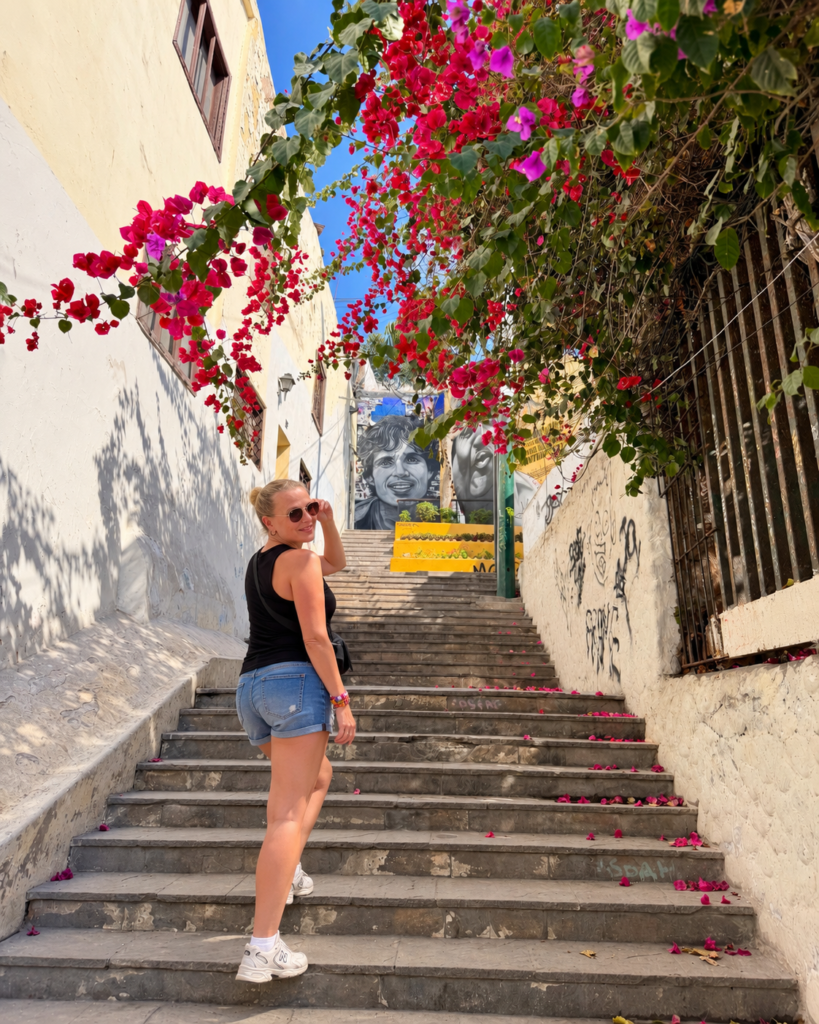


Your first solo adventure doesn’t need to be overwhelming. From choosing a destination and finding somewhere comfortable to stay to navigating a new city and feeling confident in your own company, here’s how to plan your first solo trip and actually enjoy it.
There’s a moment when you’re considering your first solo trip and realize that if you really want to go, you’re probably going to have to make it happen yourself. You could continue waiting for someone’s vacation dates to line up with yours, hoping a friend suddenly develops an interest in the same destination or trying to coordinate everybody’s budgets and preferences. Or you could begin considering the possibility that you don’t actually need anyone else to go with you.
For some people, that sounds wonderfully liberating. For others, the prospect of travelling alone introduces an impressive collection of questions about safety, loneliness, logistics and whether they’ll actually enjoy the experience. I understand why those concerns can feel intimidating, particularly when you’ve spent much of your adult life organizing your days around other people’s needs rather than making decisions entirely for yourself.
I now travel full-time, mostly solo, and over the past year I’ve travelled through almost thirty countries while navigating situations involving twelve different languages. I’ve figured out unfamiliar transportation systems, explored destinations I was initially frightened to visit and met extraordinary people whose lives are completely different from my own. I’ve also learned that no amount of professional experience or general competence automatically prepares you for every situation you’ll encounter somewhere unfamiliar.
What I love most about solo travel is the freedom to experience a destination on my own terms. I can spend hours wandering through a historic neighbourhood, change my plans because I’ve discovered somewhere interesting or enjoy an afternoon in a café without worrying whether somebody else is getting bored. That independence has become one of the most rewarding parts of my journey, but I’ve also learned that it becomes considerably more enjoyable when you take care of the important practical details beforehand.
Planning your first solo trip isn’t about organizing every moment or attempting to eliminate every possible uncertainty. It’s about preparing well enough that you can arrive somewhere new, feel reasonably comfortable and give yourself the opportunity to enjoy the experience.
These are the twelve steps I’d recommend if you’re ready to begin planning your own adventure.
Before opening twenty browser tabs and comparing flights, I’d begin by considering what you actually want your first independent travel experience to feel like. It’s surprisingly easy to become distracted by beautiful photographs, popular destinations and other people’s recommendations without stopping to think about whether those experiences are particularly appealing to you.
Perhaps you’d love to spend a few days wandering through historic streets, visiting museums and discovering lovely neighbourhood cafés. Maybe you’re more interested in relaxing somewhere near the ocean, participating in cultural activities or meeting other travellers. You might simply want a few days away from your usual responsibilities, with the freedom to decide what to do without consulting anyone else.
All of those are perfectly good reasons to travel alone, and none requires you to become a particularly adventurous person overnight.
One of the things I’ve come to appreciate most about independent travel is that I no longer have to negotiate every decision. After raising three children and spending years in a demanding career, having the freedom to organize an entire day around my own interests has been a meaningful adjustment. I love architecture, history, photography, local food and discovering the ordinary details of life in places I’ve never visited before. I can happily spend hours exploring a city on foot, but that doesn’t mean your ideal adventure needs to look anything like mine.
You don’t need to backpack across six countries, stay in a hostel or follow an itinerary filled with activities to prove that you’re capable of travelling independently. A comfortable hotel in a beautiful city you’ve always wanted to visit can be a wonderful first solo experience, particularly if your goal is simply to discover how you feel about exploring somewhere on your own.
I’d suggest identifying one or two things you want most from the trip before making any reservations. Once you understand what would make the experience enjoyable for you, choosing the destination, accommodation and activities becomes considerably easier.
Your first solo trip doesn’t need to involve flying halfway around the world or visiting somewhere that requires complicated logistics. In fact, beginning with a relatively straightforward destination can give you the opportunity to enjoy travelling independently without spending the entire experience trying to figure out how everything works.
I’d look for somewhere with reliable transportation, accommodation within your budget, activities that genuinely interest you and neighbourhoods that are practical to explore. It’s also worth considering the local language, cultural expectations, climate and how comfortable you feel navigating unfamiliar places.
If international travel feels intimidating, a few days in another city within your own country can be an excellent starting point. You can experience the independence of solo travel without simultaneously dealing with immigration requirements, unfamiliar currencies or significant language barriers.
Another possibility is returning alone to somewhere you’ve previously visited with family or friends. Having some familiarity with the destination can reduce the number of new things you need to figure out while still allowing you to experience the freedom of travelling independently.
I would also think about the kind of environment that makes you happy. If you enjoy museums, architecture and cafés, a walkable city with an interesting historic centre might be ideal. If your priority is meeting people, look for destinations with organized activities and social accommodation. If you’re hoping to relax, choose somewhere that doesn’t make you feel obligated to spend every day rushing between attractions.
Safety is an important consideration for any traveller, but particularly when you’re visiting somewhere alone for the first time. I’d recommend checking current government travel advisories, researching the neighbourhoods you’re considering and reading recent experiences from travellers who have visited under similar circumstances.
For Canadian travellers, the Government of Canada’s Travel Advice and Advisories is a useful starting point at https://travel.gc.ca/travelling/advisories. U.S. travellers can consult the Department of State’s destination information at https://travel.state.gov/. Other nationalities should check the official guidance relevant to their citizenship.
I’ve travelled to destinations that genuinely frightened me before I arrived because of everything I heard and was told, particularly Egypt and Rio de Janeiro. Those experiences taught me that a country’s reputation doesn’t necessarily tell you everything about what you’ll encounter, but they also reinforced the importance of taking genuine risks seriously. The goal is to understand the situation well enough to make informed decisions rather than relying entirely on alarming stories or assuming that a popular destination must be safe.
I’ve written more about those experiences and the process of developing confidence through travel in another article.
Related read: Going Solo Before You Feel Ready: What I Learned About Waiting for Confidence →
For your first trip, I’d choose somewhere you’re excited to visit and where the practical arrangements feel manageable. There will be plenty of opportunities to explore more challenging destinations once you’ve gained some experience and confidence.
One of the easiest ways to make your first solo trip unnecessarily stressful is to try to visit too many places in too little time. I understand the temptation because once you start researching a destination, it’s amazing how quickly the list of interesting places grows.
But moving between destinations means arranging more transportation, checking into different accommodations, managing luggage and spending time figuring out how to get from one place to another. Those things can become exhausting even when you’ve been travelling for months.
For a first solo adventure, I’d generally recommend spending approximately three to five nights in one destination. That gives you enough time to arrive, settle in, explore and discover how you feel about travelling independently without turning the trip into an endless collection of logistical arrangements.
If you have a week available, you could extend your stay or consider adding a nearby destination once you’re comfortable with the transportation. Personally, I’ve become increasingly fond of slower travel because I enjoy having enough time to understand a neighbourhood, revisit somewhere I particularly liked and explore without constantly thinking about the next departure.
This isn’t intended to become another schedule you’re obligated to follow. The purpose is to create enough structure that you feel comfortable while leaving room for whatever interests you once you’ve arrived.
One of the loveliest things about travelling alone is being able to change your mind without having to consult anybody. If you wake up on the fourth day and decide you’d rather spend the afternoon in a café than visit another museum, there’s absolutely nothing wrong with that.
Solo travel has some wonderful advantages, but splitting expenses usually isn’t one of them. When you’re travelling with another person, you can often share accommodation, transportation and other costs. When you’re travelling independently, you’re generally responsible for those expenses yourself.
That doesn’t mean solo travel needs to be expensive. It simply means that understanding your budget before booking is especially important.
I approach travel expenses by considering the overall cost of a destination rather than looking at one attractive price in isolation. A cheap hotel might become an expensive choice if it’s located far from everything you want to see, while a slightly more expensive flight might save you the cost of an additional hotel night or a long journey.
When planning your first solo trip, I’d estimate your expenses using the following categories:
I’d also recommend keeping additional funds available for unexpected situations. You might need to change accommodation, arrange alternative transportation or adjust your plans because something isn’t working out as expected. For a short trip, an additional planning buffer of perhaps 10–20% of your estimated expenses can be useful, although you should have enough emergency resources to cover more serious circumstances as well.
Having financial flexibility is particularly valuable when you’re travelling alone because you don’t want to feel obligated to remain in an uncomfortable situation simply because you’ve already spent money on it.
At the same time, don’t assume that you need to spend money constantly to enjoy a destination. Some of my favourite experiences involve exploring interesting neighbourhoods, finding lovely cafés, admiring architecture and observing everyday life. Those activities often cost very little, and they can be considerably more memorable than an expensive attraction you visited simply because everybody said you should.
Where you stay can have an enormous impact on your first solo travel experience, and I’m not simply talking about whether the room looks beautiful in the photographs.
When I research accommodation, I pay attention to location, security, cleanliness, transportation options and the overall atmosphere. I also think about what I need from the property, because somewhere that works perfectly for a short holiday may not necessarily be ideal for a longer stay or a trip where I expect to work.
For your first solo adventure, I’d prioritize a convenient neighbourhood, dependable check-in arrangements and recent reviews from other travellers. Look for recurring comments about the surrounding area, staff helpfulness, noise, security and whether the accommodation lives up to its description.
A hotel can be a comfortable choice if you value privacy, your own bathroom and having reception staff available to answer questions or assist with arrangements. If you’re nervous about arriving somewhere unfamiliar, knowing that somebody will be available at reception can be reassuring.
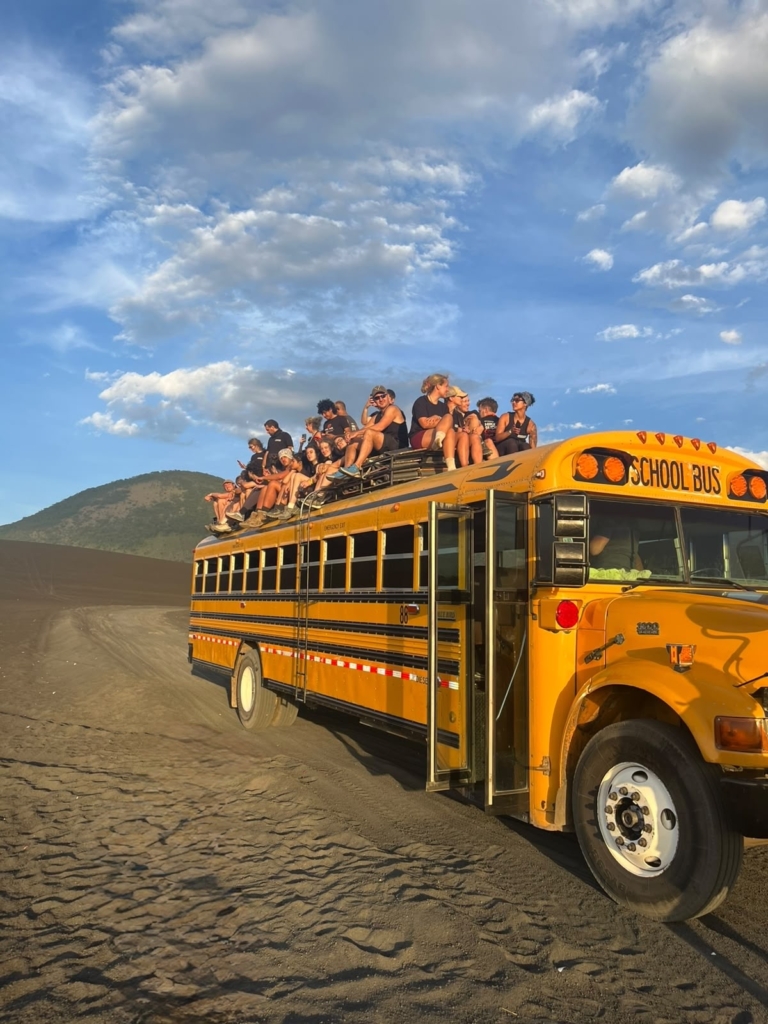
Hostels offer a different experience, particularly if you’d like opportunities to meet people. I’ve had some wonderful experiences staying in social hostels, including Bigfoot Hostel in Nicaragua, where I particularly enjoyed the welcoming atmosphere and the effort made to involve guests in activities.
Many hostels also offer private rooms, which can be a good compromise if you want the social atmosphere without necessarily sharing a dormitory. I’d pay attention to whether the property is described as a party hostel or somewhere more relaxed because those can be very different experiences.
Private apartments and vacation rentals can also be suitable, particularly if you’d like kitchen facilities or additional space. For a first solo trip, however, I’d carefully consider building access, security and the reliability of the check-in process, especially if you expect to arrive late.

Whatever accommodation you choose, I would book at least your arrival nights before leaving home. It’s much easier to settle into a new destination when you already know where you’re going to sleep and how to get there.
Accommodations: Search Solo-Friendly Hostels & Stays on Hostelworld →
I wouldn’t recommend choosing somewhere simply because it has the lowest advertised price. Consider the location, total cost and whether the property offers the level of comfort and security you need. Spending a little more on suitable accommodation can make an enormous difference to how relaxed you feel throughout the trip.
Of all the things you can arrange in advance, I’d put your arrival near the top of the list. Arriving in an unfamiliar city is considerably more comfortable when you already understand how you’re getting from the airport or station to your accommodation.
Imagine arriving after a long journey, feeling tired and discovering that your phone isn’t connecting properly. You’re not entirely sure which transportation service to use, you don’t understand the local system and you still need to find your accommodation. None of those problems is necessarily extraordinary, but dealing with all of them at once can be overwhelming, particularly on your first solo trip.
Before leaving home, research the transportation options available from your arrival point. Check approximately what the journey should cost, whether your accommodation offers transfers and how to recognize legitimate taxis or transportation providers.
I’d also confirm the property’s check-in hours and what arrangements are available if your flight is delayed or you arrive earlier than expected. If you’re travelling internationally, make sure you understand whether you’ll need local currency immediately or whether your intended transportation accepts card payments.
Whenever practical, I’d recommend arriving during daylight hours, particularly if you’re unfamiliar with the destination. If a late arrival is unavoidable, consider arranging transportation through your accommodation or using an established airport transfer provider.
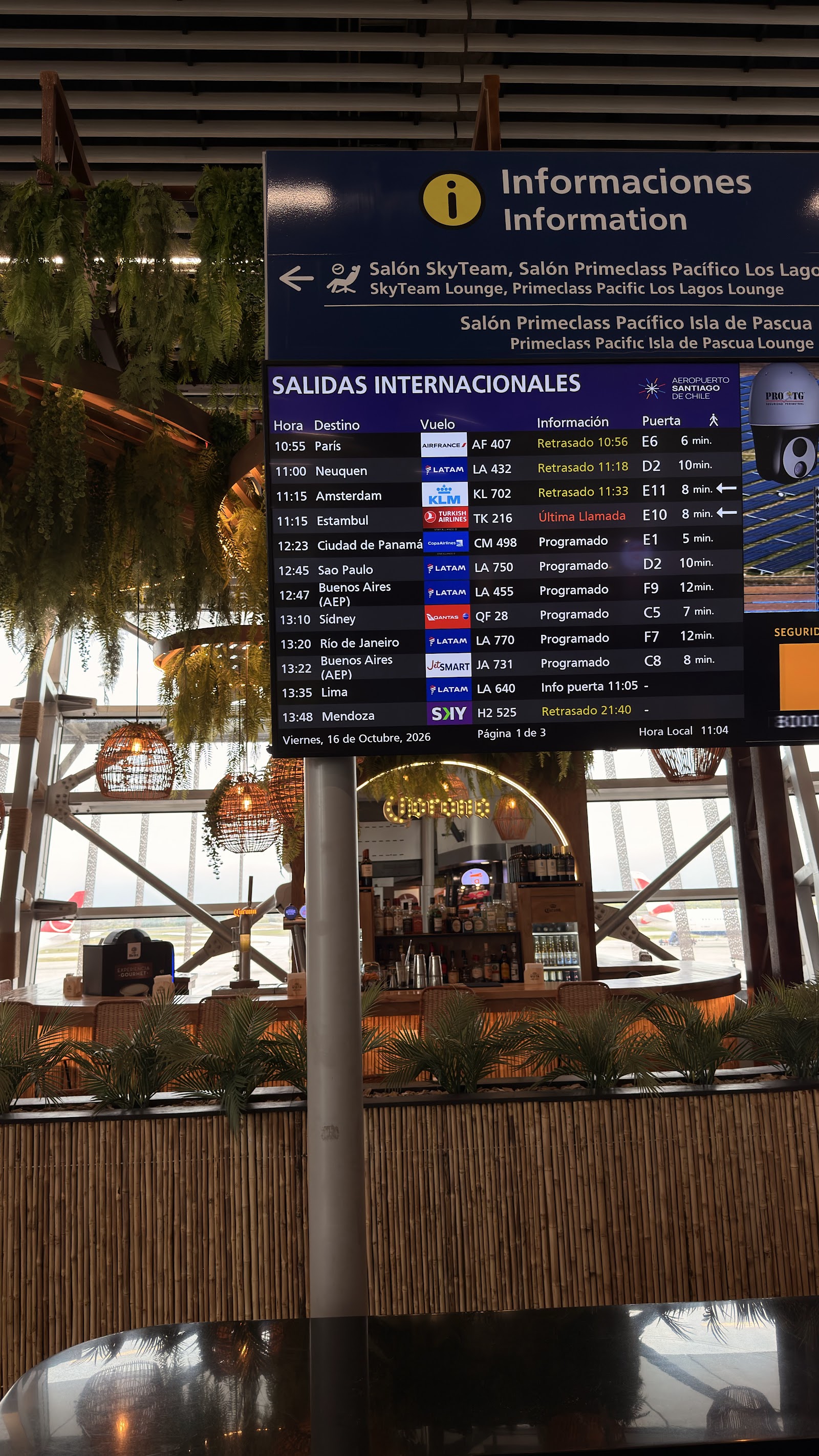
Save your accommodation’s complete address, contact information and booking confirmation somewhere you can access without an internet connection. I also suggest downloading an offline map of the area so you can understand where you’re going even if your mobile data isn’t working immediately.
A little planning can remove an enormous amount of uncertainty from arrival day, leaving you with more energy to enjoy the destination once you’ve settled in.
I can’t overstate how useful having reliable access to my phone has been while travelling independently. Between maps, translation apps, transportation bookings, accommodation confirmations and emergency contacts, it’s one of the most important practical tools I carry.
Over the past year, I’ve navigated situations involving twelve different languages, and I certainly don’t speak all of them. Being able to translate information, check directions and access travel details quickly has helped me manage countless unfamiliar situations.
Before travelling internationally, I’d recommend checking whether your existing phone plan includes roaming and what the charges will be. Depending on your device and destination, an international eSIM or local SIM card may be a more practical option.
I also prefer organizing connectivity before arriving somewhere unfamiliar whenever possible. Knowing that I’ll be able to access directions, contact my accommodation and look up information without immediately searching for a mobile phone shop makes arrival considerably easier.
Stay connected: Holafly eSIM →
If you decide to use an eSIM, confirm your phone is compatible, the coverage suits your destination and the package includes the services you’ll need. An eSIM designed primarily for data may not provide a local phone number or conventional calling service.
I’d also download an offline map and any relevant transportation applications before departure, along with a translation app that offers offline language support where available.
I wouldn’t recommend relying on one bank card or payment method while travelling alone. Cards can be lost, damaged or temporarily blocked, and having a backup stored securely somewhere separate can make an unpleasant situation considerably easier to manage.
It’s also useful to have secure digital copies of important documents, including your passport identification page, travel insurance information and accommodation confirmations. I prefer the principle of keeping important information accessible without leaving sensitive documents openly stored where somebody else could easily access them.
For international trips, verify the entry requirements associated with the passport you’re using. Visa rules, passport validity requirements, permitted lengths of stay and arrival documentation vary between countries, and those requirements can change.
Some countries require passports to remain valid for a specified period beyond your planned visit, while others have different rules. Don’t assume there’s one universal requirement, and don’t rely exclusively on travel blogs or social media when determining whether you’re legally permitted to enter a country.
The official immigration authority or relevant government guidance should always be your primary source for those details. It’s considerably easier to resolve a potential document problem before departure than when you’re standing at the airport check-in counter.
Travel insurance isn’t nearly as exciting as choosing a beautiful destination or planning an interesting cultural experience, but it’s something I’d strongly encourage you to research before an international trip.
Medical treatment abroad, unexpected cancellations, travel disruptions and lost belongings can become expensive, particularly when you’re somewhere unfamiliar and don’t have access to the services you’d normally use at home.
Insurance policies can differ significantly, so it’s important to understand what you’re purchasing rather than assuming every provider offers the same protection. Review the medical coverage, deductibles, exclusions, pre-existing medical condition provisions, trip-duration limits and whether your planned activities are included.
If you’re considering a longer trip or visiting several countries, make sure the policy is suitable for the full itinerary. Some policies have maximum trip lengths or restrictions that aren’t immediately obvious when you’re comparing prices.
Travel insurance: Explore Travel Medical Insurance with SafetyWing →
I’d also recommend having a basic emergency plan before departure. Share your general itinerary and accommodation details with somebody you trust, along with an understanding of how often you intend to check in.
Know the local emergency number and how to contact the appropriate embassy or consulate if necessary. Canadian travellers can also consider registering through the Registration of Canadians Abroad service, while eligible U.S. citizens can use the Smart Traveler Enrollment Program.
The purpose of this preparation isn’t to spend your entire trip worrying about what might go wrong. It’s to make sure you have useful options available if something unexpected happens.
Once you’ve organized transportation, accommodation and the essential practical details, you can turn your attention to what you’re actually looking forward to experiencing.
I love history, architecture, interesting neighbourhoods and cultural attractions, but I’ve learned that I don’t particularly enjoy having every minute of my day organized. Some of the most memorable parts of my travels have come from experiences I hadn’t planned, conversations with people I’ve just met or discovering somewhere interesting while wandering without a particular destination in mind.
For your first solo trip, I’d suggest choosing two or three activities that genuinely excite you. If something requires reservations or regularly sells out, arrange it in advance, but leave enough space in your itinerary to explore independently.
You might discover a neighbourhood you’d like to spend more time in, meet somebody who recommends an interesting restaurant or realize that you’d rather enjoy a leisurely afternoon than visit another museum.
One of the pleasures of travelling independently is being able to make those decisions without negotiating with anybody else.
If you’re concerned about spending your first few days entirely alone, joining a guided experience can be a lovely way to become familiar with a destination and potentially meet other travellers.
I’ve used GetYourGuide when I want to explore somewhere with a knowledgeable guide, particularly in destinations where I feel more comfortable having some structure. I enjoy learning about the history and culture of the places I visit, and organized activities can provide context I might not discover on my own.
Walking tours, food experiences, cooking classes and cultural workshops can also create natural opportunities for conversation. You’re all participating in something that interests you, so there’s already a reason to interact without having to invent an elaborate introduction.
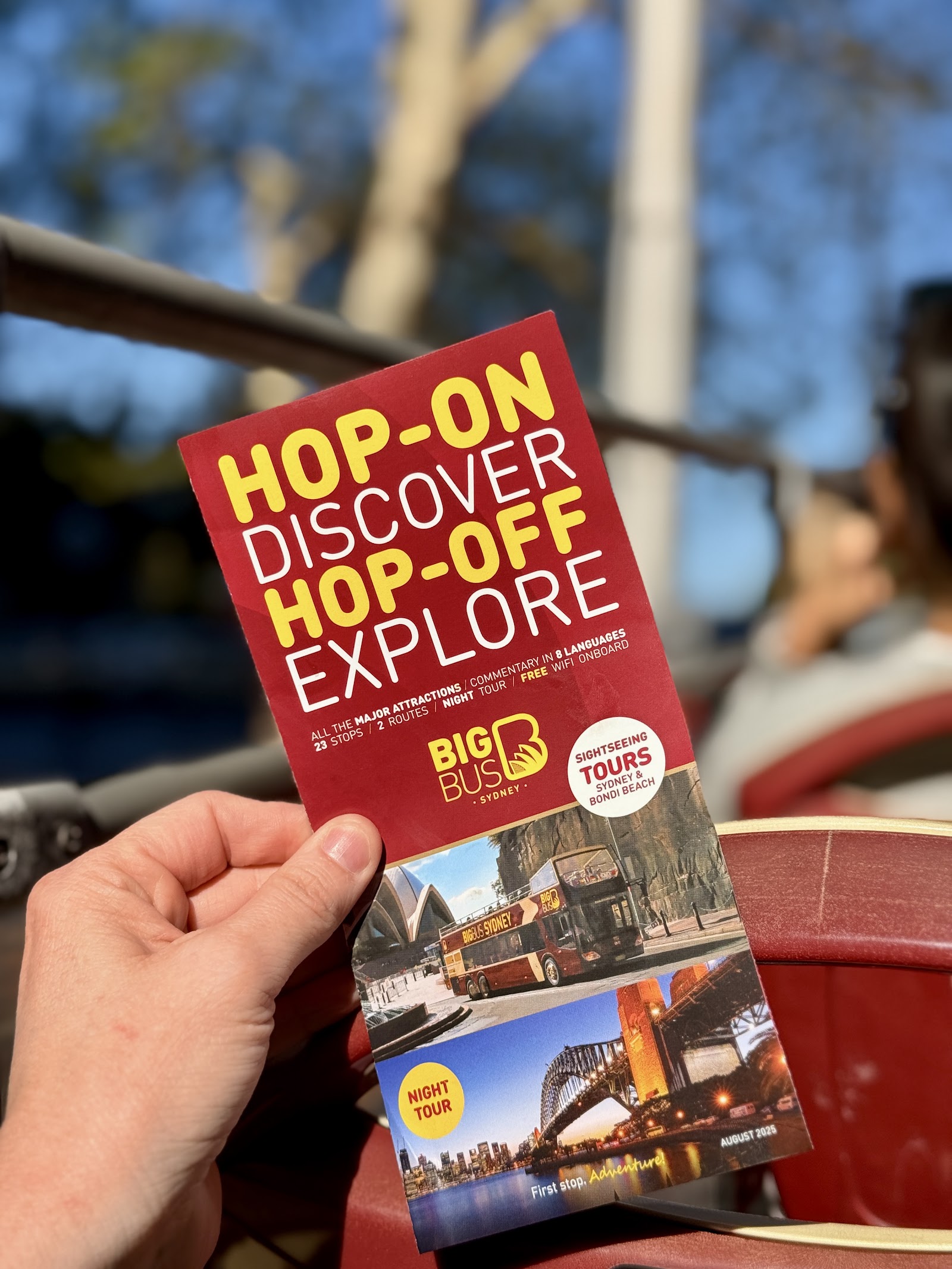
Recommended experience: Explore Guided Tours & Activities on GetYourGuide →
I’d choose something you’d genuinely enjoy rather than booking an activity simply because it might be social. Even if you don’t make a new friend, you should still have an enjoyable experience and hopefully learn something about the destination.
If you’re interested in how friendships develop while travelling independently, I’ve written about some of my own experiences, including social hostels in Nicaragua, salsa dancing in Cali and unexpected friendships that have continued across South America.
Related read: How I Meet People While Travelling Solo →
Safety is understandably one of the biggest concerns for people considering their first solo trip, particularly women who haven’t travelled independently before.
I don’t believe fear should automatically prevent us from exploring the world, but I also don’t believe there’s anything sensible about ignoring genuine risks. The approach that’s worked for me is doing enough research to make informed decisions, paying attention to my surroundings and remaining willing to change plans when circumstances require it.
Before travelling, look into the neighbourhoods you’re considering, transportation options, common scams, local customs and any current concerns affecting visitors. Once you’ve arrived, continue making decisions based on the actual circumstances rather than feeling obligated to follow an itinerary simply because you planned it in advance.
There are several practical habits I’d particularly recommend developing before your first solo trip.
I also think it’s worth remembering that sensible decisions sometimes cost more money. A reputable transfer, a different hotel or an alternative transportation arrangement might not be the cheapest option, but your safety and comfort are legitimate considerations when deciding how to spend your travel budget.
Over time, I’ve become considerably more confident navigating unfamiliar destinations, but that confidence hasn’t come from assuming everything will be fine. It’s come from experience, preparation and recognizing when I need more information, assistance or a different plan.
One of the questions people frequently ask about solo travel is whether it gets lonely, and I think it’s important to answer that without pretending the experience is always wonderful.
Yes, travelling alone can sometimes feel lonely. Even after many months on the road, I still experience moments of homesickness and occasionally wish I had familiar people around me. But I’ve also discovered that travelling independently can create extraordinary opportunities to meet people from different cultures, backgrounds and stages of life.
I’ve made connections in social hostels, through organized activities and during ordinary conversations with people whose paths happened to cross mine. Some friendships have lasted only a short time, while others have continued as we’ve travelled through different countries.
There have been occasions when another traveller and I have admitted that we’re both nervous about visiting somewhere unfamiliar and decided to explore it together. I’ve also met people who have influenced my writing and changed my perspective in ways I never could have predicted.
For me, the key has been creating opportunities for connection without feeling that I need to turn every interaction into a friendship.
If you’d like to meet people on your first solo trip, consider choosing social accommodation, joining a group activity or looking for opportunities connected to something you already enjoy.
I love dancing, particularly salsa and bachata, and I’ve taken opportunities to dance during my travels. Spending a week in Cali, Colombia, was an especially enjoyable experience, and participating in activities I genuinely love has been a wonderful way to connect with other people.
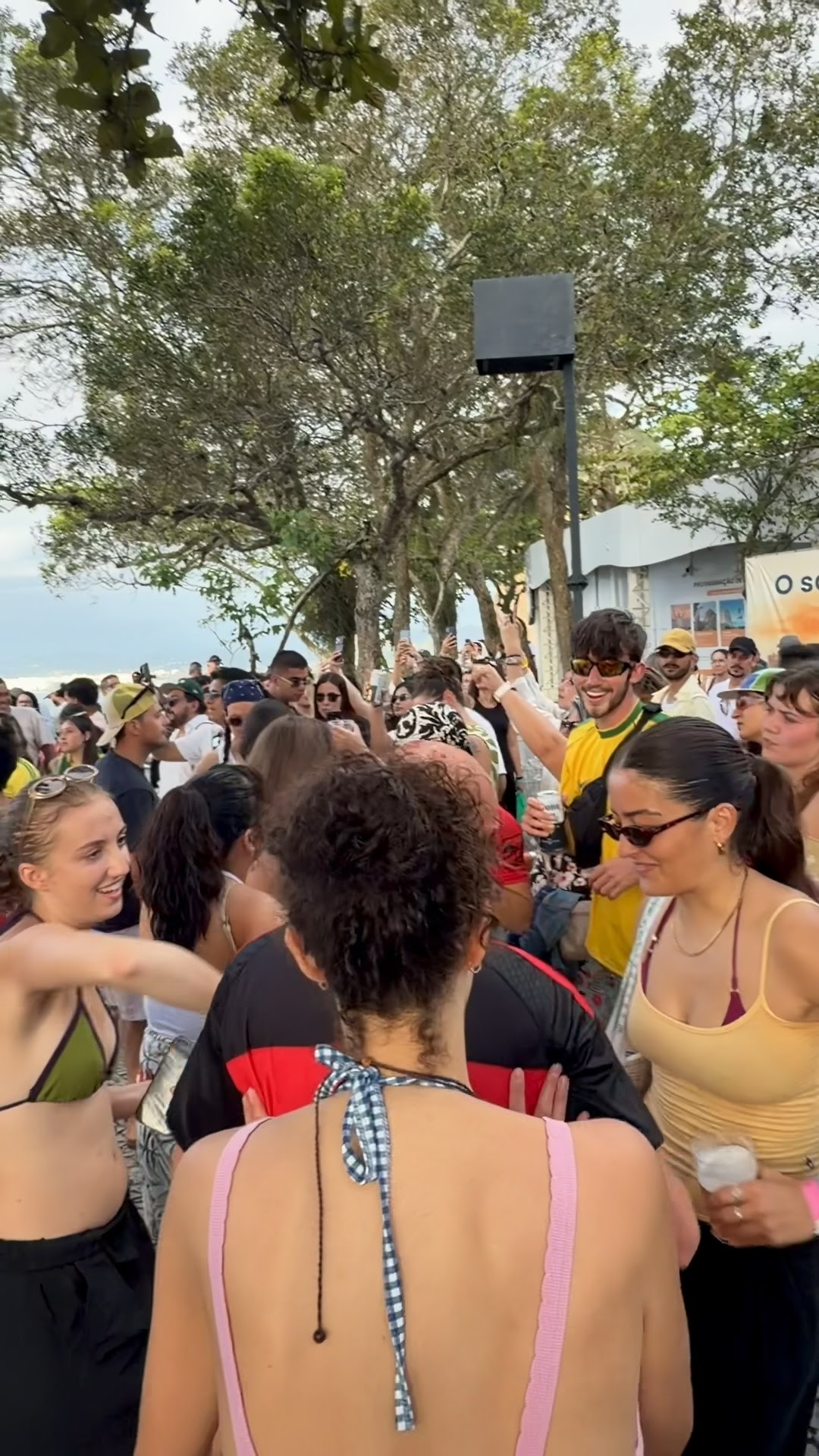
One of the most significant changes I’ve noticed in myself has been becoming comfortable enjoying a meal without somebody sitting across from me.
For much of my adult life, I was accustomed to taking care of other people and organizing my days around shared responsibilities. Travelling independently has given me the opportunity to become much more comfortable with my own company, and I’ve discovered that I can genuinely enjoy sitting in a restaurant alone.
If you’re nervous about that experience, I’d suggest beginning somewhere casual, such as a café, food hall or relaxed restaurant. Choose somewhere you’d genuinely like to visit, and give yourself permission to enjoy the atmosphere rather than worrying about whether anybody is paying attention to the fact that you’re alone.
You might enjoy bringing a book or sitting somewhere with an interesting view, but there’s no requirement to occupy yourself every second. I’ve found that becoming comfortable alone has actually made me more open to conversation because I no longer feel I need somebody else to make the experience worthwhile.
If the person nearby seems interested in talking, I’m happy to make a small comment and see where the conversation goes. If not, I’m equally comfortable continuing with my own meal.
That’s one of the freedoms I’ve come to appreciate most about solo travel: I can enjoy connecting with people without feeling that I need constant company.
In the days before departure, I’d review your travel arrangements one final time. Confirm your transportation and accommodation bookings, check your travel documents, review the weather and make sure you understand how you’ll reach your accommodation when you arrive.
I’d also suggest thinking carefully about what you actually need to pack. After months of living out of a suitcase, I can assure you that constantly packing, unpacking and searching for belongings becomes considerably less enjoyable than it might sound. Bringing less can make moving through airports, stations and unfamiliar cities much easier.
Free resource: Get Your Free Solo Travel Packing Checklist →
Once you’ve taken care of the important practical details, try not to spend the remaining days researching every possible thing that could go wrong. There’s a difference between being prepared and attempting to eliminate every uncertainty before leaving home.
When you arrive, give yourself time to settle in. Check into your accommodation, freshen up, become familiar with the immediate neighbourhood and find somewhere comfortable to eat. You don’t need to begin sightseeing the moment you arrive or feel obligated to make the most of every hour.
It’s perfectly reasonable to feel a little nervous or awkward when you’re doing something unfamiliar. You might need time to become comfortable navigating the destination, eating alone or making decisions without another person beside you, and that’s all part of discovering what travelling independently feels like.
I wouldn’t judge the success of your first solo trip by how quickly you become confident or how many activities you manage to accomplish. I’d pay more attention to whether you’re enjoying the experience, learning what works for you and becoming a little more comfortable with the idea that you can figure things out along the way.
I’d recommend beginning with approximately three to five nights in one destination if you’re completely new to travelling independently. That gives you enough time to settle in and explore without creating an unnecessarily complicated itinerary. If you’re already comfortable travelling and simply haven’t done it alone before, a week can be a wonderful option.
Solo female travel can be rewarding, but safety depends on the destination, neighbourhood, timing, activities and individual circumstances. Research current official travel advisories, choose accommodation carefully, use reputable transportation and have a basic emergency plan. Travelling independently doesn’t require ignoring genuine risks or proving that you can manage every situation without assistance.
Both can work well, depending on your preferences. Hotels generally offer more privacy, while social hostels can create opportunities to meet other travellers. Many hostels also offer private rooms, which can be a useful compromise if you’d enjoy some social interaction without sharing a dormitory. I’d prioritize location, comfort, security and recent reviews over choosing a particular type of accommodation.
Loneliness can happen, but it doesn’t necessarily mean solo travel isn’t right for you. Consider joining a guided activity, choosing accommodation with communal spaces or participating in something you enjoy. It’s also worth allowing yourself time to become comfortable with your own company, because you don’t need to spend every moment socializing to have a wonderful experience.
That depends on your destination, dates, accommodation preferences, transportation and activities. Build your budget around realistic expected expenses, including additional funds for unexpected circumstances. If you’re uncertain how much you want to spend, a shorter trip closer to home can be a sensible way to experience independent travel without committing to a large international budget.
At a minimum, I’d arrange your main transportation, arrival accommodation, necessary travel documents, appropriate insurance and a reliable way to reach your accommodation. I’d also reserve any activities that require advance booking, particularly popular attractions with limited availability. Beyond that, leave enough flexibility to make decisions once you’ve arrived and discovered what interests you.
If there’s one thing I’d like you to take away from this guide, it’s that travelling independently isn’t a competition to see who can be the most adventurous, fearless or self-sufficient.
You don’t need to begin with a complicated itinerary, visit somewhere that genuinely frightens you or prove that you can handle every situation without help. What matters is creating an experience that allows you to explore somewhere interesting while discovering what you enjoy about travelling on your own.
You might discover that you love solo travel and want to do it regularly. You might decide that you prefer shorter independent adventures or a combination of travelling alone and sharing trips with friends. There’s no particular outcome you need to achieve for your first experience to have been worthwhile.
For me, travelling independently has become much more than an opportunity to visit extraordinary places. It’s helped me become more comfortable making decisions for myself, meeting people from different backgrounds and navigating unfamiliar situations. It’s also given me the freedom to explore interests that I didn’t always have time to pursue when my days were filled with professional responsibilities and the needs of other people.
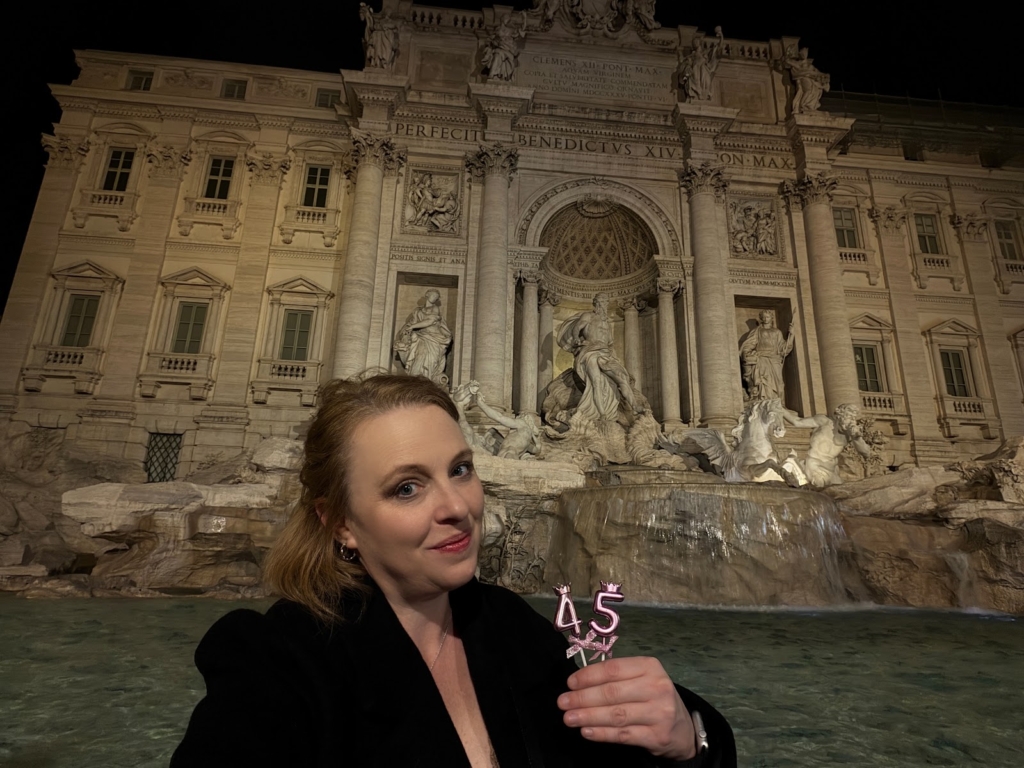
I spent years building a successful career before taking three months of annual leave and eventually deciding, around my 45th birthday in Rome, that I wanted to experience a different way of living. That decision wasn’t something I’d originally planned when I booked my time away, and it certainly came with more practical questions than I could have anticipated.
Related read: The Birthday in Rome That Changed the Direction of My Life →
Even after travelling through almost thirty countries, I still encounter situations that make me nervous or require me to figure out something unfamiliar. The difference is that I’ve learned to trust my ability to ask questions, research alternatives and make decisions without needing to know every answer beforehand.
Your first solo trip doesn’t need to become a permanent lifestyle change to offer something valuable. You can begin with a few days somewhere you’ve always wanted to visit, take care of the important details and allow yourself to experience the freedom of exploring on your own terms.
You may return home with wonderful memories, a few new friendships or simply the satisfaction of discovering that you’re perfectly capable of taking yourself somewhere interesting. Perhaps you’ll discover that you enjoy your own company more than you expected, or that meeting people is easier when you’re open to the possibility of a conversation.
And you might find that the most interesting thing you discover isn’t necessarily the destination itself. Sometimes the greatest surprise is recognizing how much you’re capable of doing when you finally give yourself the opportunity to try.
Affiliate disclosure: This article contains affiliate links. If you book or purchase through them, I may earn a commission at no additional cost to you.

4 Responses