


Choose the route first. Then find the season that fits.
There isn’t one best month for all of Asia. A walking-focused trip to Kyoto, an island stay in the Philippines, and a journey through Oman can each call for very different conditions. The right time to travel depends on where you want to go, what you hope to do, and how much flexibility you have along the way.
Start with the places and experiences that interest you. Think about how you want to spend your days: exploring neighbourhoods on foot, taking boats between islands, visiting historic sites, or heading into the mountains. Then look at the local weather patterns that could shape those experiences.
A country-wide seasonal guide can help you narrow down your options, but the details of your route matter more. Coastlines, islands, cities and higher elevations may need separate consideration, even when they sit within the same country.
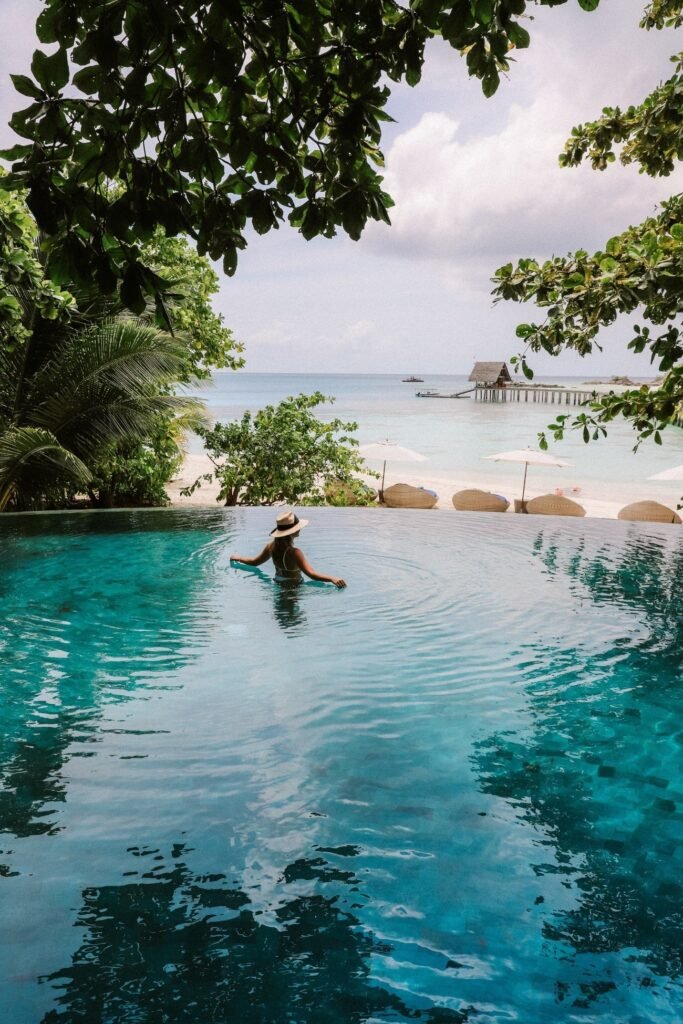
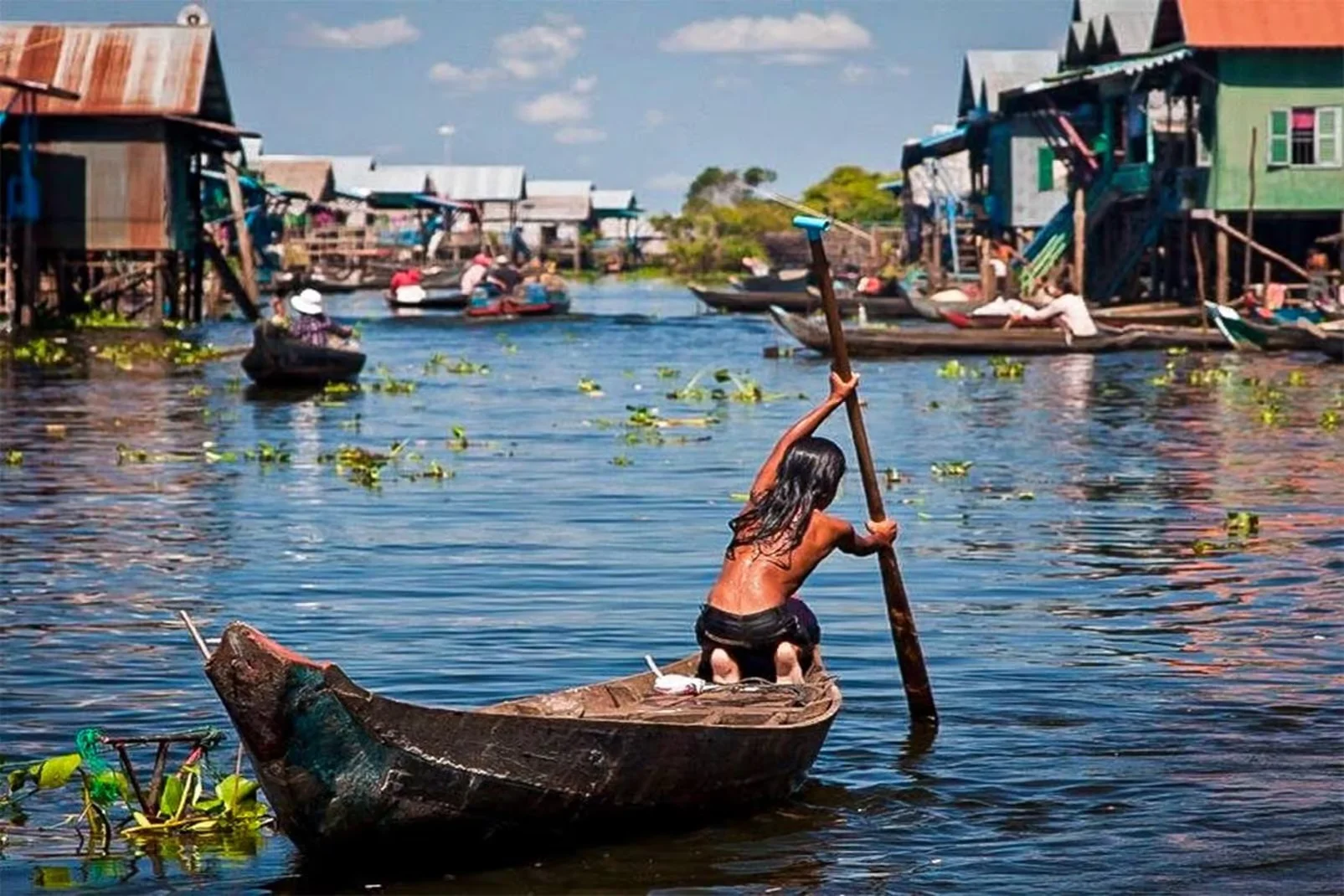
Southeast Asia deserves a closer look than a single “best time to visit” recommendation. Don’t assume Thailand, Cambodia, Bali and the Philippines share the same dry season. Conditions vary between countries, islands and coastlines, so dates that suit one part of your itinerary may be less suitable for another.
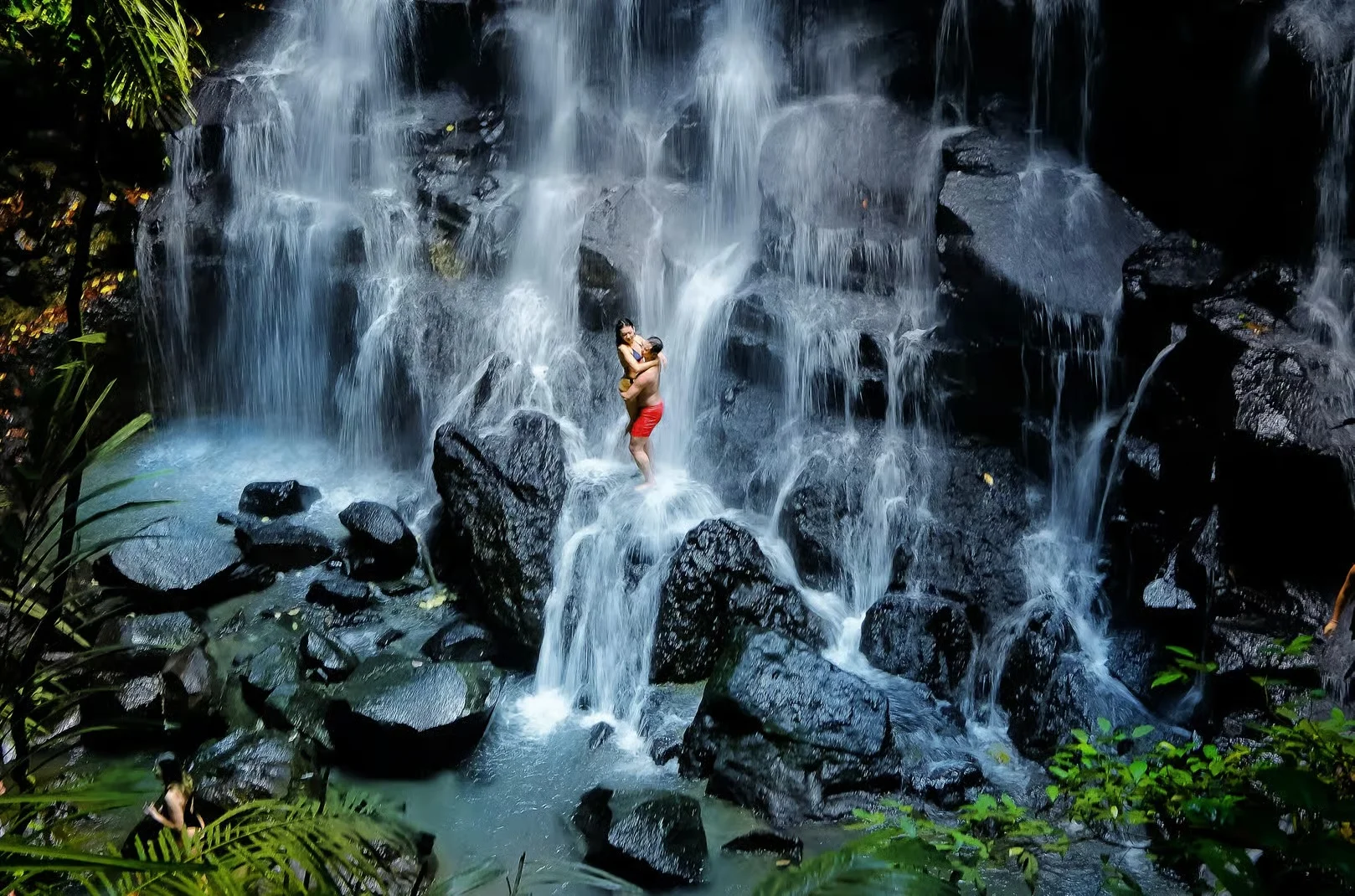
For Bali, roughly April–October is generally the drier part of the year. That can be a useful starting point when planning time outdoors, but it shouldn’t become the planning calendar for every other destination on your list. Check each stop individually, especially if your trip combines mainland sightseeing with beach stays or island excursions.
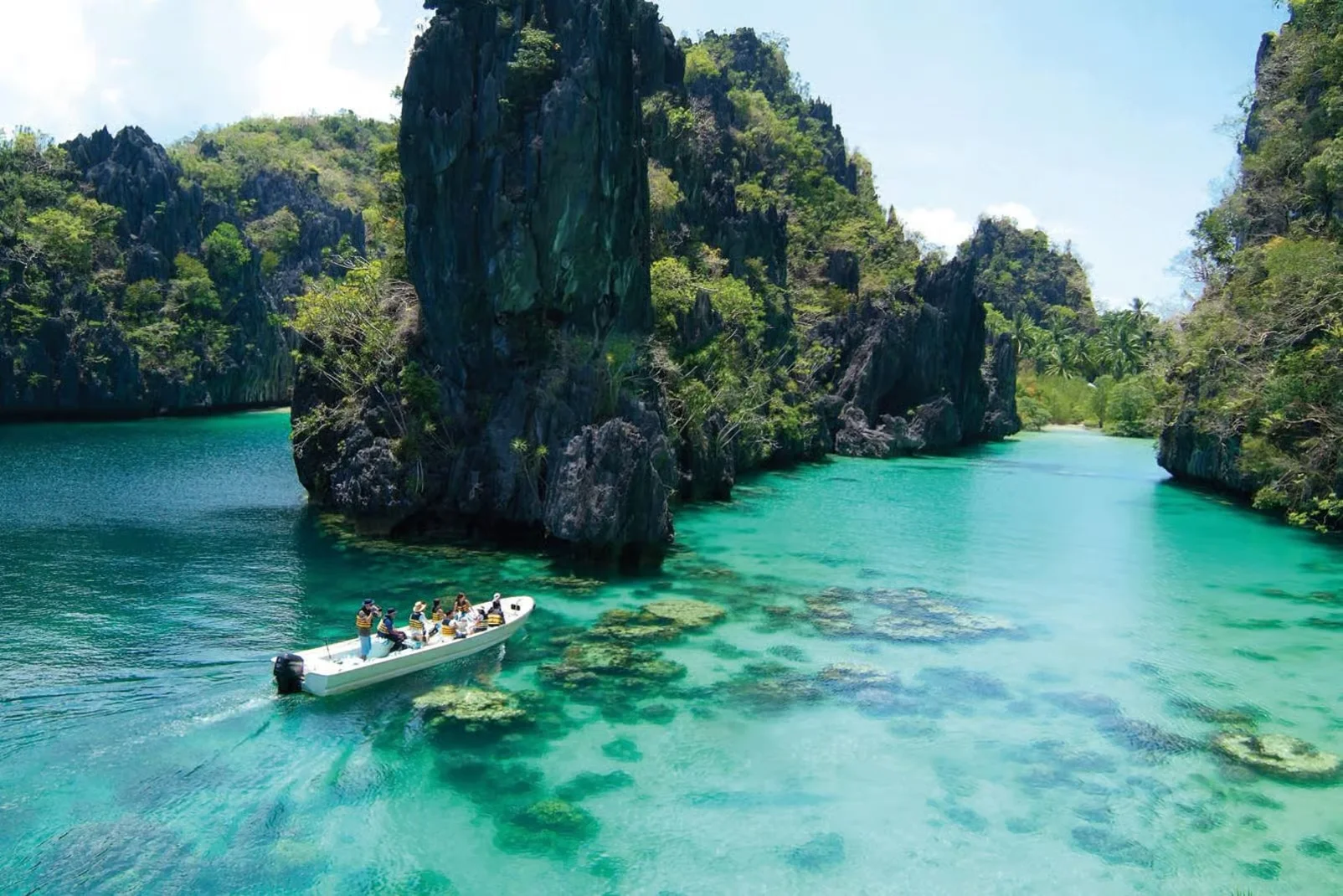
For places such as El Nido, look beyond the rainfall forecast. Local sea conditions and boat schedules can affect what you’re able to do, particularly when an excursion depends on getting out on the water. Leave some flexibility around the activities you care about most, rather than placing every weather-dependent experience into a tightly packed schedule.
It also helps to think about your priorities. A trip centred on cafés, food and cultural visits may allow more room to adapt than one built almost entirely around beaches and boat trips.
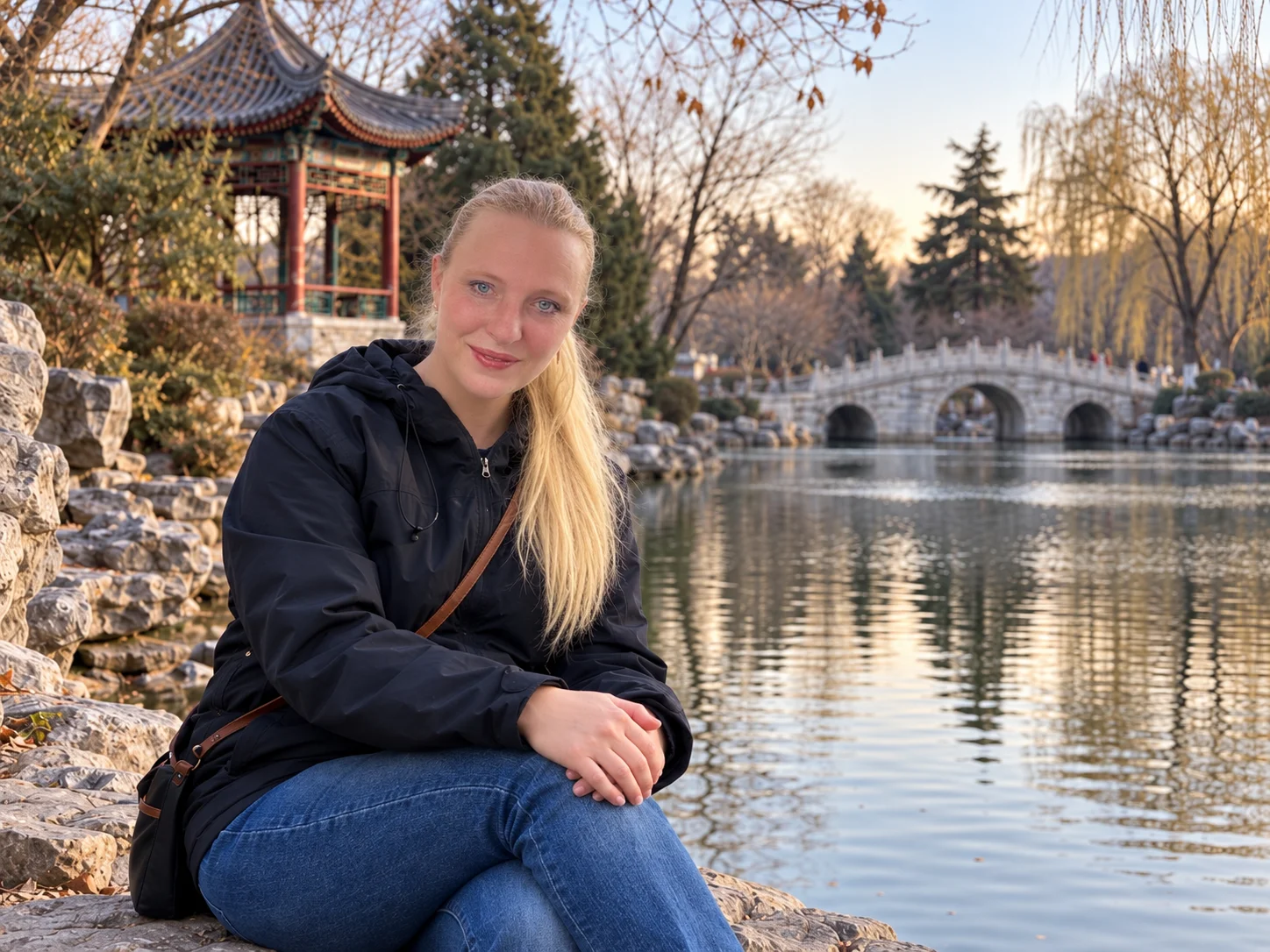
For Japan, spring and autumn are useful starting points for a trip built around walking, neighbourhood exploring and time outside. They’re worth considering if your ideal day involves moving between gardens, temples, small shops and long lunches, with plenty of time spent on foot.
Blossoms and autumn colours can add something special to a visit, but their timing varies by location and year. Treat them as seasonal possibilities rather than guaranteed dates. Build a trip you would enjoy even if the trees are a little earlier or later than expected.
Summer can bring heat, humidity and rain, which may influence the pace of your days. Allow room for breaks and indoor activities when planning a walking-heavy itinerary. Winter offers a different experience depending on the region, so consider the conditions at each destination rather than relying on a general picture of Japan.
The same approach applies to a wider East Asia itinerary. A trip combining Kyoto with destinations elsewhere in the region needs separate weather checks for each stop. Choose dates with the whole journey in mind, and consider where you have room to adjust your plans.
Planning for South Asia starts with recognising how different one journey can be from another. A city stay in Rajasthan, a coastal holiday in Sri Lanka and a mountain trip in Nepal need different conditions and different expectations.
Heat, rainfall and elevation can all influence what feels comfortable and what is practical. Think about how much of each day you expect to spend outside, how you’ll travel between places, and whether any part of the itinerary depends on particular weather conditions.
Choose dates around your actual route. A broad recommendation for a country may be useful for an initial search, but it won’t necessarily tell you whether the timing suits your chosen coast, city or mountain area.
For trekking, wildlife experiences or boat trips, check the season for that activity specifically. If one experience is the main reason for your visit, use it as the starting point for your dates and build the rest of the trip around it.
Give the itinerary some breathing room, too. A little flexibility can make it easier to respond to changing conditions without feeling that the whole journey has gone off course.
For Central and Western Asia, consider both the destinations themselves and the journeys between them. A route that combines cities, desert landscapes and mountain excursions may involve quite different conditions along the way.
For a trip involving Muscat and Nizwa, October–March is a useful starting point when looking for cooler conditions for sightseeing. Think about the time you want to spend walking through markets, visiting historic places and exploring outdoors, then choose dates that support that pace.
Other parts of Oman can follow different weather patterns, so check the details of your route before extending the same seasonal advice to the whole country.
For destinations such as Samarkand, consider the city weather alongside any mountain routes included in your excursions. A comfortable afternoon in town doesn’t necessarily describe the conditions along the entire journey. Look at where each outing takes you, including changes in elevation and any time spent in more exposed surroundings.
If your itinerary covers several destinations, identify the experiences with the least flexibility first. Those can help guide your travel dates, while city visits and other adaptable plans fit around them.
Before You Book: Check major holidays, festivals and local observances alongside the weather. They can add something meaningful to a visit, but may also change opening hours, transport demand and accommodation.
The aim is to choose a season that suits the trip you actually want to take, with enough flexibility to enjoy the journey when conditions change.
Holafly eSIM has wide coverage in over 200 destinations.


A little curiosity — and a little preparation — go a long way.
There isn’t one way to travel through Asia. Your plans might involve city transport, island connections, long-distance trains or several days based in one neighbourhood.
Give each destination its own research. The practical details that work in one country may look quite different in the next.
Different destinations, different rhythms and plenty of ways to make the trip your own.
Asia can mean a few days exploring one city, a journey through historic sites or time divided between islands. Choose a route that suits your interests, then give each destination its own planning.
Kyoto’s temples and shrines, Xi’an’s archaeological sites and Samarkand’s striking architecture offer very different ways to connect with the past. Give yourself time to look closely, notice the details and understand how these places fit into the life of the city around them.
A knowledgeable local guide can bring that history into focus, explaining the symbolism, craftsmanship and stories you might otherwise walk past. Balance the major sights with slower neighbourhood exploring: stop at a café, browse small shops and take a walk through streets beyond the busiest visitor routes. These quieter moments can add as much depth to a trip as its headline attractions.
A market visit in Chiang Mai, a food walk in Hanoi or a craft workshop in Ubud can introduce you to a destination through the people who live and work there. Alongside new flavours or practical skills, these experiences offer a chance to hear personal stories, ask questions and see the knowledge behind everyday traditions.
Look for experiences that clearly explain who is hosting, what you’ll learn and what your booking includes. Choose something you’re curious about, and give it your full attention. If you have dietary requirements, prepare a clear translation and confirm ingredients directly with your host or food vendor. A little preparation makes it easier to relax and enjoy the experience.
El Nido’s boat excursions, Bali’s inland scenery and Oman’s mountain landscapes offer very different kinds of outdoor days. Think about how you want to spend that time: swimming and exploring, walking through changing landscapes or simply enjoying a beautiful setting at a slower pace.
Before booking, read beyond the photographs. Check the activity level, time spent travelling, group size, equipment provided and arrangements if the weather changes. Look closely at how much time you’ll have at each stop, too.
A journey involves more than the time printed on a ticket. Getting to the departure point, checking in, collecting luggage and reaching your next accommodation all need space in the itinerary. Confirm which station, airport or harbour you’re using, and work out the final part of the journey before you set off.
Keep arrival days flexible, especially after long journeys or several connections. Allow time to settle in, find something to eat and get your bearings before committing to a tightly timed activity.
Build your budget around your actual route and priorities. Costs can vary considerably between destinations, and the balance between accommodation, transport, food and activities will change as you travel. Compare these expenses together so you can see the full cost of each stop.
Decide where spending more will improve your experience, whether that means a well-located hotel, a knowledgeable guide or a more convenient connection. Leave a buffer for unexpected costs and opportunities you discover along the way.
Respectful travel starts with paying attention. Expectations around clothing, shoes, photography and behaviour vary between destinations and settings, particularly at religious and cultural sites. Read posted guidance, follow local instructions and ask politely when something is unclear.
Learn a few greetings, ask before photographing people and remember that places you visit may also be places where others worship, work or go about their daily lives. Give people space and accept a refusal graciously. Small, thoughtful choices help create warmer interactions and a better understanding of the places you’ve come to explore.
Organise the essentials before you leave so they take up less of your attention once you arrive. Keep accommodation addresses, booking confirmations, transport details and useful maps available offline. Pack for the full route, including rain, cooler areas, outdoor activities and any clothing needed for cultural visits.
Build an itinerary with clear priorities and enough flexibility to respond to what you find. You may want another afternoon in a neighbourhood you love, time for a class someone recommends or a slower morning after a demanding journey. Leave room for those decisions. A memorable trip grows through the experiences you choose in advance and the discoveries you make along the way.