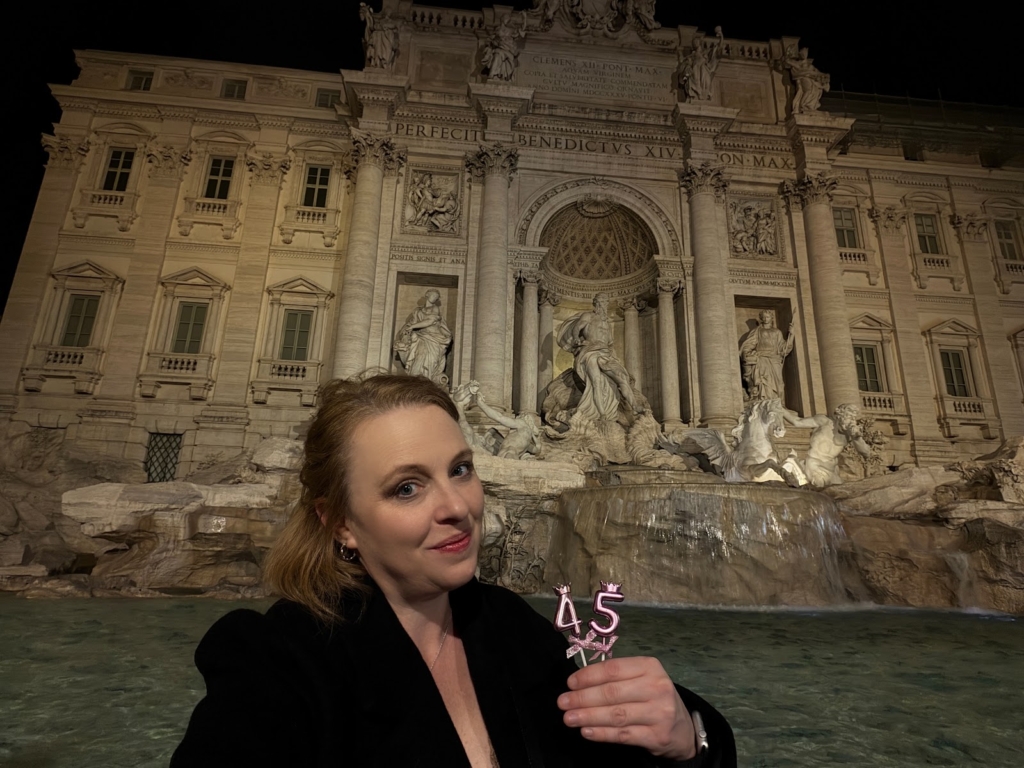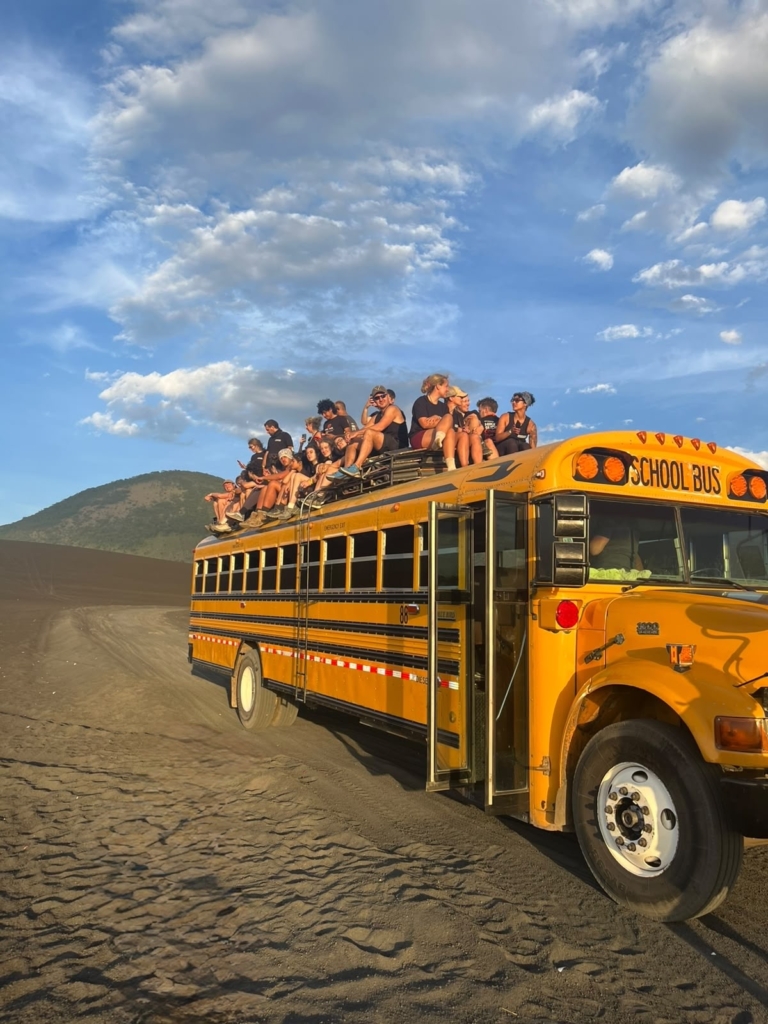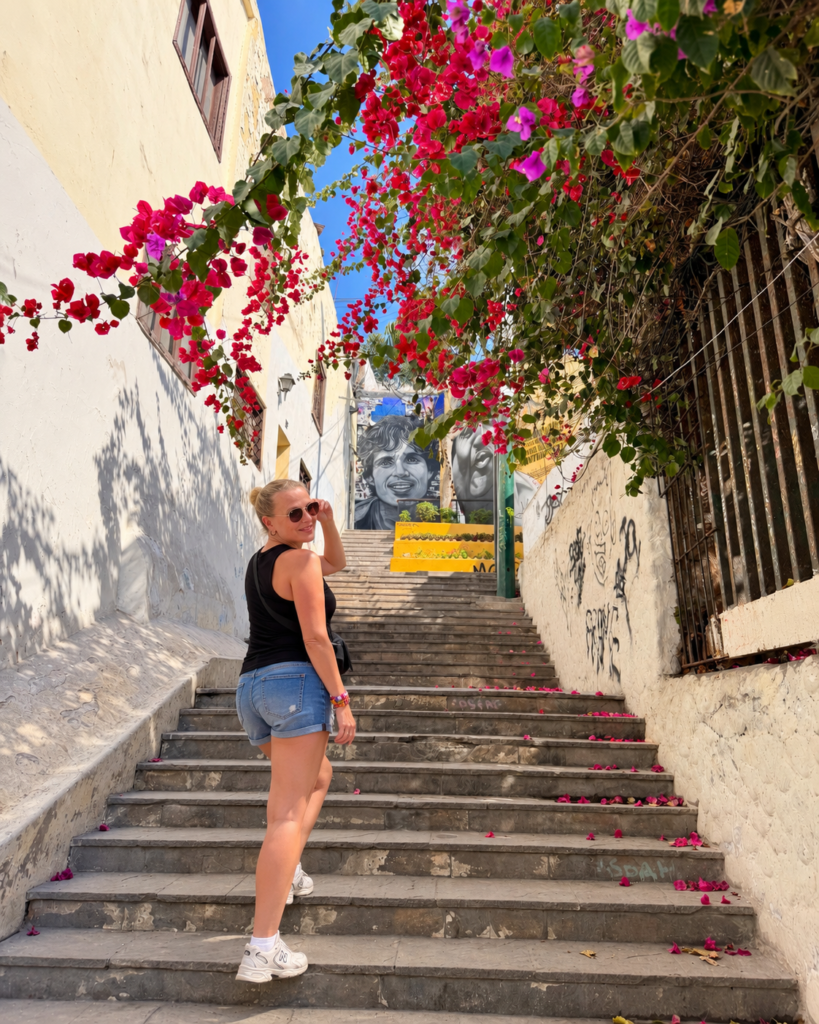


Three visits to Banff, three different chapters of my life, and one place I would gladly return to again. From a cross-country journey with my grandparents to a trip with my son, the Canadian Rockies have given me memories that go well beyond the scenery. This is the Banff I remember, the places worth making time for, and how I’d approach another visit.
I’ve been to Banff three times, and I don’t think of those trips as three attempts to see the same destination. Each belongs to a different part of my life. One was a cross-country journey with my grandparents; another was a visit with my son. The third gave me another opportunity to experience the Rockies, but the circumstances of each trip were different enough that they have never blurred into one long mountain holiday in my mind.
There are places I remember primarily for what I saw. With Banff, the scenery is impossible to forget, but it sits alongside the people I shared it with. I can appreciate a mountain range or the colour of a glacial lake on its own merits, and I do. Yet there is a different kind of value in looking back at a place and realizing that it has quietly become part of your family history.
That’s one reason I don’t mind returning to somewhere I’ve already been. We change. The people beside us change. Our interests and expectations change, too. A place can be familiar without the experience feeling like a repeat, and Banff has been a good example of that for me.
It helps, of course, that we’re talking about one of the most beautiful parts of Canada. The town is surrounded by mountains, Lake Louise and Moraine Lake are almost absurdly photogenic, and the drive between destinations can feel like an attraction in itself. I’ve never needed to be a serious hiker to enjoy the Canadian Rockies. I’m perfectly happy with a spectacular view, an interesting little town, a leisurely stop for coffee and the freedom to pull over when something catches my eye.
If you’re visiting for the first time, I want you to have the practical information that makes Banff easier to explore. But I also want to make a case for giving it a little room in your itinerary. Some places are worth more than a photograph, and Banff is one of them.
Travelling across a country with your grandparents is a different experience from taking a short city break or booking a week away with friends. The journey itself matters, not just the destination, and that trip is one of the reasons Banff is connected to family in my memory. The Rockies were part of something bigger: time spent travelling together and the experience of seeing more of Canada along the way.
I won’t pretend that every detail of that trip is neatly filed away in my memory. What has stayed with me is the association between Banff and that chapter of my life. It’s easy to look at photographs of a place like Lake Louise and see only the scenery. When you’ve been there with people you love, the photograph can hold a great deal more than that.
Another visit brought me to Banff with my son. That trip has a different place in my memories, and I love that the same destination can be connected to two very different generations of my family. There is something satisfying about sharing a beautiful part of the world with someone who matters to you, especially when the place is extraordinary enough to leave an impression without needing an elaborate itinerary.
I’ve spent a large part of my life raising a family and balancing everything that came with it, and the trips we take together become part of how I remember those years. Banff is one of the places that connects those family memories with my love of travel. I don’t need to attach a dramatic incident or a perfectly rehearsed story to that. The fact that we went together is meaningful in its own right.
Then there was a third visit. By that point, Banff was no longer somewhere I’d only heard about or dreamed of seeing. I already knew something about the setting, yet I was still happy to return. That probably tells you more about my feelings toward the place than any ranking of its most photographed attractions could.
I don’t approach repeat travel as though I’ve failed to be adventurous. Sometimes I want to discover a completely unfamiliar country; other times I want to experience a place I already know I’ll enjoy. The Canadian Rockies leave enough room for both familiarity and discovery, particularly when you stop trying to fit every possible activity into a single visit.
People travel to Banff for different reasons. Some want long mountain hikes, others come to ski, and plenty simply want to see the famous turquoise lakes. I’m drawn to the scenery, architecture, photography and places where I can explore without turning every day into a physical challenge. If your interests are similar, you can have a wonderful visit without tackling a strenuous trail.
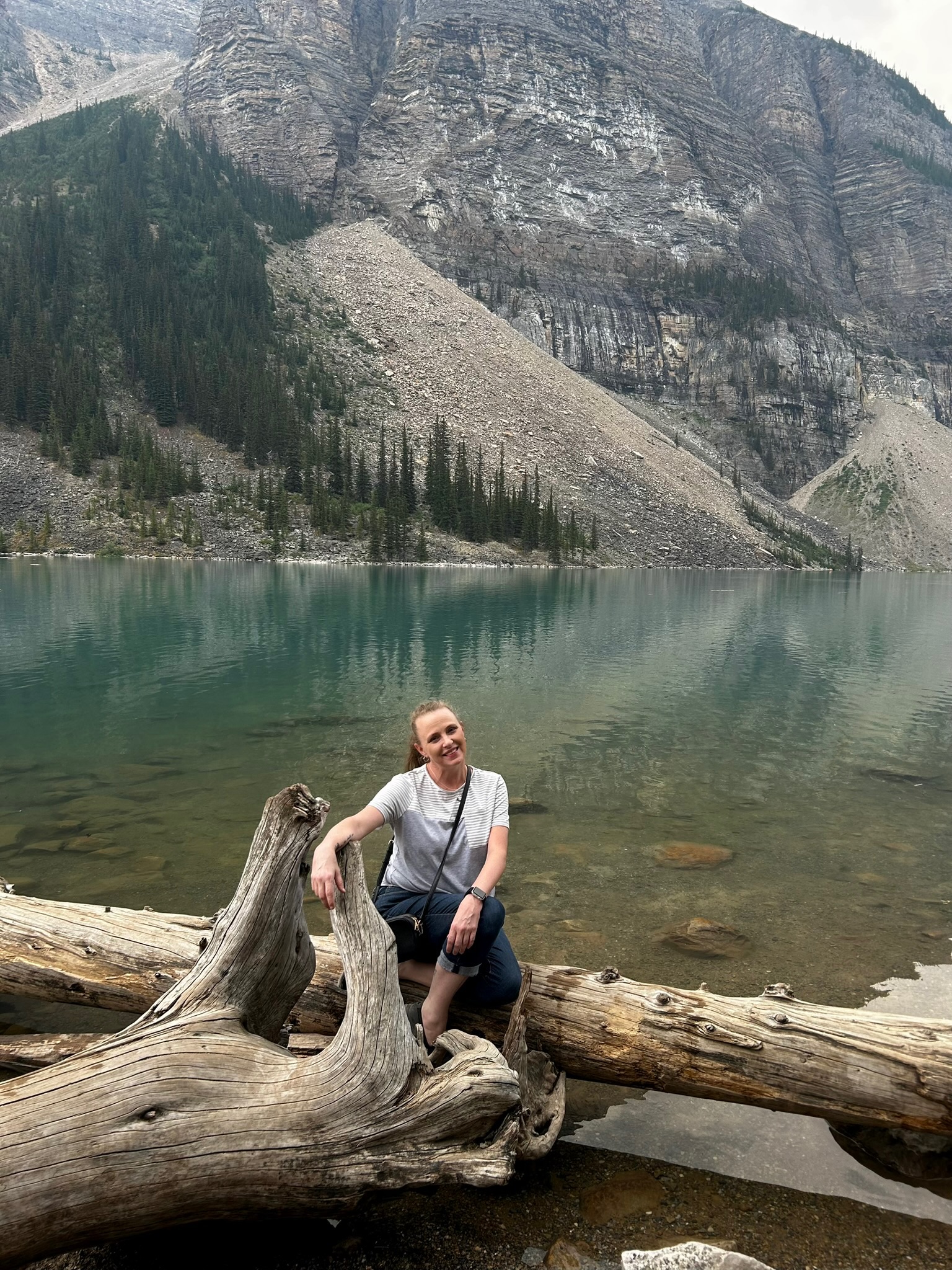
If there’s one place that defines Banff for many first-time visitors, it’s Lake Louise. The mountain backdrop, Victoria Glacier and brilliant blue-green water in the warmer months are every bit as striking as the photographs suggest. The Fairmont Château Lake Louise adds another architectural layer to the scene, and I think the combination of the hotel, water and mountains is part of what makes the setting so distinctive.
The lake doesn’t require an ambitious hike to be worthwhile. Spending time along the shore, taking photographs and allowing yourself to appreciate the view is a perfectly good experience. There are longer walks and seasonal canoeing options for visitors who want more activity, but I wouldn’t make anybody feel that a visit only counts if they’ve climbed something.
Lake Louise is also one of the places where planning ahead matters. The lakeshore is accessible year-round, but summer parking is extremely limited and many visitors are better off reserving a Parks Canada shuttle or using suitable public transit. I would much rather arrive knowing how I was getting there than waste part of the day competing for a parking space.
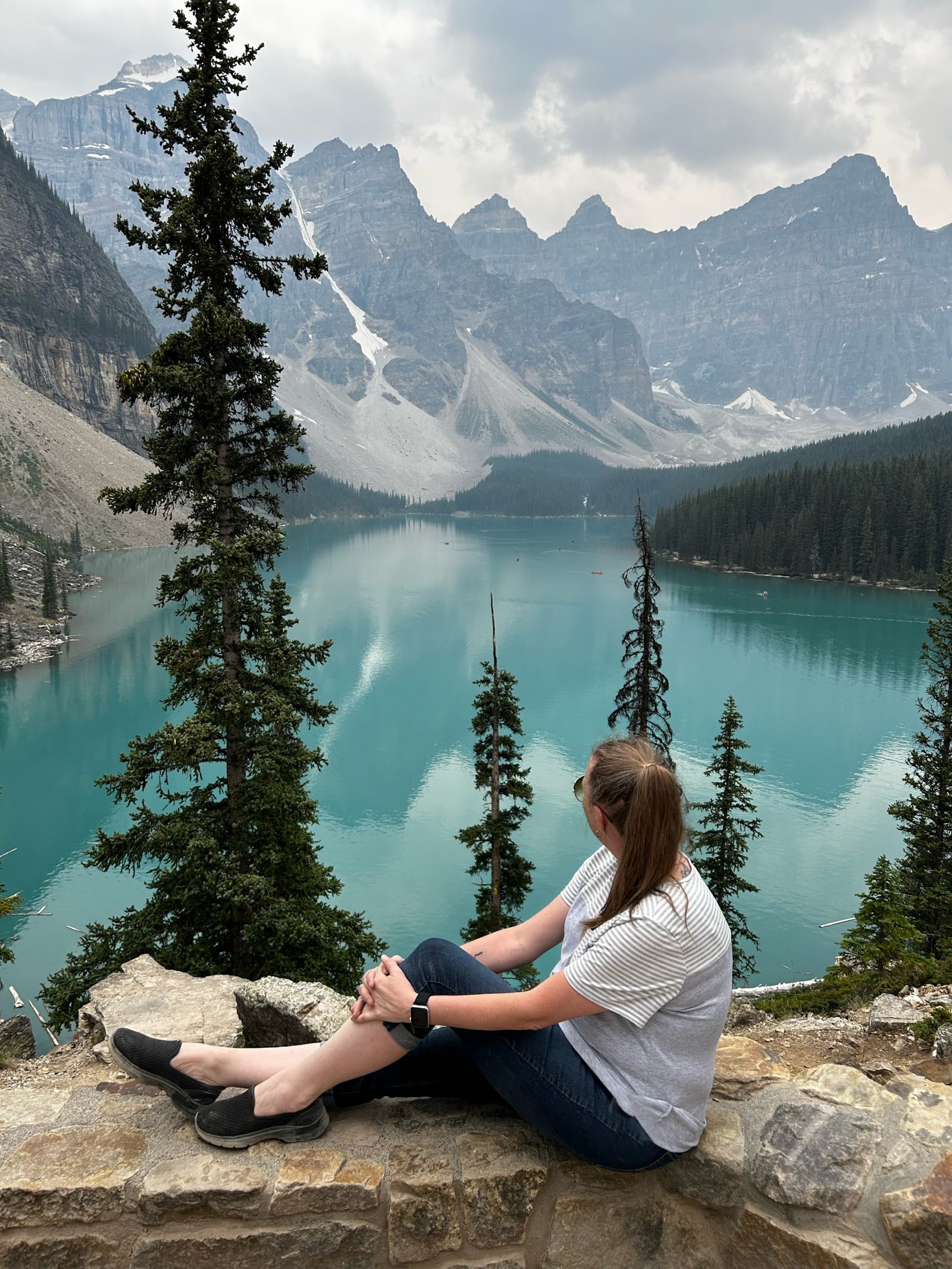
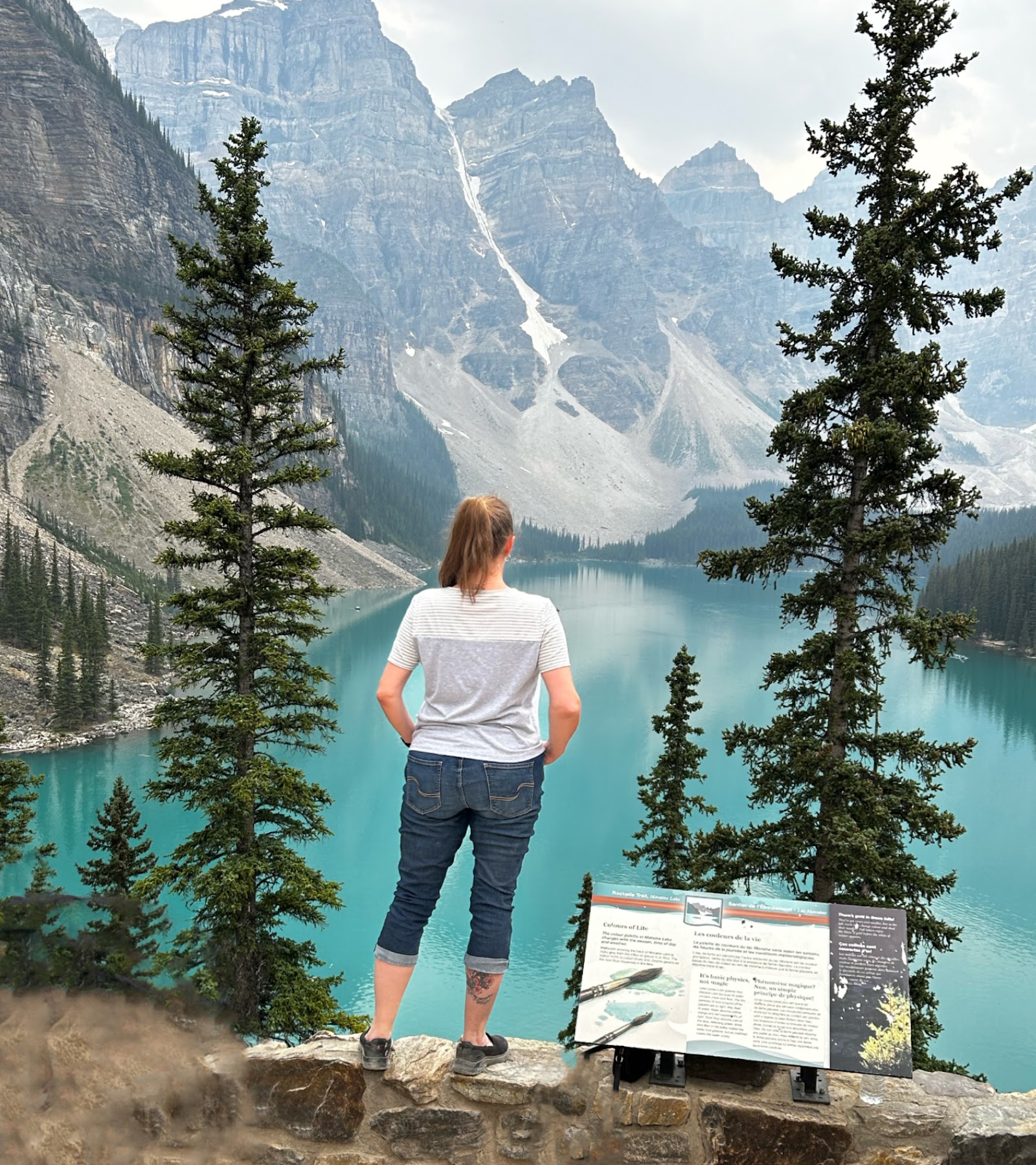
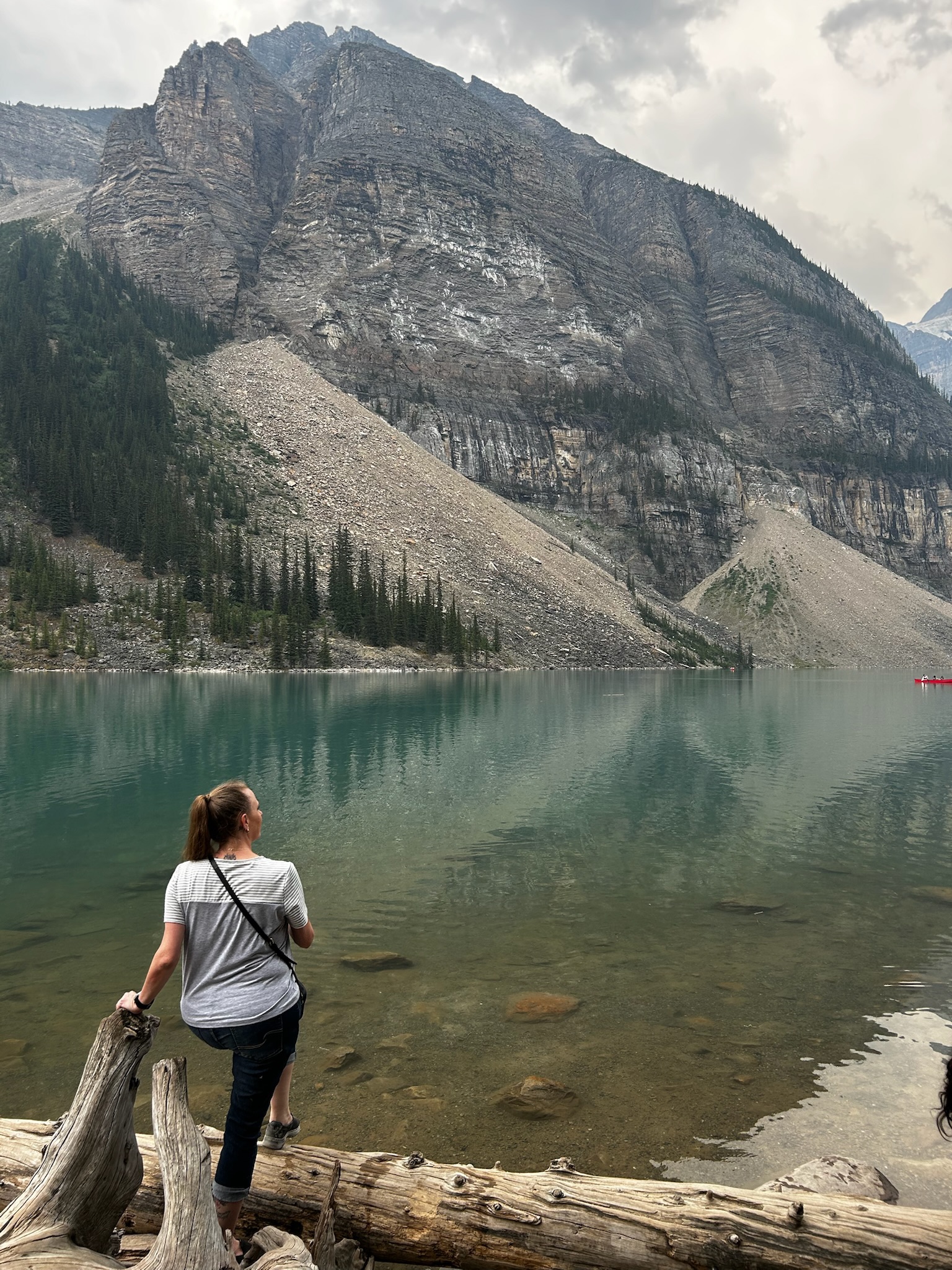
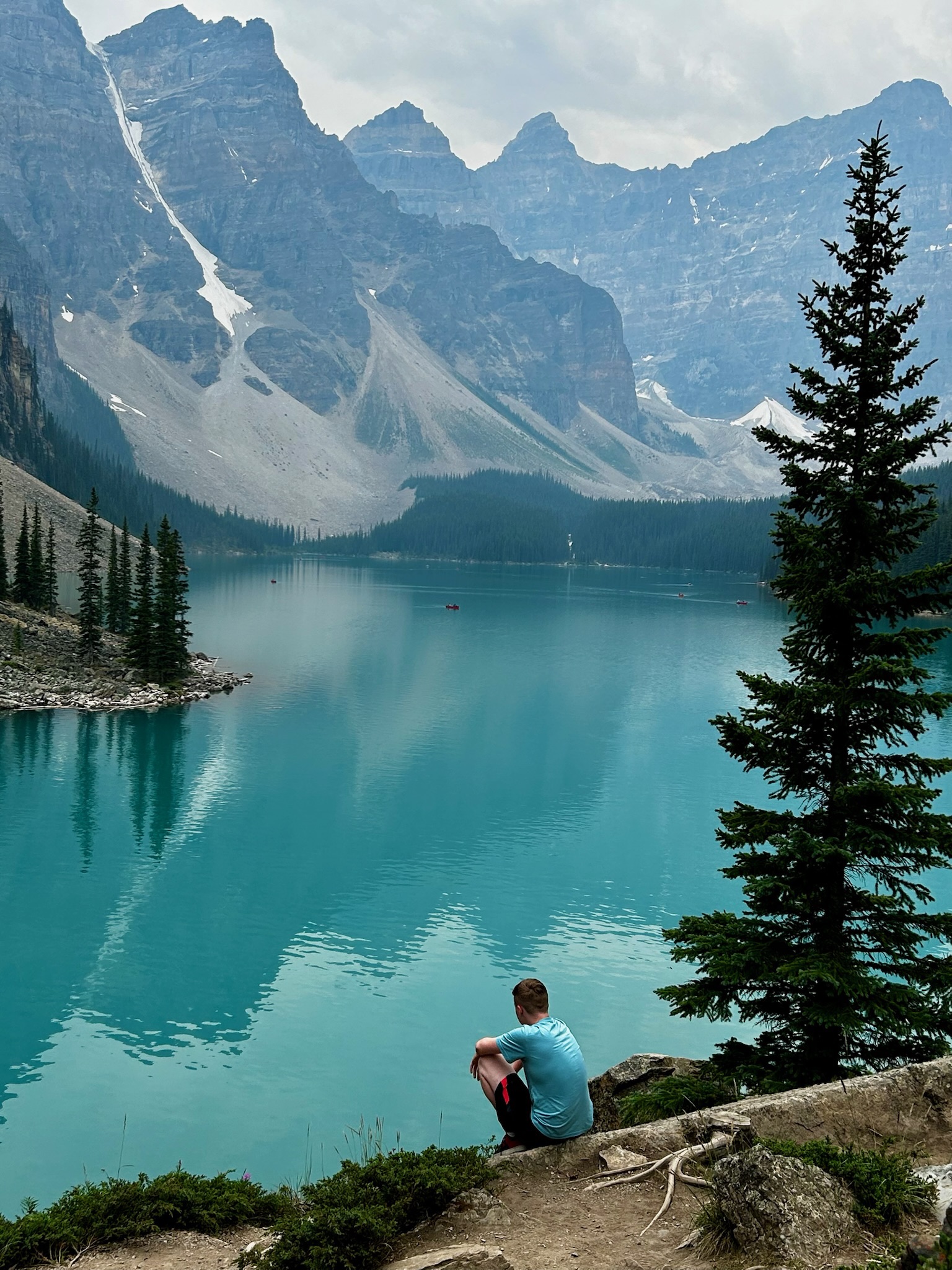
Moraine Lake is another unforgettable part of the Canadian Rockies, with the Valley of the Ten Peaks rising behind that famous turquoise water. The Rockpile viewpoint is particularly popular with photographers. It’s a relatively short outing rather than a long mountain trek, but there are steps and uneven ground, so proper footwear still matters.
The most important thing to know is that Moraine Lake Road is closed to personal vehicles year-round. During the visitor season, access generally involves a Parks Canada shuttle or an authorized commercial operator. The road and shuttle services are seasonal, with exact dates depending on conditions, and the lake is not an ordinary winter sightseeing stop because of avalanche hazards.
Planning resource: Parks Canada Lake Louise and Moraine Lake Shuttle Reservations →
That is a detail I’d put near the top of a first-timer’s planning notes. It’s frustrating to have your heart set on a particular place and find out too late that you needed to arrange transportation. If both Moraine Lake and Lake Louise are priorities, check whether your shuttle booking permits use of the connecting service between the lakes.
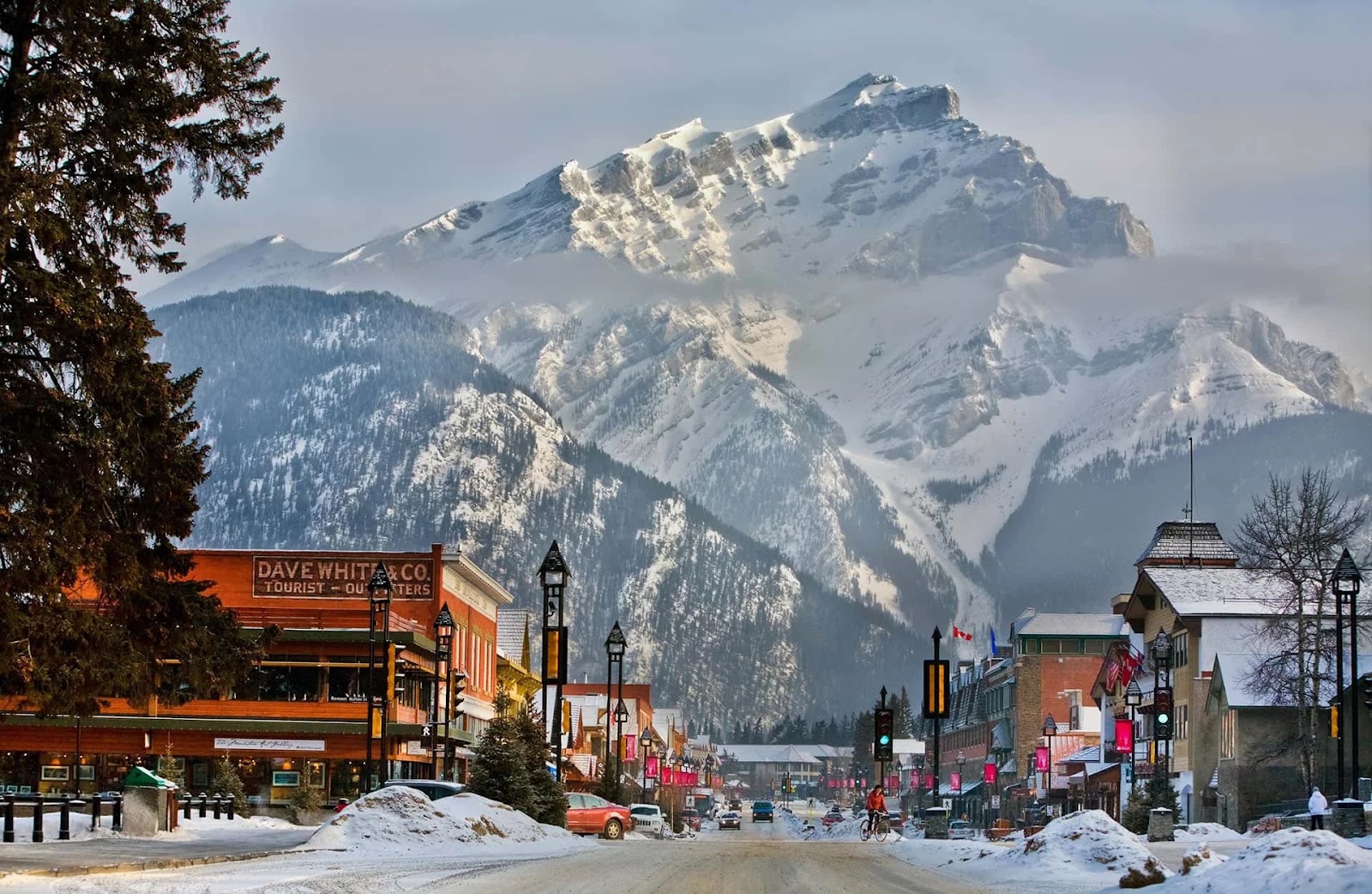
The town deserves time of its own. Banff Avenue and the surrounding streets have restaurants, shops, cafés and a mountain backdrop that would be enough to make an ordinary walk interesting. I love that you can be doing something as unremarkable as looking for coffee and still find yourself looking up at a spectacular peak.
I’m especially fond of destinations where the sightseeing doesn’t end when you leave the main attraction. A town with character, a pleasant place to sit and a few interesting streets can make a trip feel more complete. After a day travelling between lakes and viewpoints, I like having somewhere to wander without needing to organize another tour or get back into a car.
If I were taking a first-time visitor to Banff, I’d make room for an afternoon or evening in town rather than treating it as nothing more than a hotel base. Bear Street and Banff Avenue are useful places to begin exploring, but I’d leave enough freedom to follow whichever streets catch my attention.
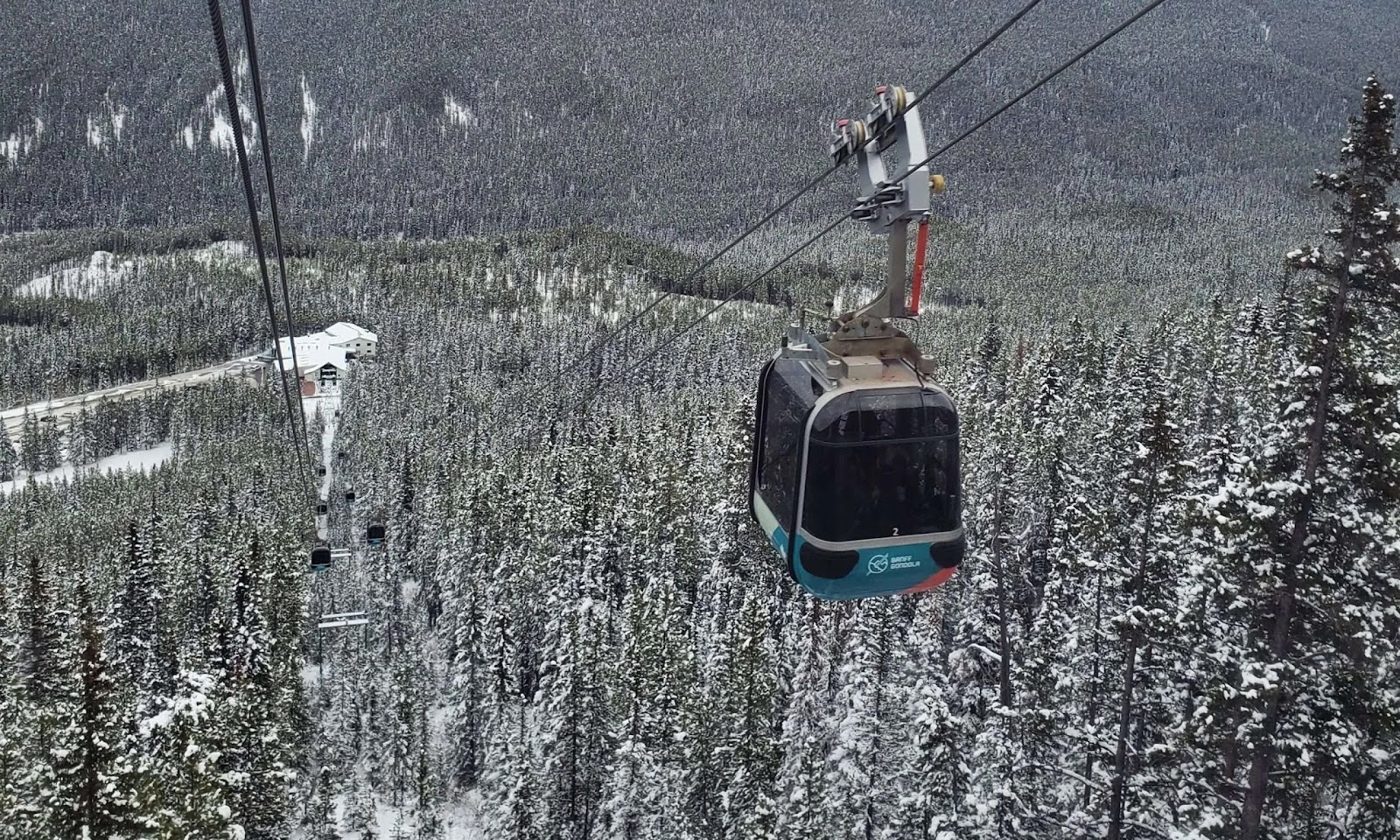
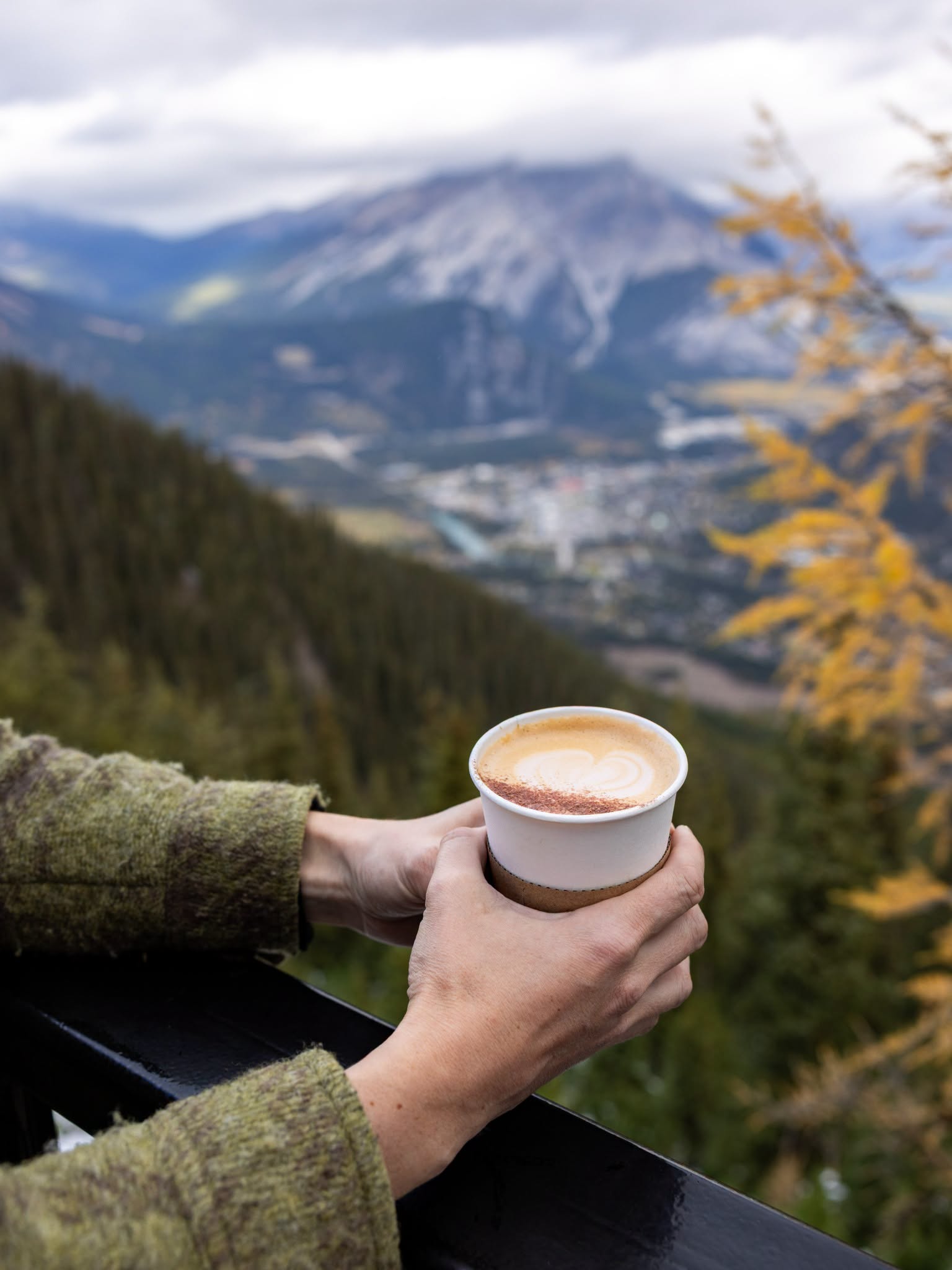
Not everyone arrives in the Rockies hoping to spend six hours climbing uphill. The Banff Gondola is an appealing alternative for visitors who want sweeping views without a demanding ascent. It takes you up Sulphur Mountain, where there are viewing areas, interpretive exhibits and a boardwalk to additional viewpoints. I’d choose the timing with the weather in mind, because cloud cover can change what you actually see.
The Banff Upper Hot Springs offer a completely different pace. An outdoor soak in naturally heated mineral water is a rather attractive prospect after spending time sightseeing in the mountains. The facility has a long history, but opening arrangements and maintenance closures can affect a visit. Check its current status rather than assuming it will be available on a particular day.
These are the sorts of experiences I appreciate because they make the landscape enjoyable in different ways. You can be active if you want to be, but you can also build a day around views, a little exploration and enough time to relax.
Recommended experience: Lake Louise, Banff Gondola cable car, Lake Minnewanka and Lake Emerald →
Some of the best scenery in the Rockies isn’t a single landmark with a ticket office. It’s the mountain that appears as you round a bend, the lake you hadn’t planned to stop at or the changing light that makes you want to pull out your camera. I love scenic drives for exactly that reason. They allow you to experience a place without feeling you must complete a particular activity when you arrive.
Bow Falls and Surprise Corner are worthwhile stops close to town. Bow Falls offers a view of the river and cascading water, while Surprise Corner gives you a striking perspective toward the Fairmont Banff Springs hotel. I have a soft spot for scenes where interesting architecture sits within an extraordinary natural landscape, and that hotel makes a particularly good subject for photography.
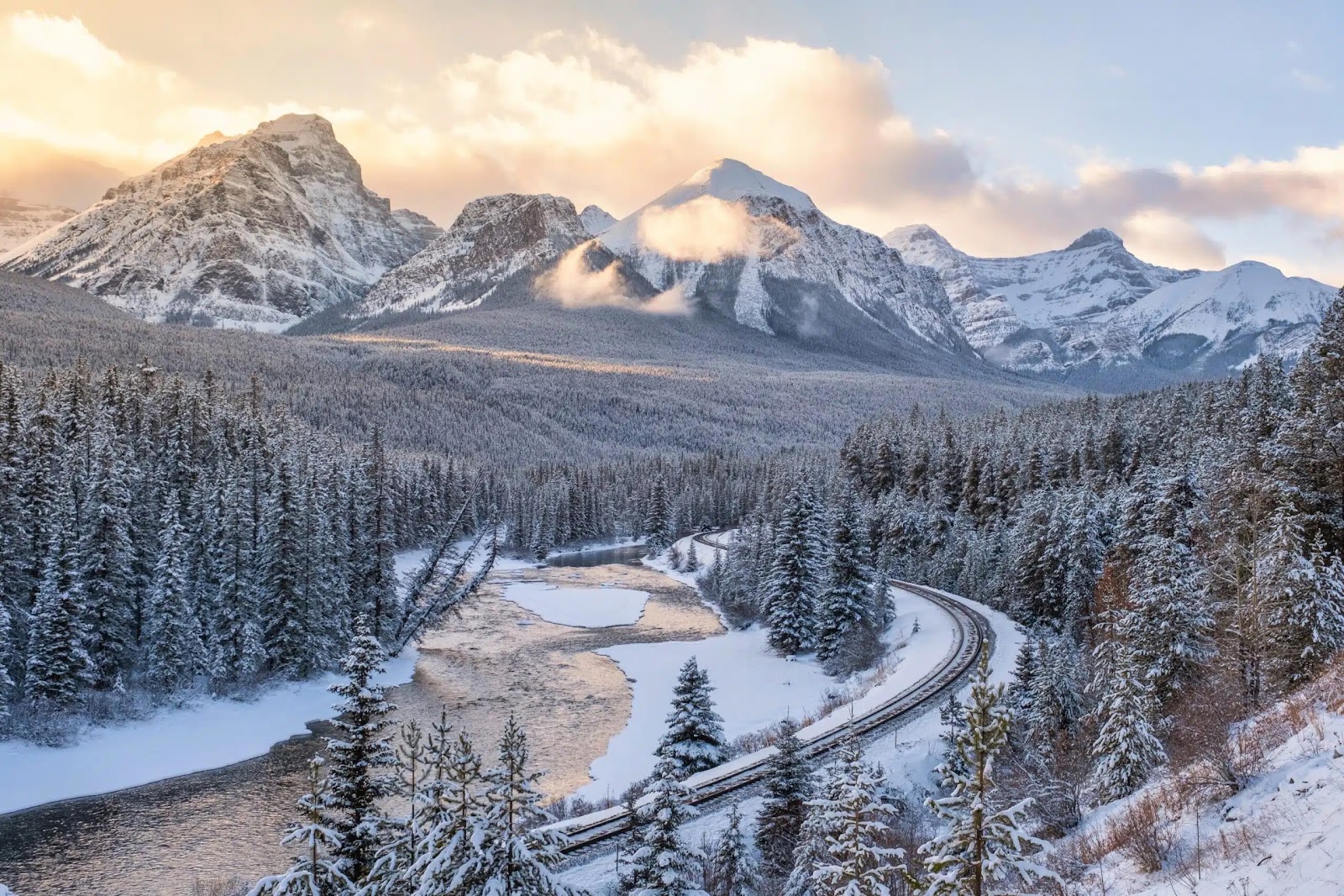
Lake Minnewanka and nearby Two Jack Lake offer a slower kind of scenery. Depending on the season, you can enjoy shoreline viewpoints or consider a boat cruise at Minnewanka. Vermilion Lakes, closer to town, is another place to keep in mind if you enjoy photographing mountain reflections, especially when the water is calm.
If you’re interested in a canyon walk, Johnston Canyon is well known for its waterfalls and elevated walkways. It can be slippery or icy, and access is sometimes restricted. As of November 2026, Parks Canada has scheduled the closure of Johnston Canyon Trail and its main day-use area through December 11, 2026 for construction-related safety work; anyone planning a visit should check current bulletins before setting off.
And if you have another full day, the Icefields Parkway deserves serious consideration. The highway between Lake Louise and Jasper passes glaciers, dramatic mountains and scenic lakes, including Bow Lake and Peyto Lake. I wouldn’t try to squeeze an ambitious out-and-back drive into a crowded itinerary. Part of the pleasure is having enough time to stop. Winter brings additional road requirements and possible closures, so conditions need to guide the plan.
Check before you go: Parks Canada Banff Closures and Important Bulletins →
One experience I remember from my travels in the wider Banff region was visiting a wolf sanctuary. It’s not the first thing most people mention when they talk about the Canadian Rockies, but experiences involving animals and conservation can add a different dimension to a trip built around scenery.
A sanctuary visit is also a reminder that there is a difference between learning about animals in a managed environment and trying to get close to wildlife in a national park. Banff is home to bears, elk, deer, bighorn sheep and other wild animals, and those encounters should always happen on the animals’ terms. A roadside photograph is never worth approaching or feeding wildlife.
For readers interested in an educational experience in the wider region, Yamnuska Wolfdog Sanctuary near Cochrane is one place worth investigating. It cares for rescued wolfdogs and offers visitor programs about their behaviour and welfare. I haven’t confirmed that it’s the exact sanctuary I visited, so I’m including it as a researched option rather than claiming a specific firsthand endorsement. It’s outside Banff National Park and would be a separate stop, potentially on a journey between Calgary and the mountains.
The exact name of the sanctuary from my own trip is a detail I still want to verify before publishing a caption. What I do know is that it belongs in my recollection of the region, alongside the mountains and lakes that everyone understandably talks about.
Related experience: Yamnuska Wolfdog Sanctuary →
Banff isn’t one destination that happens to have four seasons. In some ways, it feels like several different holidays depending on when you arrive. If the turquoise colour of Lake Louise and Moraine Lake is what you’ve been dreaming about, the warmer months are the logical choice. The lakes are generally at their best for that experience from summer into early autumn, although snowmelt and seasonal access vary from year to year.
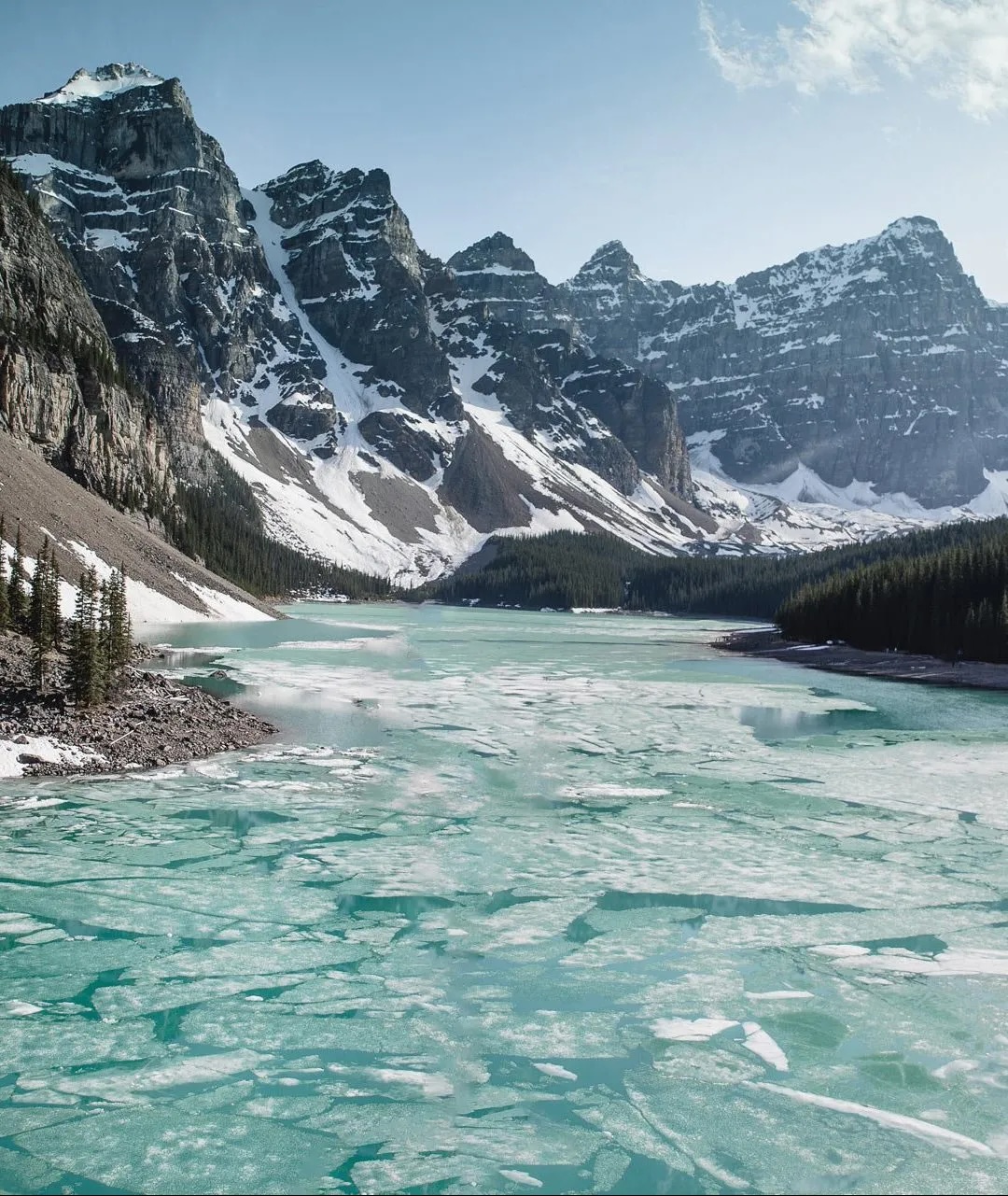
Summer offers long days and the widest range of outings, but it also brings crowds and higher accommodation prices. September can be lovely for changing colours and photography, although mountain weather becomes less predictable and seasonal services begin winding down. In spring, ice and snow can linger well after warmer destinations have moved into summer weather, so I wouldn’t plan a trip in April or May expecting every lake to look like a postcard from July.
Winter, of course, is an entirely different experience: frozen lakes, snowy mountains and a mountain-town atmosphere that can be beautiful in its own right. It’s a great season if you want winter scenery and activities, but you need appropriate clothing, footwear and transportation plans. A frozen Lake Louise isn’t the same experience as a turquoise one, and Moraine Lake isn’t a conventional winter sightseeing destination.
For a first-time visitor hoping to see the iconic lakes, I’d lean toward late June through September and confirm seasonal access before booking. If I wanted to experience a snowy version of Banff, I’d build a different itinerary around winter-friendly attractions rather than trying to recreate the summer trip.
I like choosing accommodation that fits the way I want to spend my days. A good room matters, but so does being able to wander out for coffee, have a meal and get around without an unnecessary transportation puzzle. Banff has some wonderful places to stay, but location and overall cost deserve attention, especially during the busiest months.
For a first visit, Banff town would be my starting point. It’s convenient for restaurants, shops and transport links, and I like the idea of having the town itself to explore after a day at the lakes. Canmore, outside the national park, is another attractive mountain-town base and may offer different accommodation options. I’d compare the entire trip cost, however, because savings on a room can disappear if you’re constantly paying for longer journeys. Lake Louise is worth considering if you want a more nature-focused stay and don’t mind fewer dining and accommodation choices nearby.
If I only had three or four nights, I would generally choose one base. I’ve spent enough time packing and unpacking during my travels to know that changing rooms every day doesn’t automatically make a holiday better. I’d rather keep the logistics simple and spend the saved time somewhere beautiful.
I haven’t kept a reliable list of specific restaurants from my three Banff trips, so I won’t invent favourites or pretend I remember a particular meal in detail. What I can say is that food and café stops are part of how I enjoy a place, and I wouldn’t build an itinerary that leaves no room for them.
Banff Avenue and Bear Street are good starting points for browsing menus and choosing somewhere that suits your day. Wild Flour Bakery and Good Earth Coffeehouse are names to research for a casual coffee or something to eat, while Bear Street Tavern is an option if you’re looking for a more substantial meal. Check current opening hours and menus; these are practical suggestions, not claims that I ate at each establishment.
I particularly enjoy having a day that begins with a spectacular view and ends with a leisurely meal in town. There’s no need to turn every available hour into another activity. Sometimes the conversation over dinner, the café you stumbled into or the extra time you spent sitting somewhere beautiful becomes part of what you remember.
If you have three full days in Banff, I’d keep the plan fairly simple. On the first day, explore the town, see a nearby viewpoint such as Bow Falls or Surprise Corner and consider the gondola if visibility is good. Leave enough time to get comfortable in your accommodation and enjoy dinner without feeling that you’re already behind schedule.
I’d devote the second day to Lake Louise and Moraine Lake during the season when both can be reached through the appropriate visitor transportation. Book the shuttles ahead, take your time by the water and avoid the temptation to add another distant attraction simply because there’s a little space left on the calendar. If Moraine Lake is seasonally inaccessible, I’d make a different plan rather than attempt to get around a closure.
For day three, I’d consider Lake Minnewanka, Two Jack Lake or Vermilion Lakes and spend time in whichever setting appeals most. Depending on conditions, you could substitute a visit to the hot springs or Johnston Canyon when open. I’d keep the afternoon flexible, because there’s always a chance you’ll discover somewhere you want to linger.
With an extra day or two, the Icefields Parkway becomes more realistic, and a separate sanctuary visit near Cochrane may fit a wider Calgary-and-Rockies route. I wouldn’t recommend trying to see all of these places in one rushed trip. The point is to enjoy Banff, not to demonstrate how efficiently you can move from one viewpoint to the next.
Banff can be expensive, particularly in peak summer. Accommodation is often the biggest variable, but transport to the lakes, food, park admission and any paid experiences can add up. I’d decide which activities genuinely matter to me and build the budget around them, rather than booking every popular attraction out of a sense that I ought to.
A Parks Canada pass is generally needed for visiting the national park, although temporary federal admission programs can affect what you pay in a particular season. Shuttle tickets, gondola rides and guided activities may involve separate fees. I’d check official costs close to travel dates instead of relying on an old screenshot of somebody else’s budget.
Transportation is another area where a little research pays off. Calgary International Airport is the main arrival point for many visitors, and you can continue to Banff by airport shuttle, rental car or other established services. A car offers flexibility for scenic driving, but you don’t need one to enjoy every attraction. Roam Public Transit and seasonal Parks Canada shuttles can be practical choices, especially if you’re based in town.
I would also check road and trail alerts before heading out, pack layers even in summer and give wild animals plenty of space. Parks Canada advises visitors to stay at least 100 metres from bears, wolves, cougars and coyotes, and at least 30 metres from elk and other large herbivores. If you’re exploring trails, follow the conditions and warnings that apply to the specific route rather than assuming a popular photo means it’s an easy walk.
Check current fees: Parks Canada Admission Fees and Passes →
Book in advance: Banff: Ticket for the Banff Cable Car →
When I was asked what I’d do again in Banff, my answer was everything. That’s not a carefully calculated ranking of attractions. It’s simply how I feel about returning to a place that has given me different memories at different points in my life.
I’d want the lakes and mountain views, certainly. I’d want the freedom to explore the town, enjoy a good meal and stop for photographs without feeling that I needed to explain why I wasn’t doing something more adventurous. I’d keep room for the scenic drives and the experiences beyond the standard lake itinerary, because those are part of what makes the wider region interesting to me.
What I’d change is the pace. The longer I’ve travelled, the less interested I’ve become in racing through a destination simply to say I’ve seen it all. I’d rather have one comfortable base, a handful of worthwhile plans and enough free time to enjoy whichever part of the day turns out to be particularly good. I know that can sound less ambitious than a packed itinerary, but I’ve discovered that enjoying a place and completing a list aren’t quite the same thing.
And I’d make room for the people. It’s impossible to separate my Banff memories from the time I spent there with my grandparents and with my son. Those trips belong to different chapters of my life, and I wouldn’t trade that connection for another dozen perfectly composed landscape photographs.
Yes. Public transit, airport shuttles, seasonal Parks Canada lake shuttles and organized sightseeing operators can make a car-free trip possible. A rental car is useful for some scenic drives, but I’d choose based on the specific places you want to visit rather than assuming it’s essential.
Three or four nights is a good starting point for a first visit. If you want to explore the Icefields Parkway, include more scenic stops or simply enjoy a slower pace, I’d allow five to seven nights. Banff is one of the destinations where extra time is easy to appreciate.
Not in a personal vehicle. Moraine Lake Road is closed to personal vehicles year-round, and ordinary tourist access is through approved seasonal transport arrangements. Reserve ahead and check Parks Canada’s current information.
Very much so. Scenic viewpoints, lakeshores, the town, gondola experiences, suitable boat trips and short walks can provide an extraordinary visit. Choose what suits your mobility and interests rather than assuming every trip to the Rockies should involve a challenging trail.
They’re different experiences. Summer is the season I’d choose for turquoise lake views and a broad range of outings. Winter is about snowy landscapes and winter-friendly activities. I’d choose the season based on the version of Banff you most want to experience.
There are places I’ve visited once and felt satisfied that I’d had the experience I wanted. Banff is different.
Three trips haven’t made me feel finished with it, and I suspect a fourth would have its own story, too.
When I think back, I remember more than famous lakes and impressive mountains. I think about a cross-country journey with my grandparents and another visit with my son. I think about the way a familiar destination can mean something different depending on the stage of life you’re in, and how fortunate we are when we get to share places like this with people we love.
I still want the photographs. I still want to stand somewhere with a view so beautiful that it makes me stop what I’m doing. But I also know that years from now, the memories that will matter are unlikely to be limited to which viewpoint I reached or how many attractions I managed to fit into a day.
Banff has given me three different chapters already. I’d happily return for another, whether that means revisiting a favourite place or discovering somewhere new. It’s one of those rare destinations where I don’t feel the need to choose between the two.
Affiliate disclosure: This article contains affiliate links. If you book or purchase through them, I may earn a commission at no additional cost to you.